
classaquitatui, vip touti, harem curitiba, acompanhantes tatui, classeaquitatui, acompanhantes boituva, classitatui, acompanhante tatui, classiaqui, acompanhante votorantim, touti, classiaqui tatui, acompanhante tatuí, acompanhantes em itapetininga, photo acompanhante itapetininga, harem 69, harem69, acompanhante cerquilho, photoac9mp, acompanhantes votorantim, acompanhantes tatuí, photoacompanhante americana, acompanhantes em tatui, acompanhante programa, garota de programa tatui, acompanhantes em boituva, photoacomp americana, acompanhante em boituva, acompanhantes de itapetininga, acompanhante em tatuí, sara e eloá, trepada gostosa, menina de programa, acompanhantes em tatuí, photo acompanhante tatui, acompanhantes cerquilho, classiaquitatui, acompanhante em tatui, garota de programa boituva, garota de programa de tatuí, classiaqui itapetininga, acompanhantes trans americana, acompanhantes em cerquilho, foto acompanhante itapetininga, acompanhante de luxo itapetininga, photoacompanhante tatui, akemi pelada, garota de programa tatuí, classiaqui tatuí, garota de programa em itapetininga, acompanhantes de tatui, sexo tatui, brenda porno, harem 69 sorocaba, acompanhante de tatui, photoqcompanhantes, putas tatui, garotas de programa tatui, acompanhante em cerquilho, photoacompanhantes itapetininga, acompanhantes porto feliz, foto de buceta fake, photoacompanhante boituva, acompanhante de tatuí, acompanhantes em porto feliz, putas em tatui, garota de programa de tatui, brenda campos nua, foto de buceta de mulher, massagem erotica sorocaba, classi aqui tatui, photo acompanhante boituva, photo acompanhantes itapetininga, garota de programa de porto feliz, photoacompanhantes tatui, garota de programa em cerquilho, acompanhantes de boituva, haren curitiba, acompanhante tiete, dani lopes nua, garota com local tatui, garota de programa votorantim, garota de programa em tatuí, acompanhante de luxo tatui, haren69, garota de programa em tatui, acomp tatui, transex itapetininga, garota de programa cerquilho, modelo julinha pelada, acompanhante tietê, classi aqui tatuí, garotas de programa boituva, garota com local itapetininga, putas de itapetininga, mineirinha nua, acompanhante serena, garotas de programa de tatui, acompanhanates tatui, acompanhante trans tatui, acompanhantes de primavera, fatui, acompanhantetatui, putas de tatui, acompanhantes de tatuí, acompanhantes trans tatui, classiaqui votorantim, travesti sorocaba classiaqui, tatu na bunda, sexo itapetininga, acompanhanate tatui, harem acompanhantes, photo acompanhante jp, garotacomlocal.com, mulher gato sex, garotas de programa em tatuí, garota de programa em votorantim, mulher de programa itapetininga, punheta guiasa, classiaqui boituva, putas em boituva, tagui, putas boituva, garotas com local tatui, garoto de programa tatui, garotas de programa votorantim, garotas de programa em votorantim, sexo casual em sorocaba, acompanhante de luxo em itapetininga, aconpanhantes itapetininga, putas votorantim, acompanhantes de votorantim, garota programa cerquilho, foto de buceta gostosa, acompanhantes itapetininga sp, acompanhantes laranjal paulista, acompanhantes em tiete, garota de programa de votorantim, garotas de programa em pinda, app de acompanhantes, garota de programa de cerquilho, 69 de ladinho, mulher de programa de itapetininga, putas em tatuí, acompanhante tatuada, harém 69, classeaquisorocaba, foto de bct rosa, garota com local tatuí, tati dias nua, acompanhantes de luxo tatui, classeaqui, classi aqui sorocaba, yasmin mayla, acompanhante laranjal paulista, putas em votorantim, sexo em tatui, garotas de programa de tatuí, fatalmodel itapetininga, photo acompanhantes jp, buceta rosa foto, acompanhante de luxo em tatuí, garotas c local, garotas de programa tatuí, harem acompanhante, photoacomoantes, classeaqui sorocaba, photo acompanhante votorantim, garota programa boituva, fotos fake de buceta, garota de programa videos, garota de programa em tietê, acompanhante fisting, acompanhante de luxo de tatuí, acompanhantes jp trans, bucetas casadas, acompanhantes casual, acompanhante de luxo tatuí, fazendo 69 gostoso, leticia gabriela nua, garota programa tatui, acompanhantes adulto, haren 69 sorocaba, porno taldaloira, acompanhante classiaqui, foto acompanhante tatui, aconpanhante tatui, photo acompanhantes tatui, acompanhante cesario lange, classaqui tatui, aconpanhantes tatui, mulher de programa de tatuí, acomoanhantes tatui, sexo tatuí, foto acompanhante tatuí, photo acompanhante tatuí, classi adulto tatui acompanhantes, acompanhamtes tatui, acompanhantes trans tatuí, putas de tatuí, acompanhante tatui trans, acompanhantes cesario lange, photoacompanhante cerquilho, photoacomp tatui, acompanhanates tatui, acompanhantes tatui trans, acompanhante cesário lange, tatui acompanhantes, gp em tatui, acompanhantes tatui sp, puta de luxo tatui, acompanhantes tarui, acompanhante luxo tatui, acompanhantes harem, acompanhantes trans em tatui, acompanhantes de luxo cerquilho, photo acompanhantes tatuí, acompanhante tarui, mulheres de programa de tatuí, classiaq tatui, acomoanhante tatui, acompanhamte tatui, acompanhantes cesário lange, acompanhantes de luxo tatuí, acompanhanates de tatui, acompanhantes de luxo em tatuí, mulheres de programa de tatui, acompanhanate tatuí, photoacompanhantes tatuí, mulheres de programa tatui, acompanhantes em tatui sp, sexo em tatuí, acompantes tatui, garota de progama tatui, photoacompanhantestatui, aconpanhantes de tatui, acompanhantes ta, acompnhantes tatui, acompanhante.tatui, gp em tatuí, classeaqui tatui, acompahantes tatui, transex tatui classi, garotas de luxo tatui, garota de programa tatui class aqui+18, garotas de tatuí, garotas em tatui, garotas em tatuí, garota de programa tatui classi, garota de programa tatui class aqui, tatui photoacompanhantes, acompanhante tatui agora, acoponhate garota de programa de tatuí, gp classiaqui tatuí, garotas de tatui, ruiva acompanhante tatui, aconpanhantes em tatuí, classiaqui de tatui, garotas gp tatui, astigmatismo, gerarboletimunificadoexterno, astigmatismo o que é, estigmatismo, o que é astigmatismo, miopia e astigmatismo, photoackmpa, arquidimatismo, larcrm7, sintomas de astigmatismo, o'que é astigmatismo, astigmatismo sintomas, astigmatismo visao, visão de quem tem astigmatismo, hipermetropia e astigmatismo, visão astigmatismo, aquidimatismo, astigmatismo tem cura, miopia e astigmatismo juntos, o que é astigmatismo na visão, astenopia, estigmatismo significado, o que é estigmatismo, visão com astigmatismo, como uma pessoa com astigmatismo enxerga, visão de astigmatismo, o que astigmatismo, astigmatism, miopia astigmatismo, o que e astigmatismo, astigmatismo como enxerga, astigmatismo pode cegar, tratamentos para astigmatismo, teste de astigmatismo, como enxerga uma pessoa com astigmatismo, oq e astigmatismo, miopia e astigmatismo tem cura, o que significa astigmatismo, quem nao enxerga de perto tem oq, graus de astigmatismo, astigmatismo: como enxerga, astigmatismo significado, lente astigmatismo, astigmatismo olho torto, visão astigmatismo miopia, astigmatismo luz, miopia astigmatismo e hipermetropia, estigmatismo ou astigmatismo, oq é astigmatismo, astigmatismo e miopia juntos, astigmatismo é perto ou longe, astigmatismo causas, olho com astigmatismo, teste astigmatismo, visão de quem tem miopia e astigmatismo, visão de uma pessoa com astigmatismo, astigmatismo irregular, astigmatismo o que causa, o'que e astigmatismo, astigmatismo e miopia diferença, astigmatismo visão, o que causa astigmatismo, sintomas astigmatismo, hipermetropia e astigmatismo juntos, o que é astigmatismo no olho, astigmatismo miopia e hipermetropia, como saber se tenho astigmatismo, visao astigmatismo, quem nao enxerga de longe tem oq, astigmatismo é longe ou perto, astigmatismo é miopia, o que é astigmatismo e miopia, astigmatismo lente, como pessoas com astigmatismo enxergam, astigmatismo longe ou perto, eixo do olho, oculos astigmatismo, astigmatismo tratamento, o que é hipermetropia e astigmatismo, óculos para astigmatismo, sintomas do astigmatismo, miopia e astigmatismo juntos pode cegar, astigmatismo alto, astigmatismo ou estigmatismo, astiguimatismo, astigmatismo é para perto ou longe, visão de quem tem astigmatismo e miopia, tipos de astigmatismo, estigmatismo o que significa, quem tem astigmatismo pode usar lente, visão do astigmatismo, astigmatismo perto ou longe, astigmatismo no olho, miopia ou astigmatismo, o que é astigmatismo nos olhos, como enxerga quem tem astigmatismo, astigmatismo a noite, astigmatismo e hipermetropia juntos, eixo astigmatismo, visao de astigmatismo, visao astigmatismo a noite, como enxerga uma pessoa com astigmatismo e miopia, astigmatismo olho, estigmatismo o que é, stigmatismo, visao de uma pessoa com miopia e astigmatismo, astigmatismo luz a noite, visao de quem tem astigmatismo, astigmatismo eixo 180, eixo no exame de vista, oque é astigmatismo, eixo exame de vista, problema de vista astigmatismo, o'que significa eixo no exame de vista, o'que astigmatismo, astigmatismo o'que é, visão com miopia e astigmatismo, miopia com astigmatismo, astigmatismo é grave, astigmatismo oculos, 1 grau de astigmatismo é muito, anisometropia tem cura, visao com astigmatismo, problema de visão astigmatismo, o que causa o astigmatismo, o que significa astigmatismo no olho, óculos com eixo errado sintomas, astigmatismo regular, o'que significa astigmatismo, astigmatismo é para longe ou perto, causas do astigmatismo, astigmatismo pode diminuir, pessoa com astigmatismo, sigmatismo no olho, olho astigmatismo, astigmata, o que é astigmatismo?, astigmatismo como se ve, o que é astigmatismo ocular, astigmatismo ocular, imagem astigmatismo, quem tem astigmatismo, oque e astigmatismo, o que o astigmatismo causa, o que é astigmatismo na vista, pessoas com astigmatismo, vista com astigmatismo, imagem de astigmatismo, astigmatismo miópico, problema no olho astigmatismo, o'que causa astigmatismo, problemas de visão astigmatismo, astigmatismo imagem, astigmatismo nos olhos, como tratar astigmatismo, astigmatismo é de longe ou perto, astigmatismo o que e, esquematismo no olho, o que significa estigmatismo, astigma, significado de astigmatismo, o que estigmatismo, astigmatismo é doença, o que e astigmatismo e miopia, como funciona o astigmatismo, o astigmatismo, astigmatismo olhos, que es astigmatismo, tratamento para astigmatismo, como diminuir o astigmatismo naturalmente, olho de quem tem astigmatismo, o que e estigmatismo, astigmatismo deixa vesgo, como corrigir astigmatismo, astigmatismo como é, o'que é astigmatismo no olho, astigmatismo como tratar, astigmatismo foto, astigmatismo que es, como melhorar o astigmatismo, visao do astigmatismo, astigmatismo obliquo, astigmat, olhos com astigmatismo, como se escreve astigmatismo, astigmatismo infantil tem cura, estigmatismo tem cura, como curar astigmatismo, como é astigmatismo, astigmatismo e estigmatismo, o'que é astigmatismo resumo, astigmatismo vista, o que astigmatismo causa, o que significa astigmatismo nos olhos, astigmatismos, astigmatismo hipermetrópico, google o que é astigmatismo, causa do astigmatismo, oq é estigmatismo, definição de astigmatismo, o que é estigmatismo no olho, astigmatismo imagens, estigmatismo e astigmatismo, astigmatismo é uma doença, astigmatismo é, como corrigir o astigmatismo, que é astigmatismo, astigmatismo regular assimétrico, astigmatismo oq e, esquematismo nos olhos, como diminuir o astigmatismo, astigmatismo correção, o que quer dizer astigmatismo, astigmatismo miopico, oq e estigmatismo, astigmatismo o que significa, o'que causa o astigmatismo, o'que astigmatismo ocular, doença no olho astigmatismo, o que é astigmatismo irregular, como melhorar o astigmatismo naturalmente, oque é estigmatismo, astigmatismo forte, astigmatismo assimétrico, como melhorar astigmatismo, correção de astigmatismo, definição de astigmatismo, astigmatismo como corrigir, como curar o astigmatismo, imagens de astigmatismo, visao com astigmatismo e visao normal, e astigmatismo, astigmatismo de longe, magmatismo no olho, estigmatismo visão, o que causa astigmatismo nos olhos, sintomas de astigmatismo alto, imagens astigmatismo, astigmatismo o'que causa, doença do olho astigmatismo, estimativo no olho, olhos astigmatismo, astigmatismo doi o olho, pessoa que tem astigmatismo, correção astigmatismo, astigmatismo infantil regride, colírio para astigmatismo, o.que é astigmatismo, magnetismo no olho, astigmatismo irregular assimétrico, doença astigmatismo, astigmatismo aumenta com a idade, astigmatismo tem cura natural, doença dos olhos astigmatismo, como tratar o astigmatismo, como diminuir o grau de astigmatismo, qual a causa do astigmatismo, doenças dos olhos astigmatismo, astigmatismo fotos, causas astigmatismo, astigmatismo oblíquo, astigmático, como curar astigmatismo naturalmente, astigmatismo características, astigmatismo fisica, astigmatismo alto sintomas, doenças do olho astigmatismo, astigmatismo longe, astigmatismo o que é?, astigmatismo o que é isso, o que que é estigmatismo, astigmatismo hipermetrópico composto, cura astigmatismo, astigmatismo resumo, astigmatismo hipermetropico, características do astigmatismo, astigmatismo oque e, correção do astigmatismo, o que significa astigmatismo na visão, astigmatismo o que, melhor colírio para astigmatismo, qual o tratamento para astigmatismo, como ocorre o astigmatismo, astigmatismo desenho, visao com astigmatismo e sem, tudo sobre astigmatismo, matismo significado, a correção para o astigmatismo pode ser feita por, estigmatismo ou astigmatismo significado, esquematismo ocular, sigmatismo nos olhos, causas de astigmatismo, sigmatismo olhos, visão de um astigmata, quem tem astigmatismo é, o que é artigo matismo, local de projeção da imagem do olho com astigmatismo, o que é astigmat, astigmatismo na infância tem cura, visao do astigmata, estigmatismo é grave, roda do astigmatismo, olho com astigmatismo local de projeção da imagem, astigmatismo diminui com a idade

Scaling Operations: Tips for Managing Growth Efficiently

Scaling a business is an exhilarating milestone that represents the transition from a hopeful startup to a market contender. However, rapid growth is often a double-edged sword; without the proper structure, expansion can quickly devolve into operational chaos.

To move from growth to greatness, leaders must implement strategic planning and ensure they have the right resources in place. Successful scaling isn’t just about getting bigger—it’s about becoming more efficient, agile, and resilient as you grow.

1. Solidify Your Operational Foundation

Before pursuing rapid expansion, a business must have a rock-solid operational foundation to prevent bottlenecks. This involves streamlining workflows and creating documented Standard Operating Procedures (SOPs). When systems are inconsistent or overly dependent on specific individuals, a surge in demand can overwhelm the organization.

Strong systems provide the predictability necessary for leadership to identify obstacles and make data-informed decisions. By optimizing processes early, you ensure that output quality remains stable even as volume increases. Standardizing everyday processes protects against human error, which multiplies as transaction volumes climb.

2. Leverage Technology and Automation

Leverage Technology and Automation

Technology acts as a growth accelerator by reducing manual work and improving accuracy. Investing in automation tools, cloud-based solutions, and analytics software allows a team to focus on high-impact growth initiatives rather than administrative tasks.

Key systems for a scalable framework include:

  • Customer Relationship Management (CRM): To centralize data and personalize experiences.
  • Project Management Software: To maintain consistency and professional customer experiences.
  • Internal Communication: Implementing integrations, such as connecting Slack to ClickUp, ensures that task management remains streamlined and notifications are properly configured for the team.

By identifying manual bottlenecks and replacing them with automated systems, companies can scale without exponentially increasing their personal workload. This approach helps business owners scale a small business efficiently and safely by improving productivity, reducing errors, and creating more consistent processes. As operations become streamlined, teams can focus on higher-value activities that drive growth while maintaining quality, customer satisfaction, and operational stability.

3. Empower and Build a Scalable Team

Your employees are the backbone of any expansion effort. Scaling requires more than just adding staff; it demands building a team capable of growing alongside the company. This involves providing professional development and fostering a positive culture that encourages retention.

As the business expands, leaders must transition from being “doers” to being “strategists.” This requires effective delegation, where responsibility is spread through a structured leadership team. Empowering others to make decisions prevents burnout for the founder and ensures that each department is accountable for its outcomes.

Smart growth depends on building systems and teams that can scale alongside the business without sacrificing quality or efficiency. Smart hiring means bringing in people who align with your organization’s culture and long-term vision, creating a strong foundation for sustainable expansion and long-term success.

4. Prioritize Financial Discipline and Strategy

Prioritize Financial Discipline and Strategy

Cash flow is often the most significant challenge during periods of rapid growth. A sustainable scaling plan requires a clear financial roadmap, including accurate records, budgeting, and regular monitoring of expenses. Maintaining strict cash flow visibility is the single most important factor in safe scaling.

Smart financial management involves knowing when to reinvest profits and when to seek external capital. For organizations navigating complex expansion, partnering with experts like ACF corporate finance can provide the strategic insight needed to manage capital efficiently. Leaders should create conservative rolling financial forecasts that project income and outlays over the next six to twelve months to ensure a substantial capital cushion remains intact.

5. Maintain Customer Focus and Quality

It is tempting to focus solely on customer acquisition numbers during a growth phase, but scaling at the expense of quality is a recipe for long-term failure. Your current customers are the driving force behind your growth; happy clients provide referrals and recurring revenue that make scaling sustainable.

Scaling should enhance the customer experience, not compromise it. Prioritize excellent customer service, engage with your audience, and address concerns promptly. Using tools like surveys and social media insights helps identify gaps in the market and customer pain points, ensuring your growth strategies remain targeted and relevant.

Conclusion: The Marathon Mindset

Scaling isn’t a one-time event; it’s a continuous process of measuring, adapting, and iterating. By setting SMART (Specific, Measurable, Achievable, Relevant, and Time-bound) goals and establishing Key Performance Indicators (KPIs), you provide your team with clear direction and motivation.

Ultimately, the goal of smart growth is to build a resilient organization that creates lasting value for its customers and employees. By solidifying your foundation, leveraging technology, and investing in your team, you can navigate the challenges of expansion with confidence.


Jenna Clarke

Jenna explores how technology transforms business, productivity, and modern living. With a passion for digital transformation and innovation, she covers everything from AI tools to emerging trends. Her work empowers professionals to adopt forward-thinking strategies and thrive in the digital economy.

More From Author

How to Stay Connected When Cell Service Is Gone

How to Stay Connected When Cell Service Is Gone

Smart Growth: How to Scale Your Business Without Burning Out

For many entrepreneurs, growth is the ultimate metric of success. However, there is a significant difference between growing a business and scaling one. While growth often means adding resources at the same rate you add revenue, scaling is about increasing revenue exponentially while only incrementally increasing costs. When done incorrectly, the push for rapid expansion can lead to financial strain, operational breakdowns, and founder burnout.

To achieve sustainable success, you must adopt a “smart growth” mindset—focusing on systems that support expansion without compromising your health or the quality of your service.

Assess Your Readiness Before the Leap

Scaling too early is one of the most common reasons businesses fail. Before you commit to expansion, you must ensure your foundation is solid. This begins with consistent revenue and a proven track record of profitability. A business already struggling to stay afloat will only see its problems amplified by the weight of expansion.

Furthermore, you must conduct thorough market research to ensure that demand exists in the new territories or segments you plan to enter. Smart growth is driven by data, not just ambition.

Leverage Technology and Automation

Leverage Technology and Automation

One of the most effective ways to scale without increasing your personal workload is through technology. Efficiency is critical when your volume increases. You should analyze your current operations to identify manual bottlenecks that can be replaced with automated systems.

  • CRM Systems: Implement customer relationship management software to track interactions and lead status automatically.
  • Marketing Automation: Use tools for automated email campaigns and social media scheduling to maintain a consistent presence without manual daily effort.
  • Operations & Finance: Utilize cloud-based accounting and project management software to reduce administrative overhead and free up your team for growth-oriented tasks.

Build a Team That Scales With You

You cannot scale a business alone. Your employees are your greatest asset during this phase. To avoid burnout, you must move from being a “doer” to a “leader” who delegates effectively.

Start by hiring skilled professionals who align with your company’s vision and values. As you grow, consider building specialized departments—such as sales, marketing, and customer support—to handle different aspects of the business. Investing in employee training and development ensures your team has the skills to adapt to new challenges, which in turn reduces the pressure on leadership to solve every problem.

Optimize Your Digital Presence

Optimize Your Digital Presence

To reach new audiences efficiently, your business needs to be visible where they spend their time: online. A static website is no longer sufficient for a scaling company. You need a dynamic digital presence that pulls leads into your funnel through a mix of SEO, content marketing, and paid advertising.

Because the digital landscape changes rapidly, many successful companies adopt professional digital marketing strategies in Washington, DC to ensure their budget is spent on high-impact channels rather than outdated tactics. By leveraging expert knowledge, you can build a sophisticated engine for growth that works even when you are not actively monitoring it.

Prioritize Customer Experience Over Volume

It is tempting to focus solely on customer acquisition numbers during a growth phase, but scaling at the expense of quality is a recipe for long-term failure. Your current customers are the driving force behind your growth; happy clients provide referrals and recurring revenue that make scaling sustainable.

Invest in customer satisfaction by soliciting feedback and addressing concerns promptly. Maintaining high service standards while expanding requires robust infrastructure and a culture that prioritizes the customer over raw volume.

Conclusion: The Marathon Mindset

Scaling isn’t a one-time event; it’s a continuous process of measuring, adapting, and iterating. By setting SMART (Specific, Measurable, Achievable, Relevant, and Time-bound) goals, you provide your team with clear direction and motivation.

Remember, the goal of smart growth is to build a business that thrives for the long term. By solidifying your foundation, leveraging technology, and investing in your team, you can move from growth to greatness without burning out in the process.

Jenna Clarke

Jenna explores how technology transforms business, productivity, and modern living. With a passion for digital transformation and innovation, she covers everything from AI tools to emerging trends. Her work empowers professionals to adopt forward-thinking strategies and thrive in the digital economy.

More From Author

7 Emotional Changes New Parents Should Expect

7 Emotional Changes New Parents Should Expect

Road Trip Ready How Proactive Maintenance Saves Your Summer Vacation

Road Trip Ready: How Proactive Maintenance Saves Your Summer Vacation

Specialized Training Programs: Your Path to High-Demand Careers

The modern job market moves fast, shaped by new technology and shifting industry needs. Traditional education paths offer value, yet they often lag behind these changes. Specialized training programs close that gap, delivering focused instruction that prepares people for specific, high-demand fields and immediate, confident contributions at work.

The Evolving Landscape of High-Demand Industries

The Evolving Landscape of High-Demand Industries

The skills employers want today look very different from those they sought a decade ago. Automation, data, and advanced equipment have reshaped how work gets done across nearly every sector. As a result, companies now prize candidates who arrive with precise, job-ready abilities rather than broad, general knowledge alone.

The Shift Towards Specialized Skills

Employers increasingly hire for capability, not credentials alone. A worker who can operate complex machinery, write clean code, or troubleshoot technical systems brings instant value. Specialized training responds to this reality by stripping away filler and concentrating on the exact competencies a role requires. This focus benefits both sides: workers earn more, and companies fill critical gaps faster.

Identifying Key Growth Sectors

Some fields are expanding much faster than others. Healthcare, information technology, skilled trades, advanced manufacturing, and aviation continue to report strong hiring demand and persistent talent shortages. These sectors share a common trait: they depend on technical expertise that takes deliberate training to build. Choosing a program tied to one of these growth areas improves your odds of steady employment and competitive pay.

Tailored Curricula That Bridge the Skills Gap

A program is only as good as what it teaches. The strongest specialized training options are built around what employers actually need, not outdated theory. This alignment ensures graduates can step into a role and perform from day one.

Industry-Driven Program Development

Leading programs work directly with employers to design their courses. Advisory boards made up of working professionals review the curriculum, flag emerging tools, and recommend updates as technology evolves. This collaboration keeps the material current and relevant. When the people who hire help shape what gets taught, the result is a tighter match between classroom learning and workplace expectations.

Practical, Hands-On Learning Experiences

Reading about a task is not the same as doing it. Specialized programs lean heavily on hands-on practice, using labs, simulations, and real equipment to build muscle memory and confidence. Students solve genuine problems, make mistakes in a safe setting, and refine their technique before they ever reach a paying job. This practical foundation separates capable graduates from those who only understand concepts in theory.

Accelerated Learning and Career Readiness

Accelerated Learning and Career Readiness

Time matters when you are eager to start earning. Specialized training programs are often designed to move quickly, compressing essential learning into months rather than years. This speed appeals to career changers, recent graduates, and anyone who wants to enter the workforce sooner.

Intensive Course Structures

These programs cut the extras and focus on what counts. A tightly structured schedule keeps students engaged and progressing toward clear milestones. Because the curriculum targets a single field, learners avoid spending time on subjects unrelated to their goals. The result is faster mastery and a quicker path to a paycheck.

Certifications and Professional Recognition

Many specialized programs end with a recognized credential or certification. These qualifications signal competence to employers and can be a deciding factor during hiring. In regulated fields, certification is often mandatory before a person can legally perform certain tasks. Earning these credentials early gives graduates a measurable edge and a clear way to prove their skills.

Real-World Application Through Internships and Apprenticeships

Classroom learning lays the groundwork, but real growth happens on the job. The best specialized programs build in opportunities to apply skills in actual work settings, where the stakes and complexity are real.

Gaining On-the-Job Experience

Internships and apprenticeships let students practice their craft under the guidance of seasoned professionals. This experience teaches lessons no lecture can: how to handle pressure, communicate with a team, and adapt when plans change. Employers often view this hands-on exposure as essential, and many use these placements as a pipeline for full-time hires.

Building Professional Networks

Work-based learning also connects students to people who can shape their careers. Mentors, supervisors, and colleagues become references, advisors, and sometimes future employers. A strong professional network opens doors that job applications alone rarely can. Students who invest in these relationships during training often find their next opportunity through someone they already know.

Diverse Pathways to Specialized Expertise

Diverse Pathways to Specialized Expertise

There is no single route to a specialized career. The right path depends on your goals, your timeline, and the field you want to enter. Understanding your options helps you choose wisely.

From Vocational Training to Advanced Technical Programs

Vocational schools, community colleges, and technical institutes each offer distinct advantages. Some focus on trades like welding or electrical work, while others prepare students for technology and healthcare roles. Program length, cost, and depth vary widely. Matching your choice to your career target ensures you gain the precise skills that employers in your chosen field demand.

The Role of Specialized Institutions

Certain careers require dedicated facilities and expert instruction that only specialized institutions can provide. Aviation schools in Dallas, Texas, for example, combine technical coursework with extensive hands-on training on aircraft and systems. These institutions prepare students for highly regulated, high-responsibility roles where precision is non-negotiable. Their focused environment and industry connections give graduates a strong launch into demanding professional fields.

Long-Term Career Growth and Adaptability

Landing a first job is only the beginning. Lasting success depends on the ability to grow, learn, and adjust as industries change. Specialized training builds this capacity from the start.

Continuous Learning in Dynamic Fields

Technology rarely stands still, and neither can skilled professionals. The best specialized programs teach students how to learn, not just what to know. This habit of continuous improvement helps graduates keep pace with new tools, methods, and standards throughout their careers. Those who embrace ongoing learning stay relevant and valuable long after their initial training ends.

Future-Proofing Your Skillset

Adaptability is the strongest hedge against an uncertain job market. Workers who combine deep technical expertise with critical thinking and problem-solving can pivot when their field shifts. Specialized programs that emphasize these broader skills give graduates lasting resilience. Rather than mastering a single task, they learn to apply their knowledge flexibly across changing circumstances.

Conclusion

Specialized training programs are strategic investments in your professional future, offering a direct route to high-demand careers built on stability and growth. With targeted skills, real-world experience, and industry-recognized credentials, graduates step into the workforce ready to contribute and adapt. As the economy continues to change, specialized expertise becomes increasingly valuable for anyone aiming to thrive.

Jenna Clarke

Jenna explores how technology transforms business, productivity, and modern living. With a passion for digital transformation and innovation, she covers everything from AI tools to emerging trends. Her work empowers professionals to adopt forward-thinking strategies and thrive in the digital economy.

More From Author

How to Scale a Small Business Efficiently and Safely

How to Scale a Small Business Efficiently and Safely

7 Emotional Changes New Parents Should Expect

7 Emotional Changes New Parents Should Expect

How to Scale a Small Business Efficiently and Safely

Growth is the ultimate objective for most small companies, but expanding too rapidly can introduce severe operational friction. When customer acquisition outpaces systemic capacity, service standards slip, inventory strains emerge, and cash reserves can dry up overnight. True scaling requires accelerating revenue generation while keeping overhead growth incremental.

To manage this transition without compromising quality, leaders must employ a balanced methodology. Scaling successfully demands stabilizing internal infrastructure, protecting financial liquidity, and standardizing everyday processes.

Evaluate Infrastructure and Market Readiness

Evaluate Infrastructure and Market Readiness

Before committing capital to expansion initiatives, objective operational analysis is vital. Growing on top of an unstable foundation will only magnify existing internal vulnerabilities.

Review current capacity levels to determine if the existing setup can support a higher volume of transactions. Can the current workforce handle double the current client load without burning out? Is the current supply chain reliable enough to prevent inventory shortages during demand spikes?

If current metrics reveal bottlenecks, resolve those vulnerabilities before initiating growth campaigns. Simultaneously, verify that market demand is sustainable rather than temporary so that expansion expenses do not result in overextended operations.

Automate and Optimize Core Workflows

Automate and Optimize Core Workflows

When a company is small, manual workarounds and informal communication lines can suffice. However, human error multiplies as transaction volumes climb. Standardizing and automating routine tasks is the most effective way to protect output quality during expansion.

  • Customer Relationship Management: Deploy unified software platforms to track leads, log communication histories, and automate follow-up emails.
  • Financial Tracking: Implement cloud-based accounting solutions that link directly to commercial accounts to reconcile expenses automatically.
  • Inventory Synchronization: Use tracking systems that update stock counts across sales channels in real time to prevent backorders.

Documenting standard operating procedures ensures that new team members can be onboarded quickly and execute tasks with identical consistency, preserving the brand reputation.

Protect Financial Liquidity and Cash Flow

Growth requires significant upfront investments long before those initiatives return a profit. Hiring personnel, increasing inventory orders, and launching marketing campaigns can quickly drain operational capital. Maintaining strict cash flow visibility is the single most important factor in safe scaling.

Create conservative rolling financial forecasts that project income and outlays over the next six to twelve months. Ensure a substantial capital cushion remains intact to absorb unexpected delays or market downturns.

If internal cash reserves are insufficient to fund equipment purchases or facility upgrades safely, research external financing options early. Securing a capital infusion, such as a specialized federal program or an alternative SBA loan in Lehi to fund construction or inventory expansions in regional hubs, ensures the operation maintains high liquidity while scaling up.

Hire Strategically and Delegate Authority

Hire Strategically and Delegate Authority

Founders often struggle with delegation, continuing to manage micro-level tasks long after the company outgrows that structure. Scaling safely requires shifting from a centralized management style to a collaborative team framework.

When expanding the workforce, hire for strategic future capability rather than just immediate capacity needs. Seek professionals who possess specialized experience in navigating mid-sized operations. Once hired, empower these managers with clear decision-making authority within their departments by upskilling them specialized training programs.

This shift frees up the leadership team to focus entirely on overarching strategy, partnership development, and long-term financial health.

Focus on Customer Retention Data

Acquiring new clients is significantly more expensive than keeping current ones. While expansion naturally involves targeting new demographics, you must ensure that your original, loyal customer base does not feel neglected during the transition.

Monitor satisfaction metrics, response times, and retention rates closely as production volume rises. Utilize regular feedback loops, such as digital surveys or direct client outreach, to catch delivery friction early. A stable foundation of recurring revenue from satisfied, long-term clients provides the financial baseline required to fund ongoing experimental growth channels safely.

Jenna Clarke

Jenna explores how technology transforms business, productivity, and modern living. With a passion for digital transformation and innovation, she covers everything from AI tools to emerging trends. Her work empowers professionals to adopt forward-thinking strategies and thrive in the digital economy.

More From Author

how to winterize your home

Is Your Home Ready for Freezing Temperatures?

Specialized Training Programs Your Path to High-Demand Careers

Specialized Training Programs: Your Path to High-Demand Careers

Smart Safety Systems for Modern Commercial Buildings

In the modern business landscape, the safety of a commercial building is no longer just a matter of basic locks and manual alarms. As technologies evolve, commercial spaces are transforming into high-performing, future-ready environments that prioritize the well-being of occupants and the protection of physical and digital assets.

Implementing smart safety systems is a proactive strategy that not only prevents accidents but also enhances operational efficiency and preserves long-term property value.

Integrated Security and Access Control

The foundation of a secure modern building is a robust, integrated security system that goes beyond simple surveillance. Modern installations utilize smart technology to create a seamless security web.

  • Advanced Surveillance: Today’s systems incorporate 24/7 surveillance cameras with remote monitoring capabilities, allowing property managers to view high-definition footage from any location in real-time. Motion sensors can be integrated to trigger instant alerts, ensuring immediate awareness of any unusual activity.
  • Smart Access Control: Traditional keys are being replaced by high-security options such as biometric scanners, PIN codes, or keycard access systems. One of the most significant innovations is the adoption of Bluetooth door locks, which allow employees to access secure areas using their smartphones, providing a contactless and highly trackable entry method.
  • Perimeter Protection: Strategic fencing and barriers, combined with motion-activated lighting, serve as the first line of defense. Well-lit parking lots and entrances significantly deter criminal activity by eliminating hiding spots.

Durable materials also matter in physical security planning, and the galvanized steel wire consumption market can give property owners more insight into fencing, barriers, and long-term infrastructure demand.

Intelligent Fire Prevention and Response

Intelligent Fire Prevention and Response

Fire safety is a critical concern, and smart systems offer a much higher level of protection than traditional methods. Automated fire alarms and sprinkler systems are now standard, but smart sensors can detect subtle changes in heat or smoke before a fire fully erupts.

A fully equipped modern building ensures that all safety equipment, from smoke detectors to fire extinguishers, is regularly inspected and tested to meet local codes.

Furthermore, emergency lighting systems have become essential. In the event of a power outage or emergency, backup lighting guides occupants safely to clearly marked exits, preventing injury and reducing panic during evacuations.

Environmental Health and Smart HVAC

Environmental Health and Smart HVAC

The definition of “safety” in modern commercial spaces has expanded to include the health of the indoor environment. Advanced HVAC systems are now equipped with IoT-enabled sensors that monitor indoor air quality and eliminate harmful particles.

Smart thermostats and building management software allow for precise climate control, which prevents the growth of mold by managing humidity.

These systems can also automatically adjust lighting and temperature based on occupancy, reducing energy waste while ensuring employee comfort and health. By focusing on indoor environmental quality, businesses create a clean and safe environment that fosters productivity.

Guest-focused commercial properties can also learn from the five-star hotel market, where safety, air quality, comfort, and smart building systems directly influence customer trust and long-term property value.

Proactive Maintenance and Strategic Management

Proactive Maintenance and Strategic Management

Smart safety is as much about maintenance as it is about technology. Neglecting routine upkeep can lead to structural failures, electrical hazards, or slip-and-fall accidents.

Modern building managers utilize digital maintenance logs and building management software to track the performance of critical systems, such as elevators and electrical panels, identifying minor issues before they become expensive emergencies.

For property owners, partnering with professional office building management services in Salt Lake City provides access to specialized teams that understand local safety regulations and the specific operational demands of the region.

These professional services ensure that all inspections—from fire suppression to structural integrity—are conducted on time, protecting owners from liability and ensuring a secure environment for all occupants.

In Conclusion

Future-proofing a commercial building requires a comprehensive approach that integrates physical security, fire safety, and environmental health.

By embracing innovations like touchless technology, smart surveillance, and automated HVAC systems, property owners can create resilient spaces that attract high-quality tenants and protect their long-term investment.

Investing in these proactive safety measures today ensures a secure, efficient, and welcoming environment for years to come.

Jenna Clarke

Jenna explores how technology transforms business, productivity, and modern living. With a passion for digital transformation and innovation, she covers everything from AI tools to emerging trends. Her work empowers professionals to adopt forward-thinking strategies and thrive in the digital economy.

More From Author

Simple Home Upgrades That Support Aging in Place

Simple Home Upgrades That Support Aging in Place

The Ultimate Checklist for Vacation Home Upkeep and Care

The Ultimate Checklist for Vacation Home Upkeep and Care

Innovating Civil Works: The Advantages of ACO Concrete Pits

The domain of civil infrastructure is an ever-changing landscape where innovation is not just welcomed; it’s required. As a testament to these continual advancements, ACO concrete pits stand out as a prime example of how modern engineering has adapted to meet the demands of today’s construction requirements. In this discussion, we will delve into the substantive benefits of ACO concrete pits within the civil works sector.

Enhanced Durability and Longevity

Enhanced Durability and Longevity

Among the most significant advantages of ACO concrete pits is their enhanced durability. Engineered for strength, these pits can withstand heavy loads and harsh environmental conditions, making them a suitable option for various applications, from municipal transport systems to industrial facilities.

The use of high-quality materials and manufacturing processes ensures that ACO concrete pits maintain their structural integrity over long periods, reducing the need for frequent replacements and thus driving down long-term costs associated with infrastructure projects.

Sustainability and Environmental Benefits

Sustainability considerations are at the forefront of modern infrastructure projects, and ACO concrete pits contribute positively in this realm. Manufactured with eco-friendly materials and designed to facilitate efficient water management, these pits help in the mitigation of surface water runoff and the protection of natural watercourses from pollutants.

Furthermore, the longevity of ACO concrete pits means that the environmental impact of manufacturing and transportation is spread over a longer lifespan, resulting in a reduced carbon footprint for the civil works in which they are utilised.

Innovative Design for Enhanced Performance

The innovative design of ACO concrete pits is not confined to durability and sustainability alone; it also encompasses enhanced performance in their day-to-day function. Their design ensures ease of access for maintenance and cleaning, which is vital for the longevity and effectiveness of any civil infrastructure component.

Moreover, the modular nature of these pits allows for flexibility in design and installation, giving engineers and designers the ability to create bespoke solutions that meet the specific needs of a project without compromising on quality or performance.
Cost-Effectiveness in the Long Run

While the initial outlay for high-quality infrastructure materials like ACO concrete pits may be higher than less durable alternatives, the long-term cost benefits are clear. Due to their robust construction and resistance to environmental stressors, these pits require less maintenance and have a longer service life.

This results in fewer disruptions to public services for maintenance activities, lower ongoing costs for replacements and repairs, and overall, a more cost-effective option for projects that require a long-term view.

Safety and Compliance

Safety in civil construction is of paramount importance, and ACO concrete pits meet strict safety standards. They’re designed with features that prevent accidental entry and minimise the risk of injury to workers and the public, while also complying with relevant regulations and building codes.

This commitment to safety ensures that not only are those who use the infrastructure protected, but so are the individuals responsible for its installation and maintenance.

Applications Across Different Sectors

Applications Across Different Sectors

The versatility of ACO concrete pits lends itself to a wide range of applications across different sectors. Whether it’s for electrical and communication systems, drainage and water management, or for transportation infrastructure, there is an ACO concrete pit solution to suit the particular requirements of each sector.

This range of applications underpins the adaptability of ACO concrete pits to diverse environments and highlights their role as a key ingredient in a plethora of civil infrastructure projects.

Catering to Technological Advancements

As technology evolves, so too must the infrastructure that supports it. ACO concrete pits are designed to be future-ready, accommodating the integration and protection of smart technology elements and complex cabling systems.

Their robust construction provides the necessary protection for sensitive technology that underpins modern communication and data networks, ensuring that these critical components remain operational under adverse conditions.

Improving Installation Efficiency

The design of ACO concrete pits also focuses on streamlining the installation process. With precast components that reduce the need for extensive in-situ preparation and construction time, projects can progress at a faster pace, which is critical in minimising disruption in public spaces and sticking to tight project timelines.

As such, these concrete pits facilitate improved efficiency from the get-go, underscoring their value in large scale and time-sensitive civil works projects.

User-Centric Design Philosophy

Considering the end-user is essential in any infrastructure project, and ACO concrete pits are no exception. Their design takes into account how individuals and maintenance crews interact with them, ensuring ease of use and functional practicality.

This user-centric design philosophy extends to every aspect of the pit, from the lids and access points to the internal layout, all tailored to ensure a seamless user experience.

Reducing Project Complexity

ACO concrete pits help in mitigating project complexity. Their predictable performance, ease of installation, and compliance with standards simplify the task for project managers and engineers, reducing the number of variables that need to be managed and coordinated during construction.

This reduction in project complexity not only smoothes the path to completion but also helps in maintaining project budgets and timelines through realistic visual scale of project.

Exceeding Industry Standards

Exceeding Industry Standards

The product quality of ACO concrete pits consistently exceeds industry standards, setting a high benchmark for performance, reliability, and longevity. This leadership in product excellence ensures that infrastructure projects are not just meeting the current needs but are equipped to handle the challenges of tomorrow.

By integrating ACO concrete pits into civil works, project stakeholders can assure themselves of an investment into a product that represents the pinnacle of current civil engineering expertise.

Final Thoughts on ACO Concrete Pits

To sum up, the role of ACO concrete pits in innovating civil works cannot be overstated. They encompass a host of advantages that align with the goals of modern civil engineering – durability, flexibility, cost-effectiveness, safety, and environmental stewardship.

As the civil infrastructure landscape continues its relentless evolution, products like ACO concrete pits demonstrate a practical path forward, not just for fulfilling the needs of the present but also for laying a strong foundation for the future.

Jenna Clarke

Jenna explores how technology transforms business, productivity, and modern living. With a passion for digital transformation and innovation, she covers everything from AI tools to emerging trends. Her work empowers professionals to adopt forward-thinking strategies and thrive in the digital economy.

More From Author

Guide to Sydney's Premier Lighting Stores

Brightening Your Space: A Guide to Sydney’s Premier Lighting Stores

Benefits of Seniors Living Villages

Exploring the Benefits of Seniors Living Villages in NSW

Why I’ve Been Fascinated by Galvanized Steel Wire Consumption Lately

I’ll admit it—I never thought I’d geek out over galvanized steel wire consumption. But here I am, sipping coffee and scrolling through reports that make my inner market analyst do a little happy dance. 

I stumbled into this topic while helping a friend price materials for a fencing project, and one small curiosity led me down a rabbit hole of global construction growth, automotive innovation, and shiny zinc-coated steel that refuses to rust.

The more I read, the more I realized: galvanized steel wire isn’t just an industrial staple. It’s the unsung hero behind skyscrapers, bridges, EV components, and even farm fences. And as industries across the world modernize, the demand for this material keeps climbing—steadily and confidently—into 2028.

What’s Really Driving Global Galvanized Steel Wire Consumption?

What’s Really Driving Global Galvanized Steel Wire Consumption?

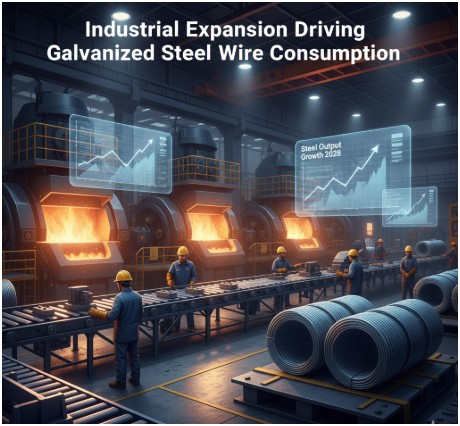
The growth of galvanized steel wire consumption is powered by more than just infrastructure—it’s about durability meeting demand. Construction projects across Asia-Pacific, especially in China and India, are using it in everything from bridges to power grids. 

Governments are pouring billions into roads and urban housing, and galvanized wire is holding much of it together—literally.

Then there’s the automotive industry. As electric vehicles take the spotlight, manufacturers need materials that can resist wear, shock, and corrosion. 

Galvanized steel wire fits the bill perfectly. It’s also a star in the agricultural world, where it keeps livestock fencing, greenhouses, and irrigation systems strong against harsh weather.

When you think about it, this one material quietly strengthens the backbone of modern life—construction, mobility, and food production—all while staying resistant to rust.

How Fast Is the Galvanized Steel Wire Market Growing?

How Fast Is the Galvanized Steel Wire Market Growing?

I found that estimates vary depending on who you ask, but the story is consistently optimistic. One source projects the global galvanized steel wire market to hit USD 14.1 billion by 2028, growing at a 4.0% to 5.1% CAGR. Another forecast covering the broader galvanized steel market predicts a whopping USD 51.2 billion size by the same year with a 5.34% CAGR.

To put it simply: while steel might sound like an “old” industry, its evolution keeps pace with the modern world. The rise of smart infrastructure, electric vehicles, and sustainable building materials gives galvanized wire a timeless yet forward-looking role.

Here’s a quick overview for context:

Forecast Range Market Size (2028) Estimated CAGR (2023–2028) Scope
USD 14.1 billion 4.0%–5.1% Galvanized Steel Wire Market
USD 51.2 billion 5.2%–5.34% Broader Galvanized Steel Market

That’s steady, reliable growth—something I like to call “industrial serenity.”

Why Is the Asia-Pacific Region Leading Galvanized Steel Wire Consumption?

Why Is the Asia-Pacific Region Leading Galvanized Steel Wire Consumption?

If you’ve ever visited a fast-developing city in Asia, you know how quickly skylines change. The Asia-Pacific region dominates galvanized steel wire consumption because it’s building faster than anywhere else. 

China, India, and Southeast Asia are undertaking massive construction and infrastructure projects—from high-speed rail to industrial parks—and all need corrosion-resistant materials.

Asia-Pacific’s manufacturing strength also plays a huge role. The region’s factories not only produce but consume galvanized wire for applications like automotive parts, electrical grids, and construction reinforcements.

Meanwhile, North America and Europe aren’t sitting idle. The U.S. is investing heavily in sustainable construction and EV manufacturing, while Europe emphasizes long-lasting, recyclable materials that align with environmental goals. 

But Asia-Pacific’s growth rate still leads the pack, setting the global tone for production and innovation.

What Are the Challenges in the Galvanized Steel Wire Consumption Market?

No market’s story is perfect. Even with its impressive growth, galvanized steel wire consumption faces a few snags—pun intended.

Price volatility tops the list. Since steel and zinc prices fluctuate with global supply and demand, manufacturers sometimes struggle to maintain stable profit margins. Add to that competition from synthetic fibers and hybrid ropes, which are lighter and occasionally stronger in specific industries like mining and lifting.

There’s also the matter of technical challenges. Producing galvanized steel wire requires precision to ensure uniform zinc coating and prevent hydrogen embrittlement. Companies are investing in research to enhance coating technology, sustainability, and recyclability.

Still, with innovation driving solutions, most industry players see these as opportunities rather than obstacles.

How Are Key Players Shaping the Future of Galvanized Steel Wire Consumption?

Whenever I explore industrial markets, I like to look at the big players steering the ship. In this case, the galvanized steel wire market has some major names making waves:

  • ArcelorMittal – A global steel giant leading in sustainable production methods.
  • Tata Steel – A powerhouse from India driving Asia-Pacific’s market presence.
  • Nucor – A U.S. brand known for innovation and eco-friendly steel production.
  • Bekaert – Specializes in steel wire transformation and coatings.
  • Kobe Steel and Sumitomo Metal Industries – Japanese leaders known for their precision engineering and technological advancement.

Together, these companies are modernizing the process with automation, greener production, and research into more durable, high-performance coatings. Their innovations are pushing galvanized steel wire consumption toward a smarter, cleaner future.

How to Understand Market Trends Like a Pro

If you’re like me and love decoding industrial growth, here’s a quick guide to understanding trends in galvanized steel wire consumption:

  1. Follow Infrastructure Investments: Big government projects signal demand spikes. If countries announce bridge or powerline expansions, wire consumption will rise.
  2. Track Automotive Shifts: The electric vehicle boom isn’t slowing down, and every EV plant adds to steel wire demand.
  3. Watch Raw Material Prices: Keep an eye on steel and zinc indexes—market volatility here impacts pricing downstream.
  4. Pay Attention to Regional Policies: Asia’s “build big” mindset and sustainability goals in Europe both shape how the market moves.

Understanding these levers helps predict how strong the next growth wave might be.

FAQs About Galvanized Steel Wire Consumption

Q1: Why is galvanized steel wire better than regular steel wire?

Because it resists corrosion. The zinc coating acts as a shield against rust, giving it a much longer lifespan—especially in outdoor or humid environments where standard steel would quickly degrade.

Q2: Which industries use galvanized steel wire the most?

Construction leads the way, followed by automotive, agriculture, and electrical infrastructure. From fencing to car frames and power grids, galvanized wire quietly supports nearly every modern sector.

Q3: What’s causing the increase in galvanized steel wire consumption?

Global infrastructure development and the demand for durable materials are key drivers. Rapid urbanization, EV production, and government investments in public works fuel steady growth.

Q4: Can galvanized steel wire be recycled?

Absolutely. Steel is one of the most recyclable materials on Earth, and the zinc coating can be recovered as well. This sustainability factor makes it a favorite for eco-conscious industries.

Steel Yourself for the Future

So, what did I learn after diving into galvanized steel wire consumption? That even the most overlooked materials can hold fascinating stories of innovation, resilience, and growth. 

Behind every bridge, every EV frame, and every sturdy fence lies a bit of zinc-coated brilliance quietly doing its job.

If you ever catch yourself thinking construction materials are boring, think again. This market is alive, evolving, and—if trends hold steady—heading toward a multi-billion-dollar future. 

My tip? Keep an eye on the Asia-Pacific region. That’s where the next big leap in industrial design, technology, and galvanized steel demand is already unfolding.

Jenna Clarke

Jenna explores how technology transforms business, productivity, and modern living. With a passion for digital transformation and innovation, she covers everything from AI tools to emerging trends. Her work empowers professionals to adopt forward-thinking strategies and thrive in the digital economy.

More From Author

growth of EEA prepaid card market

Massive Growth of EEA Prepaid Card Market by 2027

accounts payable or accounts receivable software market

Why I’m Obsessed with the Accounts Payable or Accounts Receivable Software Market

The Rise of the Five Star Hotel Market: My Take on the Luxury Boom

A few years ago, I checked into a five-star hotel in Singapore after a grueling 16-hour flight. The moment I sank into that oversized bed and the staff brought up my favorite green tea without asking, I realized something: people aren’t just booking rooms anymore—they’re booking feelings. That’s when I started paying attention to the five star hotel market, and wow, it’s been one wild ride ever since.

Luxury hotels are no longer just about marble floors and champagne breakfasts. They’ve become experiences that blend technology, sustainability, and exclusivity—all wrapped in a bow of personalized service. And judging by the market numbers, it seems everyone wants a piece of that comfort.

How Big Is the Five Star Hotel Market Right Now?

How Big Is the Five Star Hotel Market Right Now?

If you thought luxury hospitality was slowing down, think again. The five star hotel market currently stands at a jaw-dropping $154.32 billion in 2024, and projections show it soaring to $369.36 billion by 2032. That’s an impressive 11.5% CAGR—a growth rate most industries would envy.

I see this boom every time I travel. Whether it’s a boutique resort in Bali or a modern skyscraper in Dubai, the luxury scene feels unstoppable. Behind the scenes, that growth comes from global economic expansion, urbanization, and our collective love for tailored experiences.

Let’s face it: when you book a stay, you want more than a room—you want a story. And the big hotel players know that all too well.

Which Brands Are Ruling the Five Star Hotel Market?

When I think luxury hotels, one name always pops up first—Marriott International. It’s not just a giant in the industry; it’s the giant. With powerhouses like The Ritz-Carlton and St. Regis under its belt (plus the integration of Starwood Hotels & Resorts), Marriott has cemented itself as the leader in the five star hotel market.

To put it in perspective, Marriott’s Q3 2025 revenue hit $6.49 billion, and much of that came from its luxury portfolio. That’s not luck—it’s strategy. By combining premium comfort with brand heritage, Marriott keeps customers loyal and investors impressed.

But Hilton isn’t far behind. Its blend of sophistication and innovation makes it a close contender. While Marriott focuses on timeless elegance, Hilton often leans into contemporary style and global accessibility.

Here’s a quick snapshot of how these top contenders stack up:

Brand Strength 2025 Highlights
Marriott International Largest global presence with The Ritz-Carlton and St. Regis $6.49B Q3 revenue driven by luxury
Hilton Expanding luxury and lifestyle divisions Rapid portfolio growth in Asia-Pacific
Starwood Hotels (Marriott-owned) Iconic legacy brands like W Hotels and Westin Strong integration boosts Marriott share

What’s Fueling the Growth of the Five Star Hotel Market?

What’s Fueling the Growth of the Five Star Hotel Market?

Every time I step into a luxury hotel lobby, I can feel the factors driving this surge. And no, it’s not just the scent of lemongrass candles.

First, economic growth plays a massive role. As disposable incomes rise worldwide, more people can afford luxury travel. This democratization of high-end experiences has created a wider customer base.

Second, travel trends have evolved. People now chase unique stays over cookie-cutter vacations. From floating villas in the Maldives to rooftop suites overlooking Manhattan, travelers crave personalization—and five-star brands deliver that perfectly.

Third, technology ties it all together. Smart room controls, mobile concierge apps, and AI-driven personalization enhance guest experiences while streamlining operations. Add to that the convenience of instant online bookings and virtual property tours, and you’ve got a recipe for unstoppable demand.

How Do Hotels Stay Competitive in the Five Star Hotel Market?

How Do Hotels Stay Competitive in the Five Star Hotel Market?

Running a five-star property isn’t just about chandeliers and Michelin-starred dining anymore. It’s about keeping pace with a world that never stops moving.

I’ve noticed that hotels that thrive in the five star hotel market often focus on three pillars: innovation, connection, and experience.

  1. Innovation: The most successful luxury hotels constantly reinvent their spaces and services. Think AI-powered check-ins, eco-friendly architecture, and wellness-focused amenities like sleep pods or infrared saunas.
  2. Connection: It’s not just about Wi-Fi. Modern travelers value cultural and emotional connection. Luxury chains now weave local art, cuisine, and traditions into their brand experience.
  3. Experience: The new luxury isn’t loud—it’s thoughtful. Guests don’t just want to stay; they want to feel seen. From remembering your pillow preference to curating a scent for your suite, details make the difference.

How Can You Choose the Right Five Star Hotel for Your Next Trip?

If you’re like me, your definition of “perfect luxury” changes with each destination. Still, a few rules always help me choose wisely in this sprawling five star hotel market.

  • Know your vibe. Are you craving peace and privacy or a vibrant city scene? Your mood defines your match.
  • Check authenticity. Look for consistency in service quality and verified guest experiences—not just influencer posts.
  • Compare perks. Sometimes smaller brands offer more personalized attention than global giants.

I once stayed at a lesser-known eco-luxury resort in Costa Rica that outshone some of the biggest names. The owner greeted guests personally every morning—a reminder that true luxury lies in connection, not just grandeur.

FAQs About the Five Star Hotel Market

Q1: What defines a five-star hotel?

A five-star hotel offers exceptional comfort, superior service, and exclusive amenities. Think spacious rooms, 24-hour concierge, high-end dining, and attention to every detail—from thread count to turn-down chocolates.

Q2: Why is the five star hotel market growing so fast?

Rising incomes, improved global connectivity, and a shift toward experiential travel have fueled demand. People want quality stays that match their lifestyle aspirations.

Q3: Which region dominates the five star hotel market?

Asia-Pacific is leading the expansion, especially in China, India, and Southeast Asia. Rapid urbanization, tourism development, and strong investment in infrastructure make it a hotspot for luxury growth.

Q4: How do technology and sustainability affect the market?

Guests expect both. Hotels now integrate smart room systems, digital check-ins, and sustainable designs—proving that innovation and responsibility can coexist beautifully.

Luxury Never Sleeps—And Neither Does Opportunity

The five star hotel market reminds me of why travel never loses its magic. Behind every lobby chandelier lies an evolving world of innovation, culture, and ambition. The next decade will belong to brands that blend heart with high-tech—those that make guests feel valued, not just served.

So, next time you check into a luxury suite, pause and appreciate the ecosystem that makes that experience possible. Because luxury isn’t just about where you sleep—it’s about how you feel waking up there.

Jenna Clarke

Jenna explores how technology transforms business, productivity, and modern living. With a passion for digital transformation and innovation, she covers everything from AI tools to emerging trends. Her work empowers professionals to adopt forward-thinking strategies and thrive in the digital economy.

More From Author

tablet computer lens market

Inside the Global Tablet Computer Lens Market: My Take on a Surprisingly Competitive Industry

Is Danita Tutt Still in Jail

Is Danita Tutt Still in Jail? Here’s Everything You Should Know

Inside the Global Tablet Computer Lens Market: My Take on a Surprisingly Competitive Industry

I never thought I’d geek out about tablet lenses, but here we are. During one of my late-night tech rabbit holes (you know the kind where you start by checking a tablet review and end up reading about optical glass quality), I stumbled upon how intense the tablet computer lens market actually is.

It’s not just about tiny pieces of glass—it’s a full-on global rivalry involving billion-dollar companies, cutting-edge precision engineering, and the race to make every pixel on your tablet camera sharper than ever. And believe me, 2021 was a year that truly tested who could adapt fastest.

What Makes the Tablet Computer Lens Market So Interesting?

What Makes the Tablet Computer Lens Market So Interesting?

When most people think of tech competition, they picture Apple vs. Samsung or Intel vs. AMD. But behind every sleek iPad or Android tablet is an optical lens designed by companies you’ve probably never heard of—like Largan Precision, Sunny Optical Technology, and Genius Electronic Optical (GSEO).

In 2021, the tablet computer lens market was valued as part of a $4.6 billion global optical lens industry. The growth was driven by one simple fact: the pandemic had us glued to screens. Whether it was Zoom classes, Netflix binges, or remote work, tablets became our companions. And when you spend that much time staring at a screen, camera quality suddenly matters—a lot.

What fascinated me most was how concentrated the market was. Just a handful of players controlled a massive chunk of it. This wasn’t a playground for small startups—it was an arena for giants with heavy investments in R&D and manufacturing precision.

Who Dominated the Tablet Computer Lens Market ?

Who Dominated the Tablet Computer Lens Market ?

Here’s where things get interesting. The tablet computer lens market looked like a battle between innovation and scalability. Five names stood out—and each had its own strategy.

Company Country Focus Area  Highlights
Largan Precision Co., Ltd Taiwan High-end optical modules Announced new high-resolution tablet lenses and earned ~$1.68 billion in revenue (all optical products).
Sunny Optical Technology Group China Imaging systems and camera modules Expanded manufacturing facilities to ramp up lens production and rival Largan.
Genius Electronic Optical (GSEO) Taiwan Smartphone and tablet lenses Maintained a strong market presence with diverse optical components.
AAC Technologies Holdings Inc. China Acoustic and optical components Continued diversifying into imaging and computer lenses.
Asia Optical Co., Inc. Taiwan Consumer electronics lenses Focused on versatile optical component design across devices.

I love how each company carved its niche. Largan went for high resolution. Sunny doubled down on production. GSEO took a balanced approach between design and functionality. And AAC and Asia Optical rounded things out with their diversified expertise.

Together, these companies formed the backbone of the world’s tablet camera industry—supplying lenses to Apple, Samsung, Huawei, and other global manufacturers.

Why Did the Tablet Computer Lens Market Grow So Fast?

Why Did the Tablet Computer Lens Market Grow So Fast?

If you think about it, it all comes down to how we use our tablets. During lockdowns, tablets became conference rooms, classrooms, and art studios. That spike in usage pushed manufacturers to enhance lens quality like never before.

Lenses weren’t just about taking cute selfies or scanning homework sheets—they became essential to communication and productivity. Higher resolution, better low-light performance, and improved autofocus turned from luxuries into necessities.

And of course, companies like Largan Precision and Sunny Optical raced to innovate. They knew that tablet manufacturers were desperate for better optics to meet new demands. Their investments in production facilities and design upgrades showed how competitive the tablet computer lens market really was.

How Do You Measure Success in the Tablet Computer Lens Market?

It’s not all about who makes the sharpest lens—it’s about who can consistently deliver at scale. Here’s how I like to think of it:

  1. Innovation: You need fresh tech, like multi-element lenses or advanced coatings, to handle today’s ultra-HD sensors.
  2. Production Capacity: You can’t win contracts if you can’t meet global demand. Sunny Optical nailed this with new manufacturing plants in 2026.
  3. Client Relationships: Largan’s strong ties with Apple gave it a powerful edge—proof that partnerships can be more valuable than patents.

So while market share numbers weren’t publicly available, the patterns were clear. Those with the right mix of innovation and reliability ruled the game.

How Can Companies Stay Competitive in the Tablet Computer Lens Market?

If I had to give advice to a newcomer dreaming of breaking into this space, I’d say: bring something revolutionary to the table. The tablet computer lens market rewards innovation and punishes complacency.

Here’s how I’d approach it:

  • Invest in R&D early. Optical technology evolves fast—staying ahead means constant experimentation.
  • Collaborate with device manufacturers. Knowing what Apple, Samsung, or Lenovo need before they even announce it can make or break your success.
  • Go green and smart. Sustainable materials and automated production processes are the future of this precision-heavy industry.

The market’s barriers to entry are high, but so are the rewards for those who can stand out.

FAQs About the Tablet Computer Lens Market

1. Who are the top players in the tablet computer lens market?

The leading players in 2021 were Largan Precision, Sunny Optical Technology, Genius Electronic Optical (GSEO), AAC Technologies, and Asia Optical. These companies collectively dominated lens supply for major tablet and smartphone manufacturers worldwide.

2. How big was the tablet computer lens market in 2021?

It was part of the broader $4.6 billion global optical lens market. The tablet segment itself grew steadily, fueled by higher tablet adoption during the pandemic and the need for sharper front and rear cameras.

3. Why did the tablet computer lens market expand during the pandemic?

Remote work, online learning, and digital entertainment increased global tablet usage. As people relied more on tablets for daily tasks, the demand for improved camera quality skyrocketed.

4. What makes the tablet computer lens market so competitive?

Precision engineering, constant innovation, and long-term supplier contracts make it a high-stakes field. Even slight advantages in clarity or production yield can shift billions in business.

Shining a Lens on the Future

If there’s one thing I learned from diving into the tablet computer lens market, it’s that innovation thrives where precision meets creativity. Every company in this space isn’t just producing lenses—they’re shaping how we see the world through our screens.

And honestly, next time I snap a picture on my tablet, I’ll probably think of the engineers behind it—the people balancing physics, art, and technology just to make my virtual meeting look a little clearer.

That’s the beauty of tech we often overlook: sometimes, the smallest components tell the biggest stories.

Jenna Clarke

Jenna explores how technology transforms business, productivity, and modern living. With a passion for digital transformation and innovation, she covers everything from AI tools to emerging trends. Her work empowers professionals to adopt forward-thinking strategies and thrive in the digital economy.

More From Author

covid 19 pandemic affected sales of dredging equipment

How the COVID 19 Pandemic Affected Sales of Dredging Equipment: My Take on a Shaken Industry

five star hotel market

The Rise of the Five Star Hotel Market: My Take on the Luxury Boom

How the COVID 19 Pandemic Affected Sales of Dredging Equipment: My Take on a Shaken Industry

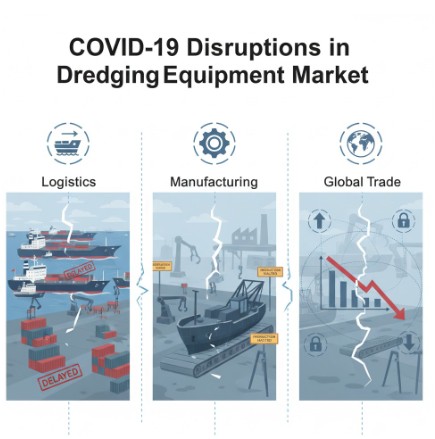
I still remember the eerie quiet of the ports back in 2020. I used to visit one of our local harbors regularly for a project, and the silence there was surreal — no roaring engines, no cargo being hauled, no dredging boats in motion. That’s when it hit me just how deeply the covid 19 pandemic affected sales of dredging equipment and disrupted an industry that usually runs nonstop.

What was once a sector driven by global trade, coastal development, and offshore energy suddenly came to a standstill. Let’s unpack how it all unfolded — and how the industry managed to dig itself out (pun intended).

Why Did Dredging Equipment Sales Drop So Suddenly During the Pandemic?

Why Did Dredging Equipment Sales Drop So Suddenly During the Pandemic?

When the pandemic first hit, it felt like someone pulled the plug on every moving part of the maritime world. Lockdowns froze international logistics, and dredging manufacturers couldn’t get essential raw materials or components.
Production lines went silent. Deliveries stalled. Even simple spare-part shipments got stuck mid-transit.

Without materials, manufacturers couldn’t build new machines, and without machines, ports couldn’t proceed with planned expansions or maintenance. It was a domino effect that crippled equipment suppliers worldwide.

And that’s just the start. Dredging companies also struggled to operate under strict health regulations. Workers couldn’t board vessels, surveys were delayed, and essential maintenance — including dry-docking and repairs — was postponed indefinitely. Many fleets sat idle, gathering rust instead of contracts.

How Did the Global Trade Slowdown Deepen the Crisis?

How Did the Global Trade Slowdown Deepen the Crisis?

One of the biggest reasons the covid 19 pandemic affected sales of dredging equipment was the collapse in trade and marine activity.

Ships weren’t moving, exports dropped, and oil and gas exploration slowed dramatically. The mining sector also went into survival mode. With fewer vessels entering ports, the demand for dredging services — and by extension, dredging machinery — fell off a cliff.

Financially, things looked grim. Governments shifted priorities to health emergencies, and investors froze capital meant for port upgrades or coastal protection. I remember hearing from colleagues that even large contracts were shelved indefinitely. For many port authorities, new dredgers were simply not in the budget.

Were There Any Silver Linings Amid the Chaos?

Were There Any Silver Linings Amid the Chaos?

Surprisingly, yes — though they were small pockets of relief.

With fewer vessels at sea and ports operating below capacity, some areas took the opportunity to perform maintenance dredging on channels, berths, and harbor basins. These projects, although limited in scope, allowed certain local dredging companies to stay afloat when new project work disappeared.

This phase also forced companies to rethink efficiency. Many began exploring automation, digital monitoring, and remote operation tools to minimize manpower risks. The crisis turned into a lesson in resilience — one that reshaped the industry’s mindset for good.

How Did the Industry Recover After the Pandemic?

The recovery didn’t happen overnight. But once vaccines rolled out and restrictions eased, the world began to move again — literally. Ports reopened, trade routes revived, and investment started flowing back into maritime infrastructure.

According to industry data, the dredging market’s turnover (excluding closed regions) grew by nearly 10% in 2021 compared to 2020. That was the first big sign of life after months of uncertainty.

Projects for land reclamation, coastal defense, and port expansion — especially in Asia-Pacific regions like China and India — roared back into action. Demand for dredgers, pumps, and excavators surged again as economies restarted and governments doubled down on long-term maritime projects.

What Lasting Changes Did the Pandemic Bring to Dredging Operations?

If you ask me, one of the biggest transformations is technological. The pandemic accelerated the digital shift that was already creeping in.

Now, companies rely heavily on automation and real-time data systems. Remote monitoring has become standard for dredging fleets, allowing engineers to assess performance without being on-site. This not only saves time but also reduces exposure to labor shortages.

Another long-term shift lies in supply chain resilience. Many firms learned the hard way that over-dependence on a single supplier or region can paralyze operations. Since 2021, there’s been a clear move toward diversification — sourcing components locally or from multiple regions to mitigate risk.

The industry also became more proactive about sustainability, integrating electric and hybrid dredgers into fleets to cut emissions while meeting stricter environmental standards.

How Can Dredging Companies Prepare for Future Global Shocks?

The pandemic taught us that flexibility isn’t optional — it’s survival.

If I were to outline a few steps every dredging company should consider, they’d include:

  1. Build Redundant Supply Chains – Partner with multiple suppliers and maintain local inventory buffers.
  2. Invest in Automation – Remote-controlled systems, autonomous dredgers, and predictive maintenance tools can reduce human dependency.
  3. Diversify Services – Balance between capital dredging, maintenance, and environmental restoration projects.
  4. Plan Financially for Emergencies – Maintain liquidity to weather delays or budget cuts during global crises.

Those who adapted fast after 2020 not only survived but are now thriving as the maritime sector bounces back.

FAQs About How the COVID 19 Pandemic Affected Sales of Dredging Equipment

1. What was the biggest challenge the dredging industry faced during COVID-19?

The most significant challenge was supply chain breakdown. Manufacturers couldn’t access components, and dredging firms couldn’t deploy manpower due to travel restrictions, which stalled both production and operations.

2. Did any sectors benefit from the slowdown?

Yes. Ports used the lull in global traffic to perform overdue maintenance dredging, ensuring smoother operations when trade resumed.

3. How did the pandemic change the technology used in dredging?

It fast-tracked digitalization and automation. Many companies now use sensors, remote-monitoring systems, and AI-based tools to operate efficiently with smaller teams.

4. What drives the market’s long-term recovery?

The rebound is fueled by rising maritime trade, urban land reclamation, coastal protection, and offshore renewable energy projects — all requiring consistent dredging work.

What’s the Future Outlook for the Dredging Equipment Market?

Today, the industry is stronger, smarter, and more self-reliant than it was before 2020. The covid 19 pandemic affected sales of dredging equipment severely in the short term, but it also triggered a technological awakening and strategic transformation that reshaped global operations.

From digital dashboards to eco-friendly dredgers, the sector is proving that resilience and innovation go hand in hand. The ports may have gone silent for a while — but now, they’re buzzing louder than ever.

Jenna Clarke

Jenna explores how technology transforms business, productivity, and modern living. With a passion for digital transformation and innovation, she covers everything from AI tools to emerging trends. Her work empowers professionals to adopt forward-thinking strategies and thrive in the digital economy.

More From Author

demand of self driving bus

The Growing Demand of Self Driving Bus: A Personal Ride Into the Future

tablet computer lens market

Inside the Global Tablet Computer Lens Market: My Take on a Surprisingly Competitive Industry