
Summer is the season of the open road. It is a time when families and friends pack their vehicles with luggage, snacks, and high expectations, setting off to explore distant national parks, coastal towns, or mountain retreats. However, the heat of the summer months combined with the strain of long-distance driving can be incredibly taxing on a vehicle.
Nothing ruins the spirit of an adventure faster than the sight of smoke billowing from under the hood or the jarring vibration of a flat tire on a remote highway. Proactive maintenance is not just a chore; it is an essential strategy for ensuring your vacation remains a memory of joy rather than a logistics nightmare.
The Heart of the Machine: Engine and Cooling Systems
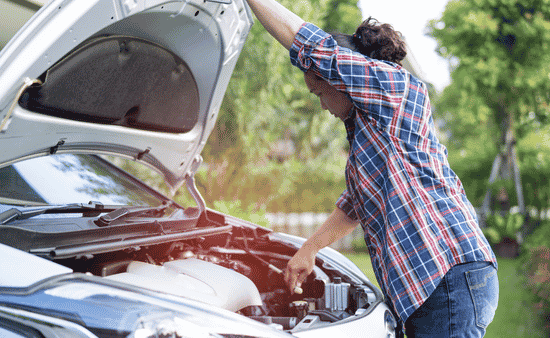
The engine is the most vulnerable component when temperatures begin to soar. During a summer road trip, your engine is working harder than usual, often carrying extra weight and operating for several hours at high speeds.
The cooling system is your primary defense against catastrophic engine failure. A proactive check should begin with the coolant levels. Over time, coolant can become acidic or lose its ability to effectively transfer heat. If the fluid looks rusty or contains debris, a system flush is necessary.
Beyond the fluid itself, the hardware that moves that fluid must be inspected. Rubber hoses can become brittle or develop soft spots due to the constant cycle of heating and cooling.
A hose that bursts under pressure will quickly lead to overheating, which can warp engine components and lead to thousands of dollars in repairs. Similarly, the drive belts should be checked for cracks or fraying. If a belt snaps, your alternator, water pump, and power steering could all fail simultaneously, leaving you stranded.
Tires: Your Only Connection to the Road
Tires are frequently overlooked until a problem arises, yet they are the only part of the vehicle that actually touches the pavement. High road temperatures increase the internal pressure of your tires.
If your tires are already underinflated, the sidewalls will flex excessively, creating even more heat. This combination is a leading cause of blowouts during summer months. Before heading out, check the tire pressure when the tires are cold to ensure they meet the manufacturer specifications.
Tread depth is equally important. While many associate good tread with winter driving, it is vital for summer rainstorms. Deep grooves allow water to be channeled away from the tire, maintaining contact with the road and preventing hydroplaning.
If your tread is wearing unevenly, it may be a sign that your vehicle needs an alignment or that the tires need to be rotated. Ensuring a balanced set of tires will also improve your fuel economy, saving you money at the pump throughout your journey.
Ensuring Reliable Stopping Power

When you are navigating unfamiliar mountain passes or dealing with heavy highway traffic, your stopping system must be in peak condition. The heat generated by friction during braking is already intense, and high ambient temperatures make it harder for the system to dissipate that heat. This can lead to brake fade, where the pedal feels spongy, and the vehicle takes longer to come to a complete stop.
A thorough inspection involves checking the thickness of the pads and the condition of the rotors. If you hear a high-pitched squeal or feel a pulsation when applying the pedal, it is time for professional attention.
For those traveling through specific regions, seeking a specialist for brakes in Salem Utah or similar local service hubs can ensure the system is handled by experts familiar with local terrain challenges. Additionally, the brake fluid should be checked for moisture contamination. Brake fluid is hygroscopic, meaning it absorbs water over time, which lowers its boiling point and reduces performance under heavy use.
Visibility and External Components
Visibility is a critical safety factor that many drivers take for granted. Summer sun can be blinding, but summer storms can be equally hazardous. If your windshield wipers leave streaks or chatter across the glass, they should be replaced immediately. The rubber on wiper blades can dry out and crack after months of exposure to UV rays, making them useless when a sudden downpour occurs.
Lighting is another area where proactive maintenance pays off. Check your headlights, high beams, turn signals, and brake lights. Having a bulb burn out in the middle of a night drive through a rural area is both a safety risk and a potential reason for a traffic citation.
Furthermore, ensure your windshield washer reservoir is topped off with a fluid designed to remove bugs and road grime, as standard water is often insufficient for the sticky residue encountered on long highway stretches.
Climate Control and Cabin Comfort
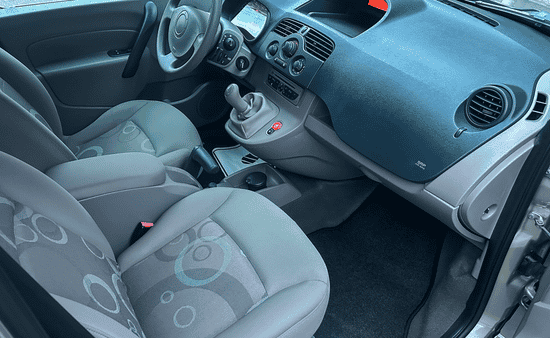
While the mechanical health of the car is paramount for reaching your destination, the interior environment is paramount for the sanity of the passengers. A failing air conditioning system can turn a pleasant drive into an exhausting endurance test. If the air coming from the vents is not as cold as it used to be, the system may have a small leak or require a refrigerant recharge.
The cabin air filter is another small component with a big impact. This filter prevents dust, pollen, and debris from entering the passenger compartment. A clogged filter restricts airflow to the vents, forcing the air conditioning system to work harder and reducing its efficiency. Replacing this filter is usually a simple task that significantly improves the air quality and comfort levels inside the vehicle.
The Essential Emergency Kit
Even with the most meticulous preparation, the unexpected can still happen. A well-stocked emergency kit is the final layer of your proactive maintenance plan. This kit should include items such as jumper cables, a flashlight with extra batteries, a basic tool kit, and a first-aid station. Because summer heat is a factor, carrying extra gallons of water and non-perishable snacks is vital in case you are stuck waiting for roadside assistance in high temperatures.
Verify that your spare tire is fully inflated and that you have a functioning jack and lug wrench. Many modern vehicles now come with inflation kits instead of spares, so familiarize yourself with how to use these tools before you are on the shoulder of a busy road. Finally, ensure your roadside assistance membership is active and that you have a physical copy of your insurance and registration.
By taking the time to address these various systems, you transform your vehicle from a potential liability into a reliable vessel for exploration. Proactive maintenance provides the peace of mind necessary to truly enjoy the scenery and the company, knowing that you have done everything possible to safeguard your summer vacation.