classaquitatui, vip touti, harem curitiba, acompanhantes tatui, classeaquitatui, acompanhantes boituva, classitatui, acompanhante tatui, classiaqui, acompanhante votorantim, touti, classiaqui tatui, acompanhante tatuí, acompanhantes em itapetininga, photo acompanhante itapetininga, harem 69, harem69, acompanhante cerquilho, photoac9mp, acompanhantes votorantim, acompanhantes tatuí, photoacompanhante americana, acompanhantes em tatui, acompanhante programa, garota de programa tatui, acompanhantes em boituva, photoacomp americana, acompanhante em boituva, acompanhantes de itapetininga, acompanhante em tatuí, sara e eloá, trepada gostosa, menina de programa, acompanhantes em tatuí, photo acompanhante tatui, acompanhantes cerquilho, classiaquitatui, acompanhante em tatui, garota de programa boituva, garota de programa de tatuí, classiaqui itapetininga, acompanhantes trans americana, acompanhantes em cerquilho, foto acompanhante itapetininga, acompanhante de luxo itapetininga, photoacompanhante tatui, akemi pelada, garota de programa tatuí, classiaqui tatuí, garota de programa em itapetininga, acompanhantes de tatui, sexo tatui, brenda porno, harem 69 sorocaba, acompanhante de tatui, photoqcompanhantes, putas tatui, garotas de programa tatui, acompanhante em cerquilho, photoacompanhantes itapetininga, acompanhantes porto feliz, foto de buceta fake, photoacompanhante boituva, acompanhante de tatuí, acompanhantes em porto feliz, putas em tatui, garota de programa de tatui, brenda campos nua, foto de buceta de mulher, massagem erotica sorocaba, classi aqui tatui, photo acompanhante boituva, photo acompanhantes itapetininga, garota de programa de porto feliz, photoacompanhantes tatui, garota de programa em cerquilho, acompanhantes de boituva, haren curitiba, acompanhante tiete, dani lopes nua, garota com local tatui, garota de programa votorantim, garota de programa em tatuí, acompanhante de luxo tatui, haren69, garota de programa em tatui, acomp tatui, transex itapetininga, garota de programa cerquilho, modelo julinha pelada, acompanhante tietê, classi aqui tatuí, garotas de programa boituva, garota com local itapetininga, putas de itapetininga, mineirinha nua, acompanhante serena, garotas de programa de tatui, acompanhanates tatui, acompanhante trans tatui, acompanhantes de primavera, fatui, acompanhantetatui, putas de tatui, acompanhantes de tatuí, acompanhantes trans tatui, classiaqui votorantim, travesti sorocaba classiaqui, tatu na bunda, sexo itapetininga, acompanhanate tatui, harem acompanhantes, photo acompanhante jp, garotacomlocal.com, mulher gato sex, garotas de programa em tatuí, garota de programa em votorantim, mulher de programa itapetininga, punheta guiasa, classiaqui boituva, putas em boituva, tagui, putas boituva, garotas com local tatui, garoto de programa tatui, garotas de programa votorantim, garotas de programa em votorantim, sexo casual em sorocaba, acompanhante de luxo em itapetininga, aconpanhantes itapetininga, putas votorantim, acompanhantes de votorantim, garota programa cerquilho, foto de buceta gostosa, acompanhantes itapetininga sp, acompanhantes laranjal paulista, acompanhantes em tiete, garota de programa de votorantim, garotas de programa em pinda, app de acompanhantes, garota de programa de cerquilho, 69 de ladinho, mulher de programa de itapetininga, putas em tatuí, acompanhante tatuada, harém 69, classeaquisorocaba, foto de bct rosa, garota com local tatuí, tati dias nua, acompanhantes de luxo tatui, classeaqui, classi aqui sorocaba, yasmin mayla, acompanhante laranjal paulista, putas em votorantim, sexo em tatui, garotas de programa de tatuí, fatalmodel itapetininga, photo acompanhantes jp, buceta rosa foto, acompanhante de luxo em tatuí, garotas c local, garotas de programa tatuí, harem acompanhante, photoacomoantes, classeaqui sorocaba, photo acompanhante votorantim, garota programa boituva, fotos fake de buceta, garota de programa videos, garota de programa em tietê, acompanhante fisting, acompanhante de luxo de tatuí, acompanhantes jp trans, bucetas casadas, acompanhantes casual, acompanhante de luxo tatuí, fazendo 69 gostoso, leticia gabriela nua, garota programa tatui, acompanhantes adulto, haren 69 sorocaba, porno taldaloira, acompanhante classiaqui, foto acompanhante tatui, aconpanhante tatui, photo acompanhantes tatui, acompanhante cesario lange, classaqui tatui, aconpanhantes tatui, mulher de programa de tatuí, acomoanhantes tatui, sexo tatuí, foto acompanhante tatuí, photo acompanhante tatuí, classi adulto tatui acompanhantes, acompanhamtes tatui, acompanhantes trans tatuí, putas de tatuí, acompanhante tatui trans, acompanhantes cesario lange, photoacompanhante cerquilho, photoacomp tatui, acompanhanates tatui, acompanhantes tatui trans, acompanhante cesário lange, tatui acompanhantes, gp em tatui, acompanhantes tatui sp, puta de luxo tatui, acompanhantes tarui, acompanhante luxo tatui, acompanhantes harem, acompanhantes trans em tatui, acompanhantes de luxo cerquilho, photo acompanhantes tatuí, acompanhante tarui, mulheres de programa de tatuí, classiaq tatui, acomoanhante tatui, acompanhamte tatui, acompanhantes cesário lange, acompanhantes de luxo tatuí, acompanhanates de tatui, acompanhantes de luxo em tatuí, mulheres de programa de tatui, acompanhanate tatuí, photoacompanhantes tatuí, mulheres de programa tatui, acompanhantes em tatui sp, sexo em tatuí, acompantes tatui, garota de progama tatui, photoacompanhantestatui, aconpanhantes de tatui, acompanhantes ta, acompnhantes tatui, acompanhante.tatui, gp em tatuí, classeaqui tatui, acompahantes tatui, transex tatui classi, garotas de luxo tatui, garota de programa tatui class aqui+18, garotas de tatuí, garotas em tatui, garotas em tatuí, garota de programa tatui classi, garota de programa tatui class aqui, tatui photoacompanhantes, acompanhante tatui agora, acoponhate garota de programa de tatuí, gp classiaqui tatuí, garotas de tatui, ruiva acompanhante tatui, aconpanhantes em tatuí, classiaqui de tatui, garotas gp tatui, astigmatismo, gerarboletimunificadoexterno, astigmatismo o que é, estigmatismo, o que é astigmatismo, miopia e astigmatismo, photoackmpa, arquidimatismo, larcrm7, sintomas de astigmatismo, o'que é astigmatismo, astigmatismo sintomas, astigmatismo visao, visão de quem tem astigmatismo, hipermetropia e astigmatismo, visão astigmatismo, aquidimatismo, astigmatismo tem cura, miopia e astigmatismo juntos, o que é astigmatismo na visão, astenopia, estigmatismo significado, o que é estigmatismo, visão com astigmatismo, como uma pessoa com astigmatismo enxerga, visão de astigmatismo, o que astigmatismo, astigmatism, miopia astigmatismo, o que e astigmatismo, astigmatismo como enxerga, astigmatismo pode cegar, tratamentos para astigmatismo, teste de astigmatismo, como enxerga uma pessoa com astigmatismo, oq e astigmatismo, miopia e astigmatismo tem cura, o que significa astigmatismo, quem nao enxerga de perto tem oq, graus de astigmatismo, astigmatismo: como enxerga, astigmatismo significado, lente astigmatismo, astigmatismo olho torto, visão astigmatismo miopia, astigmatismo luz, miopia astigmatismo e hipermetropia, estigmatismo ou astigmatismo, oq é astigmatismo, astigmatismo e miopia juntos, astigmatismo é perto ou longe, astigmatismo causas, olho com astigmatismo, teste astigmatismo, visão de quem tem miopia e astigmatismo, visão de uma pessoa com astigmatismo, astigmatismo irregular, astigmatismo o que causa, o'que e astigmatismo, astigmatismo e miopia diferença, astigmatismo visão, o que causa astigmatismo, sintomas astigmatismo, hipermetropia e astigmatismo juntos, o que é astigmatismo no olho, astigmatismo miopia e hipermetropia, como saber se tenho astigmatismo, visao astigmatismo, quem nao enxerga de longe tem oq, astigmatismo é longe ou perto, astigmatismo é miopia, o que é astigmatismo e miopia, astigmatismo lente, como pessoas com astigmatismo enxergam, astigmatismo longe ou perto, eixo do olho, oculos astigmatismo, astigmatismo tratamento, o que é hipermetropia e astigmatismo, óculos para astigmatismo, sintomas do astigmatismo, miopia e astigmatismo juntos pode cegar, astigmatismo alto, astigmatismo ou estigmatismo, astiguimatismo, astigmatismo é para perto ou longe, visão de quem tem astigmatismo e miopia, tipos de astigmatismo, estigmatismo o que significa, quem tem astigmatismo pode usar lente, visão do astigmatismo, astigmatismo perto ou longe, astigmatismo no olho, miopia ou astigmatismo, o que é astigmatismo nos olhos, como enxerga quem tem astigmatismo, astigmatismo a noite, astigmatismo e hipermetropia juntos, eixo astigmatismo, visao de astigmatismo, visao astigmatismo a noite, como enxerga uma pessoa com astigmatismo e miopia, astigmatismo olho, estigmatismo o que é, stigmatismo, visao de uma pessoa com miopia e astigmatismo, astigmatismo luz a noite, visao de quem tem astigmatismo, astigmatismo eixo 180, eixo no exame de vista, oque é astigmatismo, eixo exame de vista, problema de vista astigmatismo, o'que significa eixo no exame de vista, o'que astigmatismo, astigmatismo o'que é, visão com miopia e astigmatismo, miopia com astigmatismo, astigmatismo é grave, astigmatismo oculos, 1 grau de astigmatismo é muito, anisometropia tem cura, visao com astigmatismo, problema de visão astigmatismo, o que causa o astigmatismo, o que significa astigmatismo no olho, óculos com eixo errado sintomas, astigmatismo regular, o'que significa astigmatismo, astigmatismo é para longe ou perto, causas do astigmatismo, astigmatismo pode diminuir, pessoa com astigmatismo, sigmatismo no olho, olho astigmatismo, astigmata, o que é astigmatismo?, astigmatismo como se ve, o que é astigmatismo ocular, astigmatismo ocular, imagem astigmatismo, quem tem astigmatismo, oque e astigmatismo, o que o astigmatismo causa, o que é astigmatismo na vista, pessoas com astigmatismo, vista com astigmatismo, imagem de astigmatismo, astigmatismo miópico, problema no olho astigmatismo, o'que causa astigmatismo, problemas de visão astigmatismo, astigmatismo imagem, astigmatismo nos olhos, como tratar astigmatismo, astigmatismo é de longe ou perto, astigmatismo o que e, esquematismo no olho, o que significa estigmatismo, astigma, significado de astigmatismo, o que estigmatismo, astigmatismo é doença, o que e astigmatismo e miopia, como funciona o astigmatismo, o astigmatismo, astigmatismo olhos, que es astigmatismo, tratamento para astigmatismo, como diminuir o astigmatismo naturalmente, olho de quem tem astigmatismo, o que e estigmatismo, astigmatismo deixa vesgo, como corrigir astigmatismo, astigmatismo como é, o'que é astigmatismo no olho, astigmatismo como tratar, astigmatismo foto, astigmatismo que es, como melhorar o astigmatismo, visao do astigmatismo, astigmatismo obliquo, astigmat, olhos com astigmatismo, como se escreve astigmatismo, astigmatismo infantil tem cura, estigmatismo tem cura, como curar astigmatismo, como é astigmatismo, astigmatismo e estigmatismo, o'que é astigmatismo resumo, astigmatismo vista, o que astigmatismo causa, o que significa astigmatismo nos olhos, astigmatismos, astigmatismo hipermetrópico, google o que é astigmatismo, causa do astigmatismo, oq é estigmatismo, definição de astigmatismo, o que é estigmatismo no olho, astigmatismo imagens, estigmatismo e astigmatismo, astigmatismo é uma doença, astigmatismo é, como corrigir o astigmatismo, que é astigmatismo, astigmatismo regular assimétrico, astigmatismo oq e, esquematismo nos olhos, como diminuir o astigmatismo, astigmatismo correção, o que quer dizer astigmatismo, astigmatismo miopico, oq e estigmatismo, astigmatismo o que significa, o'que causa o astigmatismo, o'que astigmatismo ocular, doença no olho astigmatismo, o que é astigmatismo irregular, como melhorar o astigmatismo naturalmente, oque é estigmatismo, astigmatismo forte, astigmatismo assimétrico, como melhorar astigmatismo, correção de astigmatismo, definição de astigmatismo, astigmatismo como corrigir, como curar o astigmatismo, imagens de astigmatismo, visao com astigmatismo e visao normal, e astigmatismo, astigmatismo de longe, magmatismo no olho, estigmatismo visão, o que causa astigmatismo nos olhos, sintomas de astigmatismo alto, imagens astigmatismo, astigmatismo o'que causa, doença do olho astigmatismo, estimativo no olho, olhos astigmatismo, astigmatismo doi o olho, pessoa que tem astigmatismo, correção astigmatismo, astigmatismo infantil regride, colírio para astigmatismo, o.que é astigmatismo, magnetismo no olho, astigmatismo irregular assimétrico, doença astigmatismo, astigmatismo aumenta com a idade, astigmatismo tem cura natural, doença dos olhos astigmatismo, como tratar o astigmatismo, como diminuir o grau de astigmatismo, qual a causa do astigmatismo, doenças dos olhos astigmatismo, astigmatismo fotos, causas astigmatismo, astigmatismo oblíquo, astigmático, como curar astigmatismo naturalmente, astigmatismo características, astigmatismo fisica, astigmatismo alto sintomas, doenças do olho astigmatismo, astigmatismo longe, astigmatismo o que é?, astigmatismo o que é isso, o que que é estigmatismo, astigmatismo hipermetrópico composto, cura astigmatismo, astigmatismo resumo, astigmatismo hipermetropico, características do astigmatismo, astigmatismo oque e, correção do astigmatismo, o que significa astigmatismo na visão, astigmatismo o que, melhor colírio para astigmatismo, qual o tratamento para astigmatismo, como ocorre o astigmatismo, astigmatismo desenho, visao com astigmatismo e sem, tudo sobre astigmatismo, matismo significado, a correção para o astigmatismo pode ser feita por, estigmatismo ou astigmatismo significado, esquematismo ocular, sigmatismo nos olhos, causas de astigmatismo, sigmatismo olhos, visão de um astigmata, quem tem astigmatismo é, o que é artigo matismo, local de projeção da imagem do olho com astigmatismo, o que é astigmat, astigmatismo na infância tem cura, visao do astigmata, estigmatismo é grave, roda do astigmatismo, olho com astigmatismo local de projeção da imagem, astigmatismo diminui com a idade

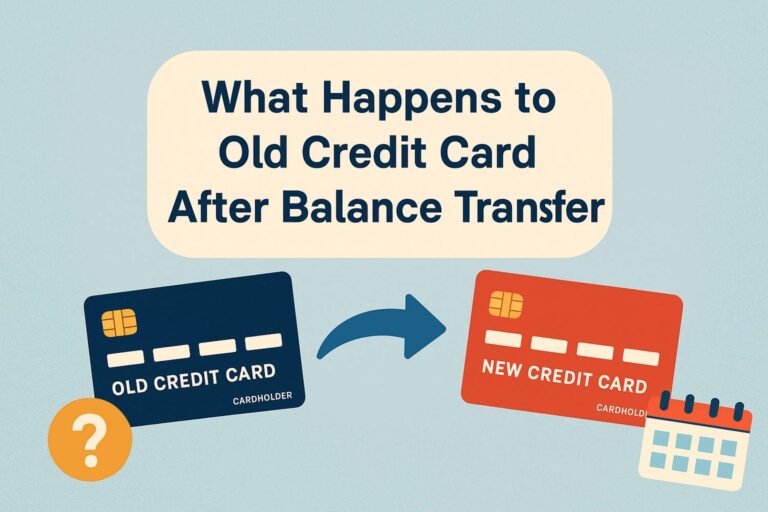
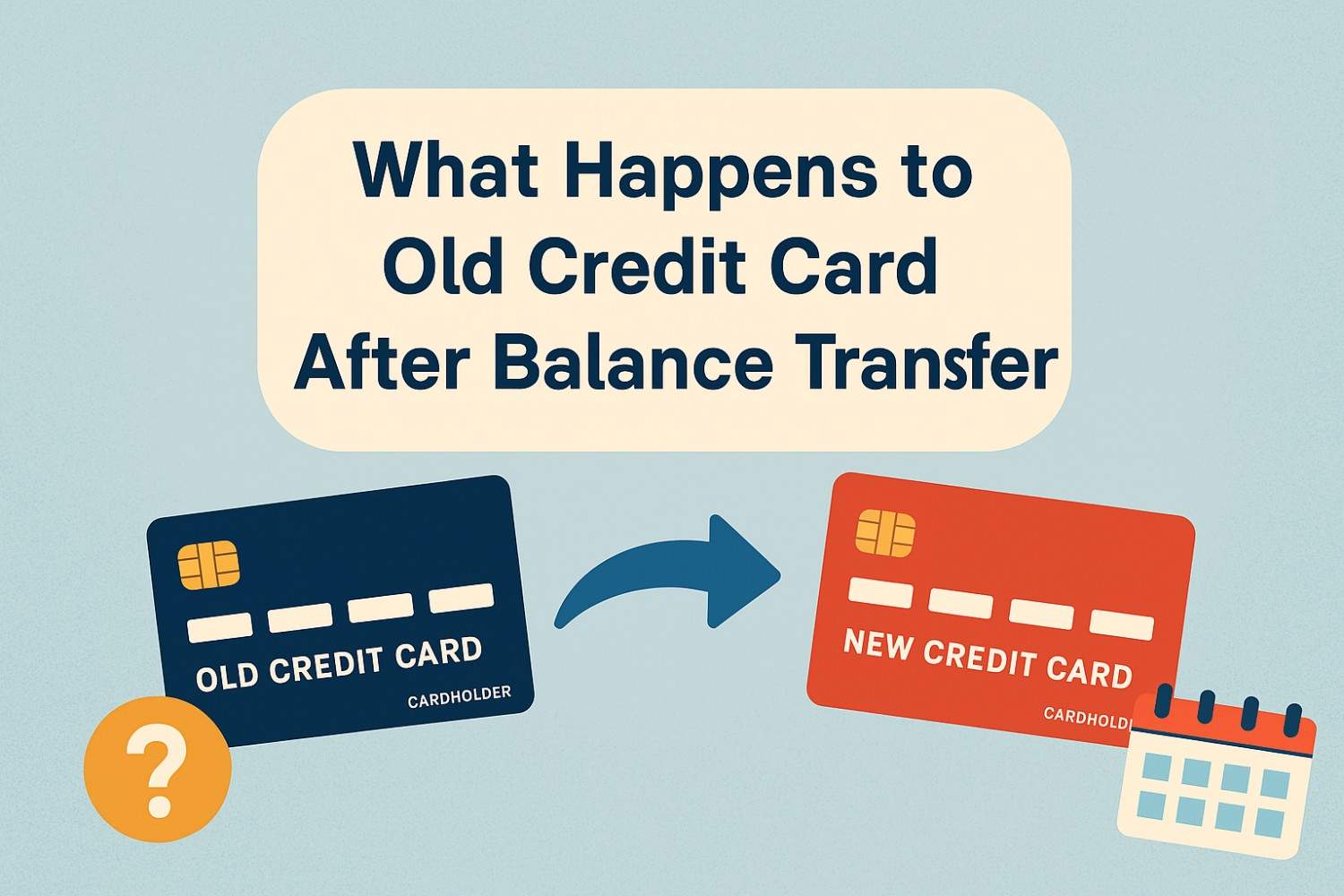
What Happens to Old Credit Card After Balance Transfer?

If you’ve ever wondered what happens to old credit card after balance transfer, you’re not alone. When I first transferred a balance to take advantage of a 0% intro APR offer, I assumed the old card would automatically close itself. Spoiler: it didn’t. The account stayed open—with a $0 balance—and a few weeks later, a tiny “interest adjustment” appeared on my next statement. That experience taught me that a balance transfer doesn’t wipe the slate clean—it simply moves your debt.

Understanding what actually happens to your old credit card after a balance transfer is important because it can affect your credit score, account history, and even your financial organization. Below, we’ll break down exactly what goes on behind the scenes, what you should (and shouldn’t) do afterward, and how to protect your credit from small but costly mistakes.

What actually happens to the old card right after the transfer?

When the issuer moves your balance to the new promo-APR card, your new card becomes the one you pay. Your old card’s balance drops by the transfer amount; if anything remains (fees, new purchases, or interest), it continues to accrue interest on the old card until paid off. The old account does not close automatically.

What actually happens to the old card right after the transfer

Watch for “residual” (trailing) interest

Even when the statement shows $0, daily interest can accrue between statement close and the date your payoff posts—showing up on the next statement as a small surprise balance. That’s called residual (trailing) interest.

Should you close the old card or keep it open?

Closing isn’t required, and often not ideal. Shutting an account can raise your utilization (less available credit) and potentially ding scores; many experts suggest leaving the old card open—especially if it’s one of your oldest lines.

Should you close the old card or keep it open

When closing might still make sense

If the card carries a high annual fee you don’t use, consider product changing (downgrading) to a no-fee version with the same issuer to preserve account age and limit without the cost.

What happens to rewards, autopays, and fees?

  • Rewards: Points or cash back earned on the old card generally live with that issuer. If you close the account before redeeming or moving them (where allowed), you could lose value. Check program rules first.

  • Autopays & subscriptions: Your Netflix, utilities, and app stores won’t follow you. Move recurring charges to the new card and let one extra statement cycle pass to catch stragglers.

  • Balance transfer fees: Most transfers charge 3%–5% on the new card. That fee doesn’t sit on the old account. Factor it into your payoff plan.

How does keeping or closing the old card affect credit?

Opening a new card can cause a small, temporary dip from the hard inquiry and lower your average age of accounts. Over time, having more available credit (old + new) can lower utilization, a positive for scores—assuming you don’t rack up new balances. Closing the old card removes that limit and may push utilization up.

How does keeping or closing the old card affect credit

What if the bank closes the old card for inactivity?

Issuers can close dormant accounts (often after 6–24 months of no use). A sudden closure may impact utilization and potentially credit history length. Use the card for a small bill occasionally—or ask about reopening promptly if it’s closed.

Frequently Asked Questions

1. Will my old card close automatically after a balance transfer?

No. Balance transfers don’t close accounts by default. You must request closure—and it’s often better to keep the card open, at least short-term, to help your utilization and protect account age.

2. Why did I get a tiny charge on the “paid-off” old card?

Likely residual (trailing) interest—interest that accrues daily between statement closing and the date your payoff posts. Call the issuer for the exact payoff figure, then check the next statement for any remainder.

3. What happens to old credit card after balance transfer if I still owe a little?

Any leftover amount (new purchases, fees, or amounts not included in the transfer) stays on the old card and accrues interest at that card’s APR until you pay it. Keep making payments on the old account until it’s truly $0.

4. Is it safer to downgrade than cancel?

Often yes. Downgrading to a no-annual-fee version keeps the account history and credit limit while eliminating the fee—helpful for credit health and future flexibility.

Bottom line: what happens to old credit card after balance transfer?

After you complete a balance transfer, your old credit card doesn’t vanish—it remains active until you decide otherwise. Keep an eye out for residual interest, move your autopays, and monitor the account for at least one full billing cycle. If it’s a no-fee card, consider leaving it open to maintain your credit utilization ratio and account age.

However, if the card carries a steep annual fee or tempts you to overspend, closing or downgrading may be smarter long-term. The key is to stay intentional—manage both accounts strategically, and you’ll maximize your credit benefits while keeping your finances organized.

Jenna Clarke

Jenna explores how technology transforms business, productivity, and modern living. With a passion for digital transformation and innovation, she covers everything from AI tools to emerging trends. Her work empowers professionals to adopt forward-thinking strategies and thrive in the digital economy.

More From Author

What Is a Credit Card Balance A Detailed Guide to What You Owe and Why It Changes

What Is a Credit Card Balance? A Detailed Guide to What You Owe and Why It Changes

Hisense TV Red Light Blinking Step-by-Step Fixes That Actually Work

Hisense TV Red Light Blinking: Step-by-Step Fixes That Actually Work

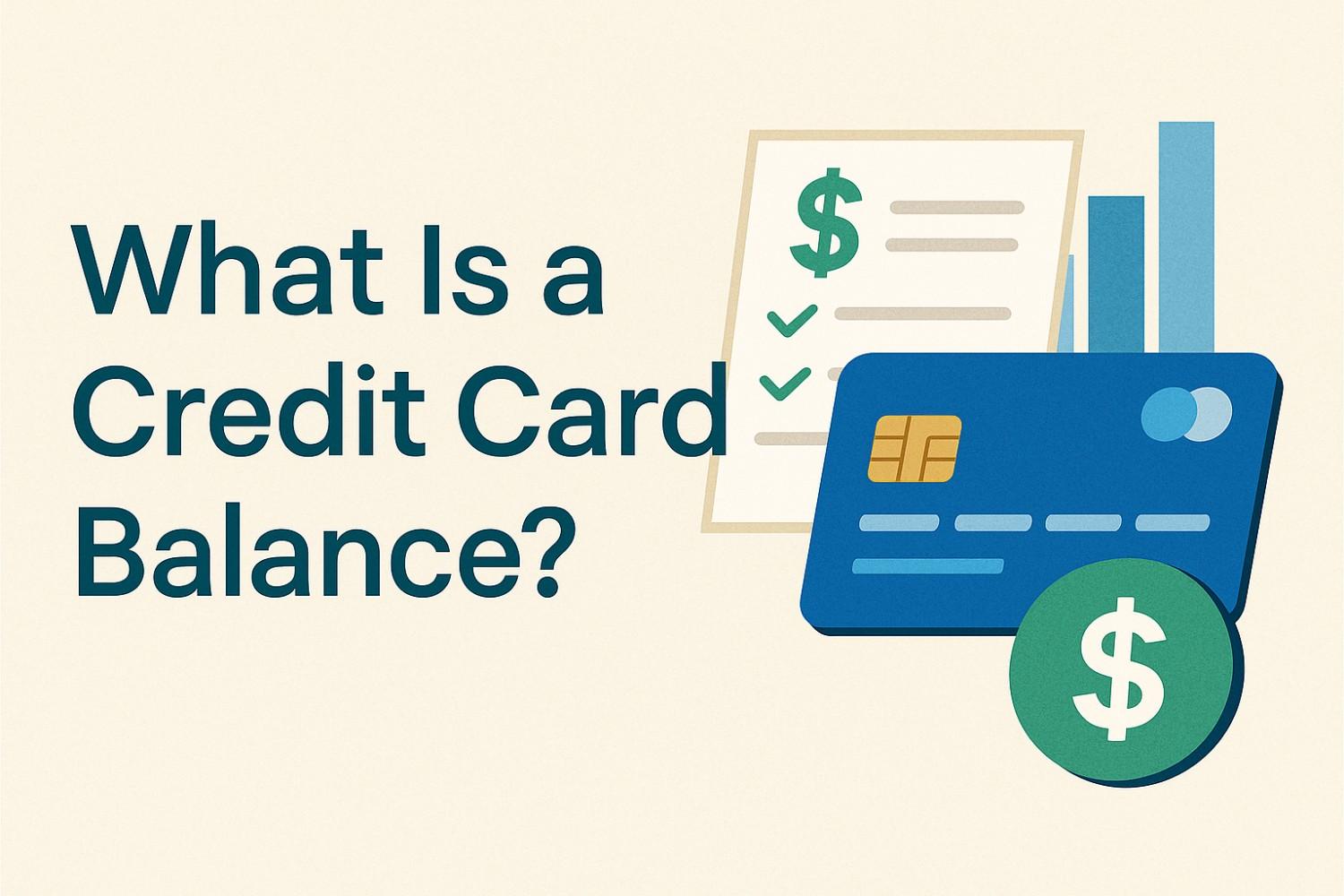
What Is a Credit Card Balance? A Detailed Guide to What You Owe and Why It Changes

If you’ve ever stared at your statement wondering what is a credit card balance, here’s the short answer: it’s the total amount you owe on your card at a specific moment—including purchases, fees, interest that has posted, cash advances, and any balance transfers. Think of it as your “right now” amount due, which can change multiple times a day as new transactions post or payments clear. 

What is a credit card balance?

Your credit card balance—sometimes called your current balance—is the up-to-the-minute sum your issuer shows for what you owe right now. It’s different from your statement balance, which is the snapshot captured at the end of your billing cycle and printed on your monthly bill. Pay the full statement balance by the due date, and you generally avoid interest on new purchases thanks to the grace period. 

What counts toward the balance?

  • Posted purchases and returns

  • Posted fees (e.g., late fees), posted interest, cash advances

  • Posted balance transfers

Pending transactions don’t change your statement balance, but once they post they will roll into your current balance.

What is a credit card balance

Statement balance vs. current balance: what’s the difference?

  • Statement balance: the total captured on the closing date of your billing cycle; it doesn’t change until the next cycle closes. Paying this amount by the due date typically avoids interest on new purchases.

  • Current balance: the real-time total you owe, including anything that posted after your last statement closed. This figure can change daily.

Which should you pay? If your goal is to avoid interest, pay at least the statement balance by the due date. If you want a zero balance (and lower reported utilization between statements), paying the current balance clears everything that has posted.
What is a “credit” (negative) balance—and can my card owe me money?

Yes. A credit balance appears when the card company owes you—for example, you overpay, a merchant refund posts after you’ve paid in full, or rewards credits exceed what you owed. Federal rules require issuers to refund credit balances over $1 on request and to make reasonable efforts to refund them automatically.
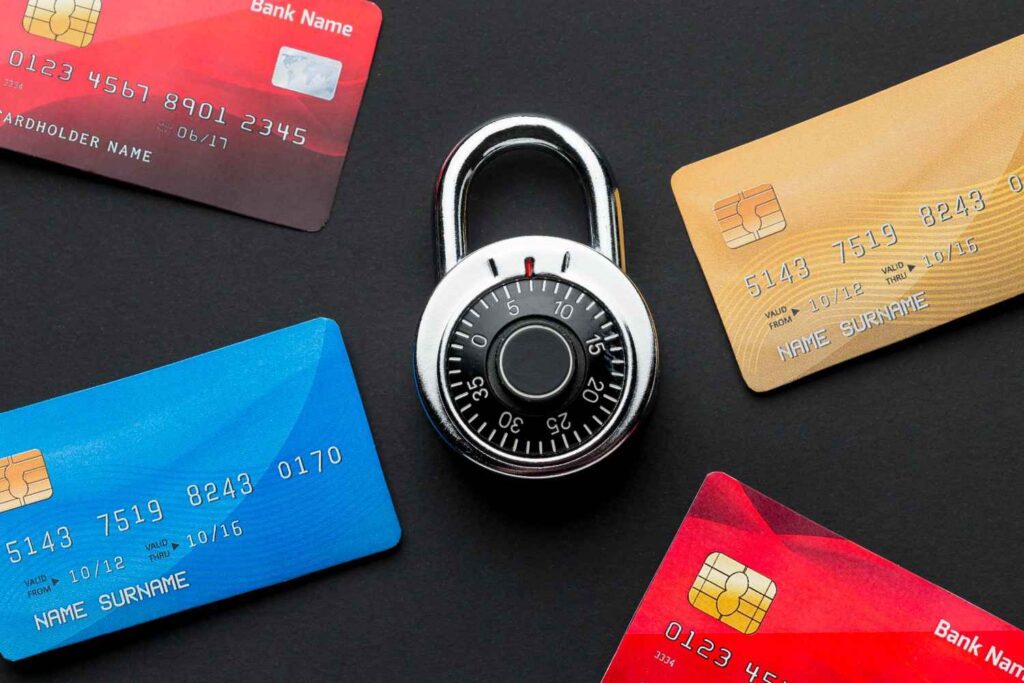
What is a “credit” (negative) balance—and can my card owe me money

How do issuers calculate interest on balances?

Most cards use the average daily balance method: the issuer totals each day’s balance in the cycle and applies a daily periodic rate (your APR divided by 365). If you always pay the full statement balance by the due date, you typically keep your grace period and won’t accrue purchase interest. Miss that, and interest can start accruing from the transaction date. (Exact mechanics appear in issuer disclosures and regulatory handbooks.)

Does my balance affect my credit score?

Yes—through credit utilization (your balance divided by your credit limit). Utilization is a significant factor in many scoring models. Lower is generally better, and many experts aim to keep utilization under about 30%—and lower for best results—by paying early or making multiple payments before the statement closes. (Your issuer typically reports the balance around the statement closing date.)

How do balance transfers and cash advances show up?

  • Balance transfers move debt from one card to another—often to take advantage of a low or 0% intro APR. The transferred amount becomes part of your receiving card’s balance and may include a transfer fee.

  • Cash advances add to your balance and usually start accruing interest immediately (no grace period) and may carry a higher APR plus an upfront fee—check your card’s terms.

How do balance transfers and cash advances show up

Frequently Asked Questions

1. What is a credit card balance vs. a statement balance?

Your credit card balance (current balance) is what you owe right now; your statement balance is the fixed total captured on the statement closing date. Paying the statement balance by the due date typically avoids interest on new purchases.

2. Which balance should I pay to avoid interest?

Pay at least the statement balance in full by the due date to maintain your purchase grace period and avoid interest on new purchases. Paying the current balance will also avoid interest and additionally zero out charges that posted after the statement closed.

3. Why did my balance change after I made a payment?

Your current balance updates as new transactions, refunds, fees, or interest post. Even if you just paid, a pending purchase or fee that posts afterward will raise the current balance, while refunds or credits can lower it—or push it negative. 

4. What happens if my account shows a negative (credit) balance?

That means your issuer owes you money (for example, because of a refund or overpayment). Under federal rules, issuers must promptly refund credit balances over $1 upon request and make reasonable efforts to return them automatically.

Action checklist: how to keep your balance—and costs—low

  • Know your dates. Track statement closing date (when your utilization is captured) and due date (when to pay to keep the grace period).

  • Automate payments. Set autopay for at least the statement balance; consider an extra mid-cycle payment to lower utilization before the statement closes.

  • Avoid cash advances. They often incur fees and interest immediately.

  • Use transfers strategically. A 0% intro APR balance transfer can cut interest, but watch for transfer fees and promo deadlines. 

Bottom line: what is a credit card balance and why it matters

So, what is a credit card balance? It’s your real-time “you owe this much” number—and understanding how it differs from the statement balance helps you avoid interest, manage utilization, and keep your credit healthy. Pay at least the statement balance on time, watch your closing date, and use tools like autopay and mid-cycle payments to stay in control. 

Jenna Clarke

Jenna explores how technology transforms business, productivity, and modern living. With a passion for digital transformation and innovation, she covers everything from AI tools to emerging trends. Her work empowers professionals to adopt forward-thinking strategies and thrive in the digital economy.

More From Author

how to make coffee creamer

How to Make Coffee Creamer: My Favorite Morning Hack That Beats Store-Bought

What Happens to Old Credit Card After Balance Transfer

What Happens to Old Credit Card After Balance Transfer?

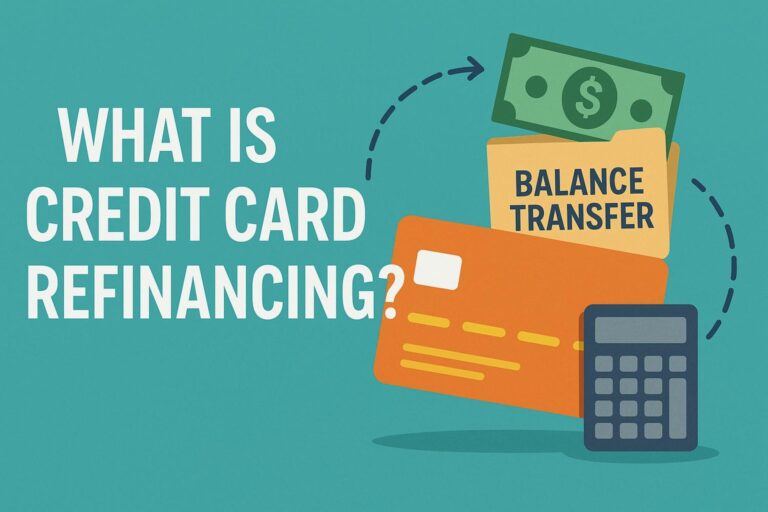
What Is Credit Card Refinancing?

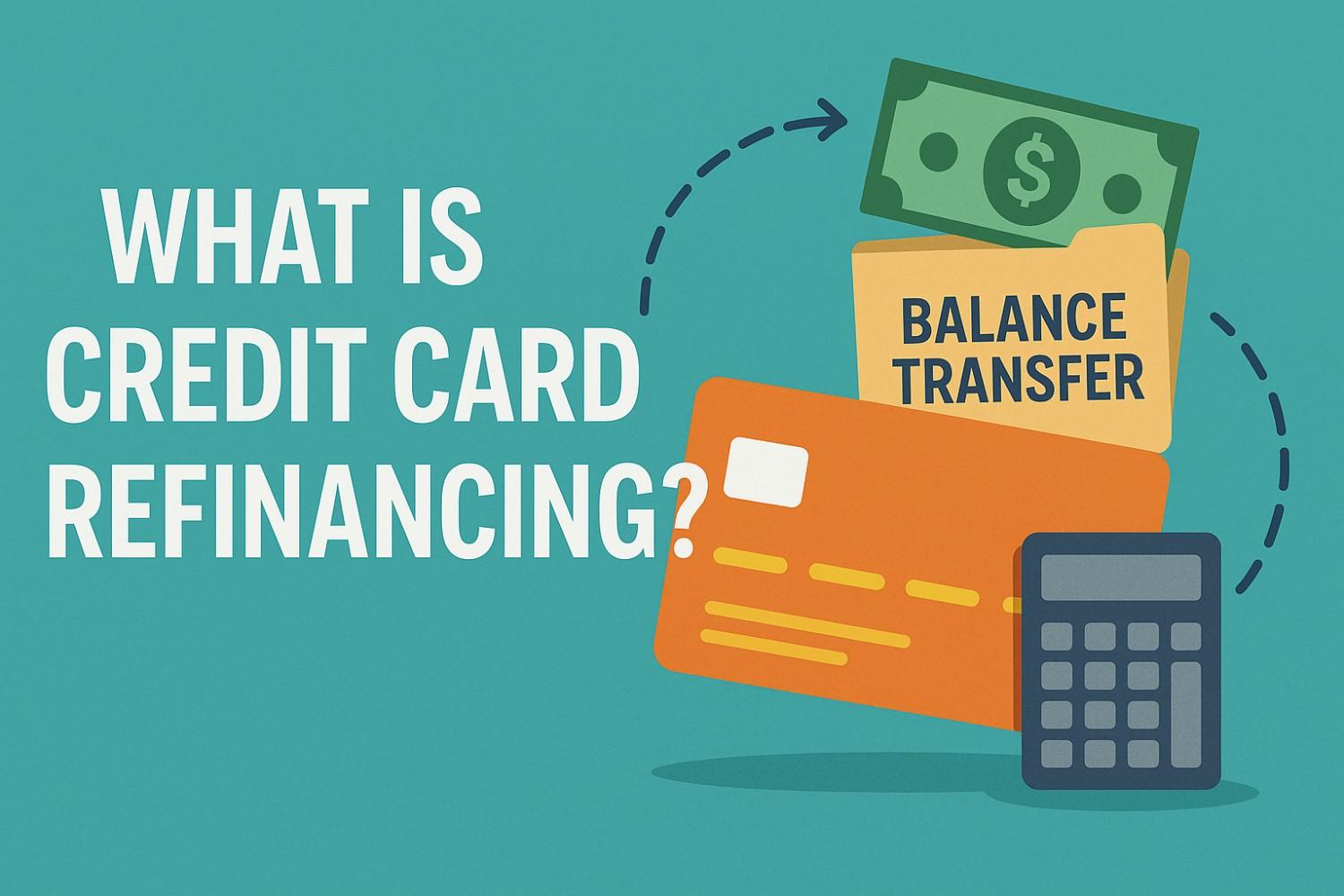
If you’ve wondered what is credit card refinancing, you’re not alone. The first time I heard the term, I pictured mortgage paperwork and endless waiting rooms. In reality, refinancing your card debt can be as simple as moving what you owe to a lower-rate option—often a 0% intro APR balance-transfer card or a fixed-rate personal loan—so more of your payment hits principal and you get out of debt faster.

What is credit card refinancing in simple terms?

Credit card refinancing means paying off an existing credit-card balance with a new financing source that has better terms—usually a lower interest rate or a promotional 0% period. You can do this two common ways:

  1. Transfer your balance to a new credit card with a 0% intro APR for a set period (often 6–18 months).

  2. Use a debt-consolidation/personal loan with a fixed APR and term, then pay the card off and repay the loan in installments.

Both approaches aim to reduce interest, simplify payments, and set a clearer payoff timeline. Just watch for fees and the fine print (like how long the promo APR lasts and whether new purchases accrue interest immediately). 

What is credit card refinancing in simple terms

How does credit card refinancing work step-by-step?

With a balance-transfer card:

  • Apply for a card offering a 0% intro APR on balance transfers.

  • After approval, initiate the transfer from your old card(s) to the new one.

  • Pay a transfer fee (typically 3%–5%).

  • Make on-time payments and aim to pay off the full balance before the promo ends.

With a personal loan:

  • Pre-qualify to see your estimated fixed APR and term without impacting your credit (at many lenders).

  • If approved, use loan funds to pay off your cards.

  • Repay the loan via fixed monthly payments over 2–5 years (varies by lender). 

Credit card refinancing vs. debt consolidation: what’s the difference?

The terms overlap a lot online. Generally, “refinancing” points to replacing one debt (like a single card) with better terms, while “consolidation” often means rolling multiple debts together—though lenders and educators use both terms interchangeably in consumer finance. Bottom line: both strategies replace higher-interest card debt with lower-cost financing so you pay it off faster. 

Credit card refinancing vs. debt consolidation what’s the difference

Is credit card refinancing actually worth it?

It can be—if the math works and you stick to a payoff plan. A balance transfer saves interest during the promo window, and a fixed-rate personal loan can impose helpful structure and a defined end date. But you should weigh fees, your payoff speed, and your ability to avoid adding new card charges. Most guides agree: calculate total costs before you switch.

What are the pros and cons I should know?

Pros

  • Lower interest (or 0% for a period) → faster payoff.

  • Simpler payments (one card or one loan).

  • Potential credit-score benefits if you reduce utilization and pay on time.

Cons

  • Transfer fees (commonly 3%–5%) and possible annual fees.

  • Promo APRs end—your rate may jump.

  • Temptation to spend on the old card after you transfer the balance.

Who should consider a balance-transfer card vs. a personal loan?

Choose a balance-transfer card if you can qualify for a 0% APR and you’re confident you can clear the balance within the promo period. This is ideal for shorter payoffs and disciplined budgets.

Pick a personal loan if you want a fixed rate and fixed timeline, have a larger balance, or need more than a year to pay it off. The predictability can be motivating, and the total cost can be lower than carrying revolving card interest—assuming the loan APR beats your current effective card APR. 

Who should consider a balance-transfer card vs. a personal loan

What mistakes should I avoid when refinancing credit card debt?

  • Ignoring fees: Add transfer fees and potential annual fees into your savings calculation.

  • Paying late: One late payment can void promo APRs or trigger penalty rates.

  • Spending on the paid-off card: Consider keeping the old account open for credit-history reasons, but avoid new charges so you don’t backslide. 

Frequently Asked Questions

1. Is refinancing the same as a balance transfer?

A balance transfer is one method of refinancing card debt. You move what you owe to a new card, often with a 0% intro APR, to save on interest. Refinancing also includes using a fixed-rate personal loan to pay off the card and then repaying that loan.

2. Will credit card refinancing hurt my credit score?

There may be a small, temporary dip from a hard inquiry and potentially a new account, but on-time payments and lower utilization from a successful refinance can help your score over time. Keeping older accounts open (and unused) can preserve credit age, but avoid racking up new balances. 

3. How much can I save with a balance transfer?

It depends on your balance, fee (3%–5%), promo length, and your payoff speed. The biggest savings come when you pay off within the 0% window so every dollar hits principal. Run the numbers before you switch. 

4. What happens if I don’t pay off the balance before the intro APR ends?

Your remaining balance starts accruing interest at the go-to APR (often much higher). If you can’t finish in time, consider whether a fixed-rate loan is cheaper overall or whether you can transfer again without excessive fees. Always read the card’s promo terms. 

So… what is credit card refinancing and how do I start today?

Credit card refinancing is simply replacing expensive card interest with cheaper financing—via a 0% balance-transfer card or a fixed-rate personal loan—so you pay off debt faster and with less stress. To start: check your credit, compare options (APR, fees, promo length), run a quick savings calculation, and commit to a no-new-debt rule until you’re paid off. Done right, refinancing trades chaos for a clear, affordable payoff plan. 

Jenna Clarke

Jenna explores how technology transforms business, productivity, and modern living. With a passion for digital transformation and innovation, she covers everything from AI tools to emerging trends. Her work empowers professionals to adopt forward-thinking strategies and thrive in the digital economy.

More From Author

why can’t Mormons drink coffee

Why Can’t Mormons Drink Coffee? The Real Story Behind the Rule

Restrict Someone on Instagram

What Does It Mean to Restrict Someone on Instagram?

How to Delete Credit Card from Amazon (Step-by-Step Guide You Can Trust)

If you want to know how to delete credit card from Amazon, you’re in the right place. Whether you’re replacing an expired card, tightening account security, or cleaning up old payment options, the steps are quick—on both desktop and the mobile app. I’ve compiled the current best practices from Amazon’s official help docs and top-ranking how-to guides so you don’t have to hunt around.

What should you check before you remove a card on Amazon?

Before you hit “Remove,” make sure that card isn’t tied to anything that could block deletion. Amazon recommends removing a card from Your Payments/Wallet and setting a different default if needed. If a card is set as your default payment method or attached to open orders, subscriptions, or Prime billing, switch the default first, then remove the card. This avoids failed renewals or order issues. 

I also do a quick pass through my subscriptions (like Subscribe & Save or Prime) to confirm they use a different card. After that, the removal takes seconds.

What should you check before you remove a card on Amazon

How do you delete a credit card from Amazon on desktop (web)?

  1. Sign in at Amazon and open Accounts & Lists → Your Account → Your Payments (sometimes labeled Payment options or Wallet).

  2. In Your Payments, select the card you want to remove.

  3. Click Remove from wallet (or Remove/Delete) and confirm.
    That’s it—the card disappears from your saved payment methods.

Tip: If the Remove option is grayed out, set a different Default purchase method first, then try again.

How do you delete a credit card from Amazon in the mobile app (iPhone/Android)?

  1. Open the Amazon app and sign in.

  2. Tap the profile/“Account” icon → Your Account → Your Payments (or Manage payment options).

  3. Choose the card → tap Remove (or Delete) → Confirm.
    This mirrors the desktop flow, just under the Account tab.

If you still see the card after removal, force-close and relaunch the app, or check again on desktop. (A quick refresh often updates the Wallet view.)

How do you delete a credit card from Amazon in the mobile app (iPhoneAndroid)

How do you switch the default payment method so you can remove the old card?

If Amazon won’t let you delete a card because it’s default, change the default first:

  • Go to Your Payments → Default Purchase Settings/Your purchase preferences → choose another card → Make default.

  • Return to Your Payments, select the old card, and hit Remove from wallet. 

This sequence works for Prime renewals and general purchases alike. After you set a new default, removing the old card should be available immediately. 

Can you remove cards linked to Amazon Pay or regional Amazon sites?

Yes—Amazon Pay uses the same payment methods as your main Amazon account. Amazon Pay’s help center instructs you to delete cards on Amazon.com (or your regional Amazon site) under Your Account → Payment options/Your Payments. The change carries over to Amazon Pay.

If you shop on a regional site (e.g., Amazon.in, Amazon.co.uk), the path names may vary slightly (Payment options, Your Payments, or Wallet), but the remove/confirm flow is the same.

Can you remove cards linked to Amazon Pay or regional Amazon sites

Troubleshooting: why can’t I remove my card?

  • It’s the default card for purchases, Prime, or a subscription → set a different default first, then remove.

  • Open order in progress → wait for the order to complete or switch the payment method on that order, then try again. (Amazon’s Help implies removal is blocked if the card is in active use.)

  • App UI didn’t update → refresh the app or check on desktop Your Payments. Third-party tutorials note cache/device hiccups can delay the change visually.

Quick How-To 

Desktop: Accounts & Lists → Your Account → Your Payments/Payment options → select card → Remove from wallet → Confirm.
Mobile app: Account icon → Your Account → Your Payments/Manage payment options → select card → Remove → Confirm.
If blocked, set a new Default first under Default Purchase Settings/Your purchase preferences, then remove. 

Frequently Asked Questions

1. Does removing a card cancel Prime or Subscribe & Save?

No. Removing a card doesn’t cancel memberships or subscriptions; it just removes that payment method. You must set another valid default payment method to avoid renewal failures or subscription interruptions.

2. Can I delete every card from my Amazon account?

You can, but Amazon expects a valid payment method for purchases and renewals. If you remove all cards, add a new one before your next order or renewal to prevent declined payments. (Amazon’s Wallet flow supports removal but encourages setting a default.) 

3. Where do I remove cards for Amazon Pay?

In the same place: Your Account → Your Payments/Payment options on your Amazon site. Amazon Pay specifically points shoppers to delete payment methods on Amazon.com (or your local Amazon site).

4. How do I do this on the Amazon app?

Open the app → Account → Your Account → Your Payments/Manage payment options → tap the card → Remove/Delete → Confirm. If you don’t see the update, refresh or check on desktop.

Bottom line: what’s the fastest way to how to delete credit card from Amazon successfully?

If you’re wondering how to delete credit card from Amazon without running into those pesky “can’t remove” alerts, the key is preparation. Always start by checking whether that card is your default payment method for purchases, Prime renewals, or subscriptions like Kindle Unlimited or Audible. Switching to a new default first will save you time and avoid accidental billing issues.

Once your default is updated, head to Your Payments (or Wallet), choose the card you no longer need, and hit Remove from wallet. Within seconds, it’s gone. I also recommend double-checking your Amazon Pay settings and subscriptions afterward to make sure everything points to the right card.

By keeping your payment methods up to date, you protect your account, prevent declined payments, and make checkout smoother in the future. Whether you’re spring-cleaning your digital wallet or simply updating an expired card, Amazon’s interface makes it quick once you know where to look.

With these steps, you’ll have complete control over your Amazon payment options—and one less outdated card cluttering your account. 

Jenna Clarke

Jenna explores how technology transforms business, productivity, and modern living. With a passion for digital transformation and innovation, she covers everything from AI tools to emerging trends. Her work empowers professionals to adopt forward-thinking strategies and thrive in the digital economy.

More From Author

how to use Keurig coffee maker

How to Use Keurig Coffee Maker: My Foolproof Morning Routine

why can’t Mormons drink coffee

Why Can’t Mormons Drink Coffee? The Real Story Behind the Rule

How to Pay Mortgage With Credit Card (And When It’s Actually Worth It)

Paying bills with plastic can feel like a life hack, so it’s natural to wonder how to pay mortgage with credit card to earn rewards or buy time. Here’s the short answer: it’s sometimes possible through workarounds—but fees and rules mean it rarely makes sense except in narrow cases. Most servicers don’t take cards directly, and even some card networks or issuers limit these payments. 

Can you really pay a mortgage with a credit card?

Directly? Almost never—servicers typically refuse cards because of processing costs, and many issuers restrict coding mortgage payments on their cards. That’s why most “yes” answers rely on a third-party bill-pay service that charges your card and then sends your lender a check or ACH. Expect a convenience fee that usually outweighs everyday rewards. 

How to pay mortgage with credit card (4 practical methods)

How to pay mortgage with credit card (4 practical methods)

1) Third-party bill pay (most common).

Platforms like Plastiq charge your card and deliver funds to your lender. The trade-off is a processing fee—often ~2.9%—plus small delivery charges for ACH/check. Do the math before you swipe. 

2) Money order via credit card.

Some retailers let you buy money orders with a card, but many don’t; if they do, fees apply and your issuer may treat the purchase as a cash advance (immediate interest, no grace period). Experian highlights this as a workaround with real caveats. 

3) Balance transfer to bank account (or BT checks).

Certain cards allow a 0% intro APR balance transfer to checking, letting you send the mortgage payment from your bank. You’ll pay a transfer fee and must aggressively repay before the promo ends to avoid high interest.

4) Cash advance (last resort).

This is usually the worst option: high APR starts immediately, and there’s an upfront cash-advance fee. Use only to avoid a late payment catastrophe—and have a plan to pay it off fast. 

Do rewards ever beat the fees?

Run the numbers. Suppose your mortgage is $2,500. At a 2.9% fee, you’ll pay $72.50 to process the payment. A 2% cash-back card returns $50, leaving you $22.50 in the red. That’s why most experts say everyday rewards don’t pencil out. The exception: welcome bonuses that require large spend in a short window; paying one month via a service like Plastiq could tip you over the threshold—but only if you’ll pay the card statement in full to avoid interest and keep utilization in check.

What do card networks and lenders actually allow?

Rules change, but the pattern is consistent: mortgage servicers generally refuse direct card payments, and some networks/issuers block mortgage-coded transactions even through intermediaries. Always confirm with both your servicer and your card issuer before you count on this strategy. 

What do card networks and lenders actually allow

When does it make sense to pay a mortgage with a card?

  • One-time bonus play: You’re a few hundred dollars shy of a large sign-up bonus worth more than the fee.

  • Tight timing with guaranteed payoff: You need a few days’ float, will avoid interest entirely, and have a clear plan to zero the card.

  • Targeted promotions: Rare lower-fee promos from a bill-pay platform (always verify current terms). 

Safer alternatives if cash is tight

Before you pay a housing bill with high-cost credit, check your servicer’s hardship or forbearance options, review budget line items, or consider a short-term refinance/loan solution. Consumer guides from major publishers consistently recommend exhausting lower-cost routes first. 

Frequently Asked Questions

1. Can I earn points when I pay a mortgage with a credit card?

Yes—if your issuer allows the transaction and you use a third-party service—but the 2.9%-ish processing fee usually cancels out typical cash-back or points values. Rewards can work in your favor only when chasing a large welcome bonus and you won’t carry a balance. 

2. Will paying a mortgage with a card hurt my credit score?

It can, indirectly. Large one-time charges spike your utilization, which can lower scores until you pay the statement. If you revolve a balance, you’ll also incur interest. Paying the card in full and timing the charge right before your statement due date can limit utilization impact. 

3. Is Plastiq legit for mortgage payments and what does it cost?

Plastiq is a long-running bill-pay platform used to pay vendors that don’t take cards. For card-funded payments, the published fee is 2.9%, plus small delivery fees (e.g., $0.99 ACH, $1.49 check). Policies and promos change; confirm pricing and eligibility before relying on it.

4. What’s the best “how to pay mortgage with credit card” approach?

If you’re determined, the cleanest path is a reputable third-party bill-pay service. Do fee-versus-value math, verify your servicer/issuer rules, and consider a one-month-only use to trigger a welcome bonus—then revert to normal payments. For ongoing cash-flow issues, explore hardship options instead.

The bottom line: tread carefully

If you’re asking how to pay mortgage with credit card to game rewards, know that fees usually win. The move can make sense for a single month to clinch a big sign-up bonus—only if you’ll pay the card in full and keep utilization in check. For everyone else, lower-cost alternatives protect your credit, your budget, and your peace of mind.

Jenna Clarke

Jenna explores how technology transforms business, productivity, and modern living. With a passion for digital transformation and innovation, she covers everything from AI tools to emerging trends. Her work empowers professionals to adopt forward-thinking strategies and thrive in the digital economy.

More From Author

how to remove paint from brick

How to Remove Paint From Brick Without Ruining Its Charm

how to use Keurig coffee maker

How to Use Keurig Coffee Maker: My Foolproof Morning Routine

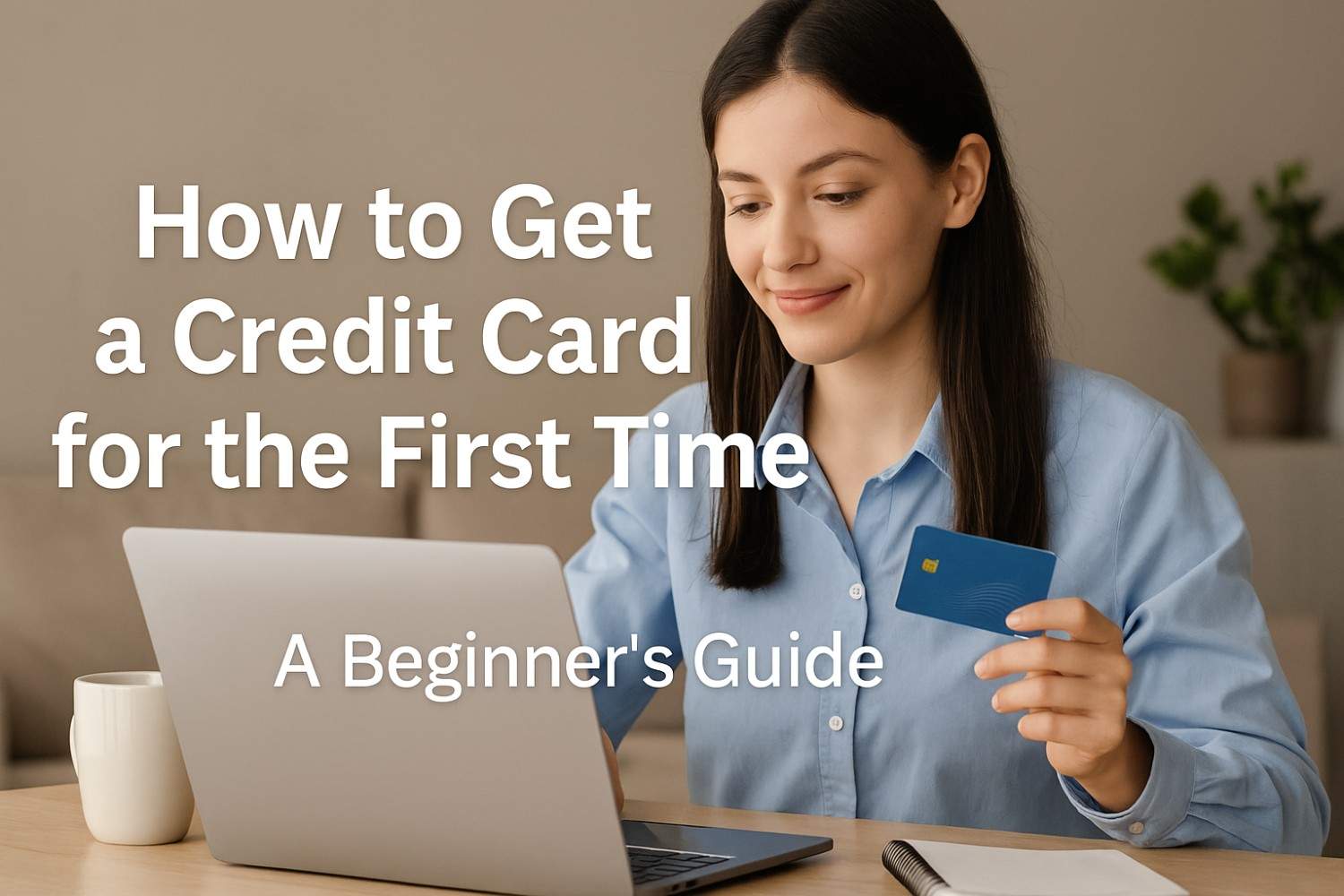
How to Get a Credit Card for the First Time: A Beginner’s Guide

Getting your first credit card can feel a little intimidating—I remember feeling the same way when I applied for mine. I kept asking myself, “Am I ready for this?” and “What if I mess up my credit score before I even start?” If you’re wondering how to get a credit card for the first time, don’t worry. I’ve been there, and I’ll walk you through every step to make sure your first experience builds your financial confidence, not debt.

What Exactly Is a Credit Card, and Why Does It Matter?

A credit card lets you borrow money from a bank to make purchases, as long as you repay it later. Unlike a debit card, which uses money from your account, a credit card helps you build a credit history—something lenders use to determine if you’re responsible with money.

When you manage your card wisely—by paying bills on time and keeping balances low—you create a strong credit score that can help you qualify for future loans, apartments, or even better job opportunities.

How to Get a Credit Card for the First Time (Step-by-Step)

Learning how to get a credit card for the first time comes down to preparation, responsible planning, and choosing the right product. Here’s a clear roadmap to follow.

How to Get a Credit Card for the First Time (Step-by-Step)

1. Check Your Eligibility and Credit Standing

Before you jump in, make sure you meet basic requirements. Most card issuers expect applicants to be 18 or older with a stable income source. If you’re under 21, you might need to show proof of independent income or have a co-signer.

If you don’t yet have a credit history, don’t panic. Banks often assess your job stability, existing savings or salary account, and relationship with them. Checking your credit report is a smart first step—it’s free and helps you understand your financial starting point.

2. Explore Options Designed for Beginners

Not every credit card is created equal, and some are tailored specifically for first-time users.
Here’s what you can consider:

  • Secured Credit Cards: These cards require a refundable deposit that acts as your credit limit. They’re ideal for people with no credit history. With consistent on-time payments, you can often upgrade to an unsecured card later.

  • Student Credit Cards: Designed for college students, these typically have lower income requirements and may allow a co-signer.

  • Authorized User Option: If you’re not ready to apply on your own, you can become an authorized user on a parent’s or family member’s account. Their good payment behavior can help build your credit profile.

  • Existing Bank Cards: Applying through the bank where you already maintain a savings or salary account can improve approval odds because they’re familiar with your financial habits.

3. Choose the Right Card for Your Lifestyle

When comparing cards, focus on annual fees, interest rates, and benefits that match your spending habits. Some beginner cards come with no annual fees and offer simple cashback or reward points.

If you’re starting out, choose reliability over flashy perks. Aim for a card that reports to all three credit bureaus—Experian, Equifax, and TransUnion—so your good credit behavior is recorded everywhere.

4. Gather the Required Documents

Having the right paperwork ready can make your application smoother. Typically, you’ll need:

  • Proof of identity (driver’s license or passport)

  • Proof of address (utility bill or rental agreement)

  • Proof of income (recent pay stubs or tax returns)

  • Social Security Number

These documents help verify your eligibility and ensure faster approval.

5. Apply Online or at Your Bank

Once you’ve selected your card, submit your application online or through your bank branch. Many issuers like Capital One, Chase, and Discover allow pre-qualification checks—these give you an idea of approval chances without affecting your credit score.

If you apply in person, the banker can walk you through every detail and confirm what’s needed. Always double-check your details before submission to avoid delays.

6. Activate Your New Credit Card

After approval, your credit card will arrive by mail within a week or two. Follow the activation instructions—usually by phone, app, or online portal—and set a secure PIN for transactions. Once activated, make a small purchase to start building your credit history.

7. Practice Smart Credit Habits from Day One

Congratulations—you’ve got your first card! Now comes the most important part: using it wisely.

Key habits for new cardholders:

  • Pay in full and on time. Late payments damage your score and add interest.

  • Keep utilization low. Try not to use more than 30% of your available limit.

  • Avoid cash withdrawals. They often trigger immediate interest and fees.

  • Monitor statements monthly. Review charges to catch errors or fraud early.

Following these steps helps you establish credit fast while avoiding debt traps.

What to Avoid as a First-Time Credit Card User

Even experienced users make mistakes—so learn from them early:

  • Don’t apply for too many cards at once. Each “hard inquiry” lowers your score.

  • Avoid paying only the minimum balance—it leads to long-term debt.

  • Always read your card’s fine print. Understand fees, interest rates, and grace periods.

What to Avoid as a First-Time Credit Card User

Treat your card as a financial tool, not free money. Discipline today equals financial freedom tomorrow.

Frequently Asked Questions

1. Can I get a credit card with no credit history?

Yes, you can. Secured or student credit cards are great starter options. A refundable deposit or a co-signer can help you qualify while you build credit.

2. How long does it take to get approved?

Online applications usually provide instant decisions. If manual review is needed, it may take up to 10 business days. Once approved, expect your card in the mail within a week.

3. Does applying for a credit card hurt my credit?

A single inquiry might slightly lower your score, but it’s temporary. Responsible use quickly outweighs the minor dip and helps your credit grow stronger.

4. Should I start with one card or multiple?

Start with just one. Managing multiple cards early on can complicate payments and increase your debt risk. Once you build a solid track record, you can explore more options.

Smart Money Moves Start Here

Learning how to get a credit card for the first time isn’t just about submitting an application—it’s about starting your financial journey on the right foot. By choosing a beginner-friendly card, applying strategically, and maintaining responsible habits, you can turn your first card into a credit-building powerhouse.

The key is consistency: pay on time, stay within your limits, and track your expenses. Over time, your good habits will unlock better cards, lower interest rates, and a higher credit score. Remember, your first credit card isn’t just a piece of plastic—it’s your gateway to financial growth.

Jenna Clarke

Jenna explores how technology transforms business, productivity, and modern living. With a passion for digital transformation and innovation, she covers everything from AI tools to emerging trends. Her work empowers professionals to adopt forward-thinking strategies and thrive in the digital economy.

More From Author

Drano alternatives

Drano Alternatives: Real Fixes I’ve Tried That Actually Work

how to remove paint from brick

How to Remove Paint From Brick Without Ruining Its Charm

What Is an Unsecured Credit Card? A Simple Guide You Can Actually Use

If you’ve ever wondered what is an unsecured credit card, here’s the quick version: it’s the classic credit card most people use every day—no deposit, no collateral, just a credit line offered based on your credit history and income. Issuers trust your financial track record rather than holding your cash as a safeguard.

What Is an Unsecured Credit Card (and How Does It Differ From a Secured One)?

An unsecured credit card is a standard type of credit card that doesn’t require you to provide a security deposit or pledge personal assets. The issuer extends a line of credit based solely on your creditworthiness, income, and financial history. In short, the bank is betting on your ability to repay what you borrow.

What Is an Unsecured Credit Card (and How Does It Differ From a Secured One)

Here’s what sets it apart:

  • No Collateral Required: Your savings, car, or property aren’t tied to the account.

  • Credit-Based Approval: Lenders look for a good-to-excellent credit score and consistent income.

  • Issuer-Determined Limit: Your credit limit depends on the lender’s evaluation of your financial profile rather than an upfront deposit.

  • Features and Rewards: These cards often include cashback, points, or travel perks to attract consumers.

  • Higher Risk to Lenders: Since there’s no collateral, issuers rely heavily on credit screening—hence the stricter approval standards.

By contrast, a secured credit card requires a refundable deposit, which acts as collateral and determines your credit line. That’s why secured cards are ideal for beginners or those rebuilding their credit.

How Does an Unsecured Credit Card Work?

When you make purchases with an unsecured card, you’re essentially borrowing from the issuer up to your assigned limit. You’ll receive a monthly billing statement showing your balance, minimum payment, and due date. Paying your bill in full by the due date helps you avoid interest charges. Carrying a balance, however, means paying interest on the unpaid amount—sometimes at double-digit rates.

Because unsecured cards involve no collateral, the lender bears more risk. To offset that, they may charge higher interest for borrowers with weaker credit or restrict initial credit limits. Paying responsibly over time can lead to credit-limit increases and lower APR offers.

How Does an Unsecured Credit Card Work

What Are the Key Characteristics of Unsecured Credit Cards?

  • No Collateral or Deposit: You get access to credit purely on trust and your financial reputation.

  • Creditworthiness Matters Most: Approval hinges on your credit score, payment record, and debt-to-income ratio.

  • Flexible Limits: Issuers can offer higher limits as you demonstrate responsible use.

  • Rewards Potential: Many unsecured cards provide points, miles, or cashback programs unavailable to secured products.

  • Greater Risk to Lenders: Because there’s no deposit buffer, lenders screen applicants carefully and may deny those with poor credit.

In essence, unsecured cards give qualified borrowers more freedom and perks—but they demand discipline and financial reliability in return.

Who Should Get an Unsecured Credit Card?

If you already have fair-to-excellent credit, stable income, and responsible financial habits, an unsecured card is a natural fit. You’ll likely qualify for better rewards, promotional interest rates, and fewer fees than you would with entry-level secured options.

For those new to credit or repairing past mistakes, starting with a secured card may be smarter. You can prove reliability through on-time payments, then “graduate” to an unsecured card once your score improves.

What Are the Pros and Cons of an Unsecured Card?

Advantages Disadvantages
No security deposit required Stricter approval criteria
Potential for higher credit limits Higher interest rates for lower scores
Access to rewards programs Missed payments hurt credit fast
Can improve credit with on-time payments Temptation to overspend

Ultimately, the biggest advantage is flexibility; the biggest risk is financial overreach.

What Are the Pros and Cons of an Unsecured Card

What Do Issuers Consider Before Approving You?

Because unsecured debt isn’t backed by collateral, card issuers perform a full credit evaluation. They’ll review:

  • Credit score and payment history

  • Outstanding debt and utilization ratio

  • Income stability and employment

  • Overall credit age and account mix

Applicants with excellent credit typically qualify for high limits and low APRs. Those with fair credit might receive modest limits or higher interest rates until they prove reliability.

How to Use an Unsecured Credit Card Wisely

  • Pay on Time, Every Time: Set up automatic payments or calendar alerts.

  • Keep Balances Low: Aim to use less than 30% of your limit—preferably under 10%.

  • Pay in Full: Avoid interest charges whenever possible.

  • Monitor Your Credit: Use free reports to track progress and spot errors.

  • Don’t Apply Too Often: Too many inquiries can lower your score.

These small habits demonstrate reliability and can quickly boost your creditworthiness—unlocking better unsecured card options later.

Frequently Asked Questions

1. What is an unsecured credit card in simple terms?

It’s a regular credit card that doesn’t require a security deposit. The issuer offers a credit line based on your income and credit history.

2. Can I get an unsecured card with bad credit?

It’s possible but tougher. Some lenders offer subprime unsecured cards with high fees. A secured card might be a smarter starting point for rebuilding credit.

3. Does an unsecured card help build credit?

Yes. Most report to all three major bureaus, and consistent on-time payments can improve your credit score significantly.

4. What’s the difference between secured and unsecured cards?

Secured cards need a deposit as collateral; unsecured cards rely on your credit profile. Both help build credit, but unsecured cards usually offer better perks.

Final Thoughts: Is an Unsecured Credit Card Right for You?

If you’ve read this far wondering what is an unsecured credit card, here’s the bottom line—it’s the most common kind of credit card out there, designed for people with established financial trust. No collateral means no deposit headaches, but it also means greater responsibility to pay on time and manage balances carefully.

If you’re just starting out, consider building a foundation with a secured card. Once you’ve built strong credit habits, an unsecured card can reward you with better terms, higher limits, and valuable perks. The key is simple: treat credit as a tool, not free money, and it’ll open more financial doors than it closes.

Jenna Clarke

Jenna explores how technology transforms business, productivity, and modern living. With a passion for digital transformation and innovation, she covers everything from AI tools to emerging trends. Her work empowers professionals to adopt forward-thinking strategies and thrive in the digital economy.

More From Author

How to Cancel Chase Credit Card (Without Wrecking Your Credit or Losing Points)

How to Cancel Chase Credit Card (Without Wrecking Your Credit or Losing Points)

Drano alternatives

Drano Alternatives: Real Fixes I’ve Tried That Actually Work

How to Cancel Chase Credit Card (Without Wrecking Your Credit or Losing Points)

If you’re asking how to cancel Chase credit card, you’re probably staring at an annual fee you don’t want, a rewards program you’ve outgrown, or a wallet that’s way too crowded. I’ve been there. The good news: canceling a Chase card is straightforward—if you follow a few smart steps first so you don’t torch your credit score or accidentally forfeit rewards.

What should I do before I cancel a Chase credit card?

Start with tidy housekeeping so you don’t leave money—or credit score points—on the table.

  • Redeem or move your rewards. Chase Ultimate Rewards® don’t expire while your account is open, but you lose unredeemed points if you close the card. If you hold another UR-earning Chase card, move points there first; otherwise, cash them out or use them.

  • Check automatic payments and credits. Shift subscriptions off the card and clear pending credits so nothing gets stranded. (Chase’s “Stored Cards” tool in the app can help you spot saved payment details.)

  • Think about your credit score. Closing a card can increase your utilization and shorten your average account age—both can nudge scores down. If you’re applying for a mortgage or auto loan soon, consider waiting.

  • Consider a product change instead. If the fee is the problem, you can often downgrade within the same card family and keep history, credit line, and points.

What should I do before I cancel a Chase credit card

How to Cancel Chase Credit Card: What’s the exact process?

You’ve got three reliable options—pick what’s easiest for you.

  • Call the number on the back of your card.
    This is the fastest, most reliable method. Chase lists 1-800-432-3117 as the general credit card customer service line. Have your card handy for verification.

  • Send a secure message after logging in.
    If you prefer not to call, sign in at Chase.com and use the Secure Messages center to request closure in writing. Clear, simple wording works: “Please close my [card name] ending in ____.”

  • Mail a written request (less common).
    Include your name, address, last four digits, and a short closure request to:
    Chase Card Services, P.O. Box 15298, Wilmington, DE 19850.

Pro tip: Ask the agent to confirm (1) the account is closed to further charges, (2) the balance payoff instructions (if any), and (3) that you’ll receive written confirmation.

Is there a smarter alternative than canceling outright?

Often, yes—especially if you’re mainly trying to ditch an annual fee.

  • Downgrade within the same family. Keep your account age, credit line, and the ability to pool points—just with a lower or no annual fee. You generally must stay within the same card family (e.g., Sapphire ↔ Freedom; co-brands typically swap only within that brand).

  • Ask for a fee waiver or retention offer. If value is borderline, call and ask politely. Worst case, they say no.

  • Sock-drawer + lock. Prefer to keep history? Lock the card in the app and use it for a tiny charge once a year to reduce inactivity risk.

Is there a smarter alternative than canceling outright

Will I lose my Chase rewards if I cancel?

Possibly. Here’s the quick logic:

  • Ultimate Rewards: Points don’t expire while the account is open, but closing the last UR-earning card means you forfeit any unredeemed points. Move or redeem before you cancel.

  • Co-brand cards (e.g., Southwest/Marriott): Points already swept to the airline/hotel typically remain there, but anything not yet transferred could be lost at closure. Check your statement cycle timing. 

How does canceling affect my credit score?

Two main ways:

  • Utilization can jump. Lose a chunk of available credit and your utilization ratio can spike, which may ding scores.

  • Average age can drop. Closing older accounts shortens your average age of credit over time (closed accounts can remain on reports for years, but they stop aging with you).

If you must cancel, consider paying other balances down first to keep utilization steady.

Step-by-step checklist: How to cancel Chase credit card cleanly

  1. Move or redeem all points and cash back. 
  2. Update or remove all recurring charges. 
  3. Call 1-800-432-3117 (or message securely) to close.
  4. Ask for written confirmation of the closure. (Keep it for your records.) 
  5. Monitor your next statements and your credit report to verify the update. 

Step-by-step checklist How to cancel Chase credit card cleanly

Frequently Asked Questions

1. Can I cancel my Chase card if I still have a balance?

Yes. You can close the account to new charges and keep paying the remaining balance under the existing terms. Interest may still accrue until it’s paid off.

2. What’s the fastest way to cancel—phone, message, or mail?

Phone is typically quickest because an agent can verify you and process the request on the spot. Secure message works if you want written documentation from the jump. Mail is slowest and rarely necessary.

3. Will canceling hurt my credit right away?

You may see a short-term dip if utilization rises or you close a long-standing account. If you keep balances low and maintain on-time payments, scores can stabilize.

4. What if I just want to avoid the annual fee?

Ask for a retention offer, or downgrade to a no- or low-fee card within the same family so you keep your history and credit line.

Bottom line: When should I actually cancel a Chase card?

If high fees, overlapping benefits, or lifestyle changes make the card a mismatch—and you’ve already moved points, handled autopays, and considered a downgrade—go ahead and close it. Call 1-800-432-3117 or send a secure message to finish it in minutes. Follow the checklist above, and you’ll know exactly how to cancel Chase credit card without unnecessary fees, lost rewards, or avoidable credit damage. 

Jenna Clarke

Jenna explores how technology transforms business, productivity, and modern living. With a passion for digital transformation and innovation, she covers everything from AI tools to emerging trends. Her work empowers professionals to adopt forward-thinking strategies and thrive in the digital economy.

More From Author

why is my water pressure low

Why Is My Water Pressure Low? Here’s the Truth from My Own Experience

What Is an Unsecured Credit Card A Simple Guide You Can Actually Use

What Is an Unsecured Credit Card? A Simple Guide You Can Actually Use

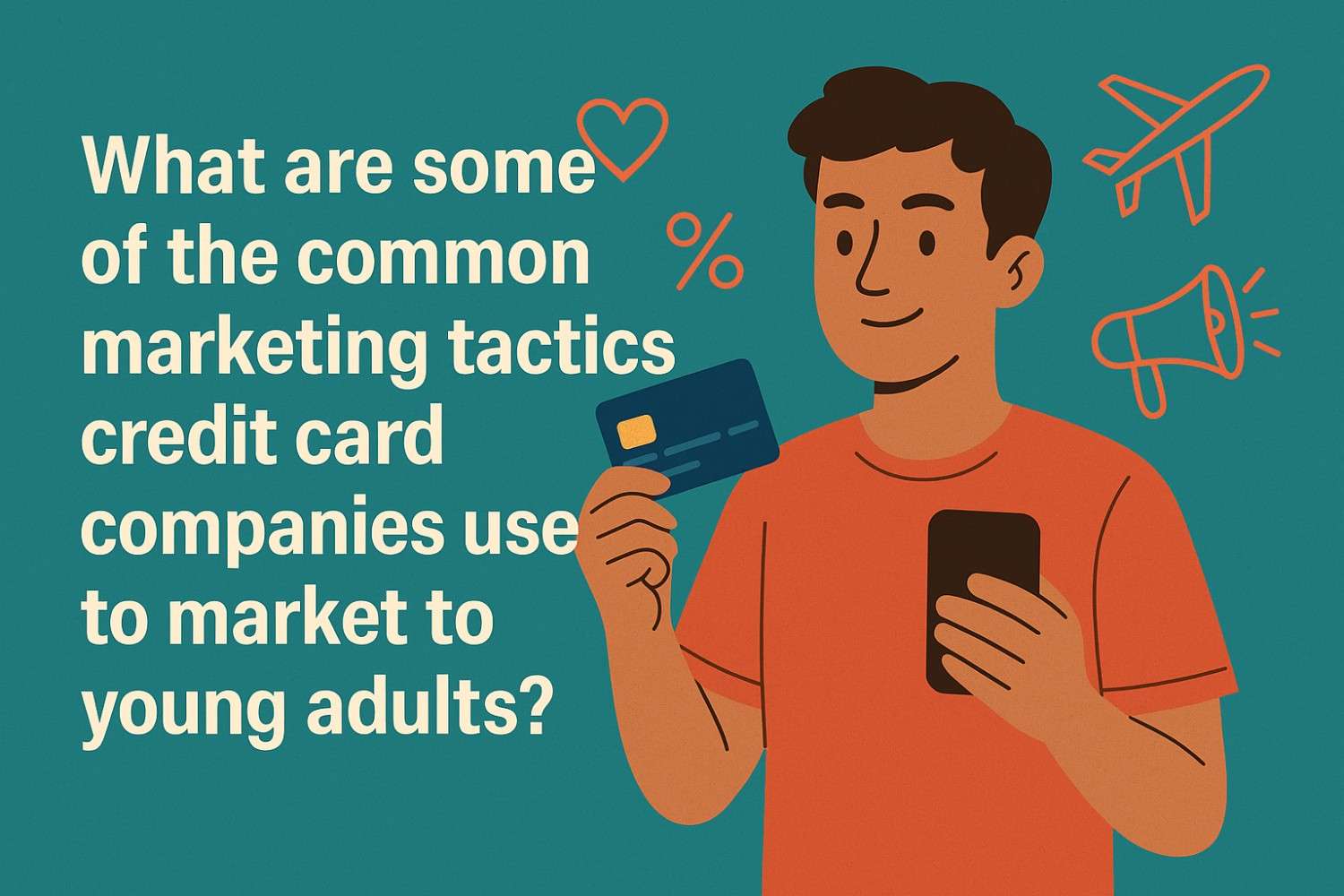
What are some of the common marketing tactics credit card companies use to market to young adults?

If you’re asking “what are some of the common marketing tactics credit card companies use to market to young adults?”, you’re not alone. In my first semester off campus, my feed filled with glossy “student-friendly” card ads, 0% APR promises, and referral links from friends. Smart marketing can make plastic look like a shortcut to independence, travel, and credit scores. Some offers are legitimately helpful. Others rely on urgency, FOMO, or jargon. Let’s break down the playbook—clearly and factually—so you can choose on your terms.

How do banks reach students and recent grads in the first place?

Credit card issuers still lean on school-connected channels, but with tighter rules. After the Credit CARD Act, colleges must publicly disclose agreements with card issuers used for marketing financial products to students, which limits undisclosed campus deals and pushes more transparency. You’ll still see cobranded “student” accounts or cards promoted through university channels, but with contracts on record.

Outside campus, companies use prescreened (a.k.a. “firm”) offers—mailers or emails you get because your data met certain criteria at a credit bureau. The offers are legal and common, and you can opt out at OptOutPrescreen if you want fewer solicitations.

How do banks reach students and recent grads in the first place

What messaging hooks work on young adults?

Intro APRs and big sign-up bonuses. Zero percent intro APR for purchases or balance transfers, plus a few thousand points for spending in the first months, are headliners because they’re easy to understand and feel like “free money.” Research from the Boston Fed shows how promos influence behavior (including “card flipping” to extend low-rate periods), which is exactly why marketers highlight them. Guides from major publishers explain the mechanics and pitfalls (like deferred interest after a missed payment). 

Lifestyle framing and category rewards. Ads showcase travel, coffee runs, streaming, and rideshares—then pair those scenes with 3%–5% category rewards to feel hyper-relevant to a student budget. Entry cards often waive annual fees, pitch simple cash back, and position the card as a “starter” you can keep to lengthen credit history. 

Influencers and social feeds. Issuers now collaborate with creators on TikTok/Instagram/YouTube to translate card features into “day-in-the-life” content. The line between ad and advice can blur, which is why disclosures matter and why this channel is popular for reaching first-time cardholders. 

Which acquisition tactics should you expect to see?

Prescreened mail and email. Targeted lists from bureaus fuel those “you’re preselected” envelopes. They’re not approvals—just invitations based on criteria. You can opt out for five years or permanently (via mail-in) if you’d rather not receive them.

Campus-adjacent promotions (with disclosures). Even with stricter campus rules, you’ll see partnerships around student banking and prepaid/credit products; the CFPB tracks these arrangements annually. Expect cobranded materials at student centers, orientations, or university email blasts—with contracts disclosable to the public. 

Referral programs. Friends share links because both of you may get a bonus. It’s word-of-mouth amplified by small rewards—simple, scalable, and very Gen Z.

Content marketing. “Credit 101” articles, calculators, and student card explainers build trust and search visibility, then funnel you toward specific products. Large personal-finance publishers and issuers both use this play. 

Which acquisition tactics should you expect to see

How can you evaluate student and starter cards like a pro?

Check the “gotchas” on 0% APRs. Miss one payment and the promo can end; balance transfer fees can negate savings; the regular APR will kick in after the intro period. Read the Schumer box and set auto-pay to protect the deal.

Weigh rewards vs. fees and your real spending. If you spend mostly on groceries, dining, and transit, favor cards that reward those categories with no annual fee. If you don’t travel yet, don’t chase travel points. NerdWallet and Investopedia’s student-card explainers outline starter features and realistic expectations for first-time credit users. 

Decide how much marketing you want. If prescreened offers clutter your mailbox, opt out. If you prefer seeing options on your terms, search comparison guides or your bank’s site instead of reacting to ads. 

How can you evaluate student and starter cards like a pro

Frequently Asked Questions

1. What are some of the common marketing tactics credit card companies use to market to young adults?

The big four are intro 0% APRs and sign-up bonuses, lifestyle-based rewards (coffee, rides, streaming), creator/influencer campaigns across social platforms, and prescreened mailers. On campus, you’ll also see disclosed partnerships and cobranded promotions. All are designed to make the first card feel easy and tailored. 

2. Are prescreened offers legit—and am I already approved?

They’re legitimate “firm offers of credit,” but you still have to apply and meet full underwriting. Think of them as targeted invitations, not guaranteed approvals. If you dislike the mailers, opt out online or by phone. 

3. Do 0% APR cards actually save me money?

Yes—if you pay on time and clear the balance before the promo ends. Miss a payment or carry the balance past the intro period and you could pay a high regular APR or incur fees. Read the terms and schedule payments the day you open the card.

4. How do campus rules protect students from aggressive marketing?

Colleges must publicly disclose marketing agreements for credit cards and related products, which curbs undisclosed deals and helps oversight. You can review those agreements through school sites or CFPB reporting. 

So, should you say yes to that shiny “student” card?

Here’s my honest take. Use the marketing to your advantage—but don’t let it steer you. Shortlist three cards that match your actual budget (food, transit, books, subscriptions), pick the one with no annual fee, straightforward rewards, and a reasonable path to a better card in a year or two. 

If a 0% intro APR fits a specific plan—like smoothing a laptop purchase—treat it like a calendar event with automatic payments and a payoff date. And if you’re still weighing “what are some of the common marketing tactics credit card companies use to market to young adults?”, remember: the tactic isn’t the problem—misalignment is. Choose the card that matches your life, not your feed. 

Jenna Clarke

Jenna explores how technology transforms business, productivity, and modern living. With a passion for digital transformation and innovation, she covers everything from AI tools to emerging trends. Her work empowers professionals to adopt forward-thinking strategies and thrive in the digital economy.

More From Author

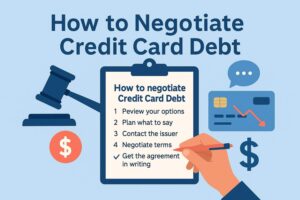
How to Negotiate Credit Card Debt A Practical, Script-Ready Guide

How to Negotiate Credit Card Debt: A Practical, Script-Ready Guide

hydro jetting cost

Hydro Jetting Cost: My Experience and What You Should Expect

How to Negotiate Credit Card Debt: A Practical, Script-Ready Guide

If you’re wondering how to negotiate credit card debt, you’re not alone—and yes, you can do a lot yourself with a phone, a plan, and a few smart scripts. In this guide I’ll show you what to prepare, what to say, and how to lock the deal in writing—plus the trade-offs to watch.

What should you do first before you call your card issuer?

Start with a quick prep checklist. List each card, balance, APR, minimum payment, and delinquency status. Decide your primary goal: lower APR, fee reversal, hardship plan (temporary relief), or a lump-sum settlement if you’re behind and can’t catch up. Leading consumer sources outline this same sequence—prep, choose an option, then call—because it matches how issuers make decisions. 

Next, verify any debt that’s already in collections. Under federal rules, collectors must send a validation notice and you generally have 30 days to dispute in writing—this protects you from paying an error and gives you leverage. 

Finally, pick the best path for your situation:

  • If you’re current but struggling: ask for a lower APR or fee waivers; some issuers also offer hardship programs with reduced rates or payments for a set period.

  • If you’re seriously behind: explore a lump-sum settlement you can actually afford—then get the terms in writing. 

What should you do first before you call your card issuer

Exactly what should you say to negotiate credit card debt?

Use a simple, respectful script and keep notes (date, name, outcome). Here’s a template you can adapt:

  • Lower APR / Payment reduction (current account):
    “I’ve been a customer for __ years. I’m experiencing a temporary hardship and need a lower APR or payment to stay current. Can you reduce my APR to __% for the next 6–12 months or place me in a hardship program?”

(Be ready to show why it helps you avoid delinquency and what payment you can sustain.) 

  • Fee reversal:
    “I had a one-time lapse. I can pay __ today if you remove the late/over-limit fee so I can get back on track.”

  • Settlement (delinquent/collections):
    “I can’t afford the full balance. Based on my budget, I can offer $__ as a lump-sum settlement. If we agree, will you confirm in writing that the account will be reported as ‘paid/settled’ and that I’ll owe no additional amount?”
    (Government guidance stresses confirming the debt and getting agreements in writing.) 

Pro tip: stay calm, repeat your request, and escalate politely to a supervisor when needed. If the answer is no today, call back; persistence often works. Even the FTC suggests you can—and should—do this yourself. 

What are your options—and what are the trade-offs?

Lower APR / Hardship program

Lump-sum settlement

  • Pros: Ends the balance quickly and may cost less than paying in full.

  • Cons: Creditor may mark the account “settled,” which can hurt your credit; forgiven debt may be taxable; never pay a third-party settlement firm upfront.

Nonprofit credit counseling / DMP

  • Pros: A counselor can help craft an affordable plan and sometimes secure fee/interest concessions.

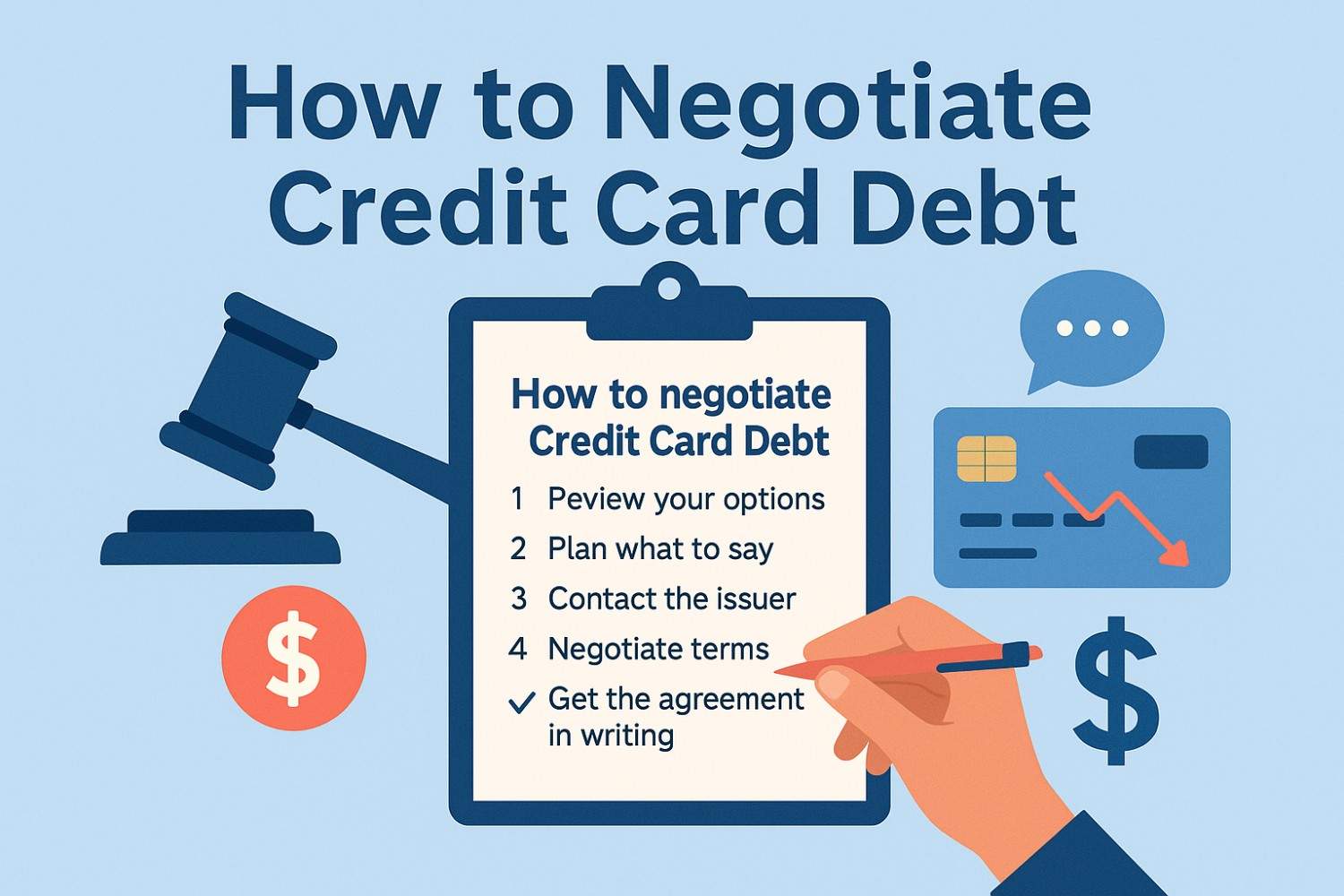
  • Cons: You must commit to a structured repayment plan; some cards may be closed. (Consider it when DIY calls stall.)

Context: Household debt is elevated in 2025, so you’re negotiating in a market where relief options are common—but documentation matters more than ever. 

How do you lock in the deal and protect your credit?

  1. Get it in writing before you pay—letter or secure message stating the amount, due dates, interest/fee terms, and how the account will be reported. Agencies and banks alike emphasize this.

  2. Pay exactly as agreed (settlements often require cashier’s checks or a one-time deadline).

  3. Monitor your credit reports 30–60 days later and dispute inaccuracies if the reporting doesn’t match the agreement. 

How do you lock in the deal and protect your credit

Frequently Asked Questions

1. Can I negotiate if my account is still current?

Yes. Ask for a rate reduction or a hardship plan to avoid falling behind. Issuers often have playbooks for temporary relief when you call with a clear budget and goal. 

2. What percentage do creditors accept for a settlement?

It varies by issuer, balance, and delinquency. There’s no universal number, but settlements typically become realistic after serious delinquency. Focus on what you can pay in one or two installments and be ready to document hardship. Always confirm the debt and the final terms in writing.

3. Will the issuer close my card if I accept hardship help or settle?

It’s possible. Hardship plans can include account restrictions, and settlements on delinquent accounts usually mean the card gets closed and might be reported as “settled.” Understand the trade-offs before you accept.

4. Should I hire a debt settlement company?

Be cautious. Regulators warn about advance-fee settlement companies and over-promising results. If you need help, consider an accredited nonprofit credit counselor instead or negotiate directly with the creditor at no cost.

So…what’s the smartest way to approach how to negotiate credit card debt?

Lead with prevention: if you’re still current, ask for a lower APR or a hardship program to keep your account healthy. If you’re behind, propose a realistic settlement you can afford once—and insist on written confirmation before you pay. Keep meticulous notes, verify any collection debt, and don’t let anyone rush you into fees you don’t need.

And if things have already escalated to legal action, know that you can sometimes get a credit card lawsuit dismissed—especially if the creditor can’t prove ownership of the debt, validate the amount, or show the required documentation. Respond promptly to the summons, request verification in writing, and consider legal advice before agreeing to anything.

Do it step by step, in writing, and on your terms. You’ve got this.

Jenna Clarke

Jenna explores how technology transforms business, productivity, and modern living. With a passion for digital transformation and innovation, she covers everything from AI tools to emerging trends. Her work empowers professionals to adopt forward-thinking strategies and thrive in the digital economy.

More From Author

ABS vs PVC

ABS vs PVC: My No-Nonsense Guide to Choosing the Right Pipe

What are some of the common marketing tactics credit card companies use to market to young adults

What are some of the common marketing tactics credit card companies use to market to young adults?