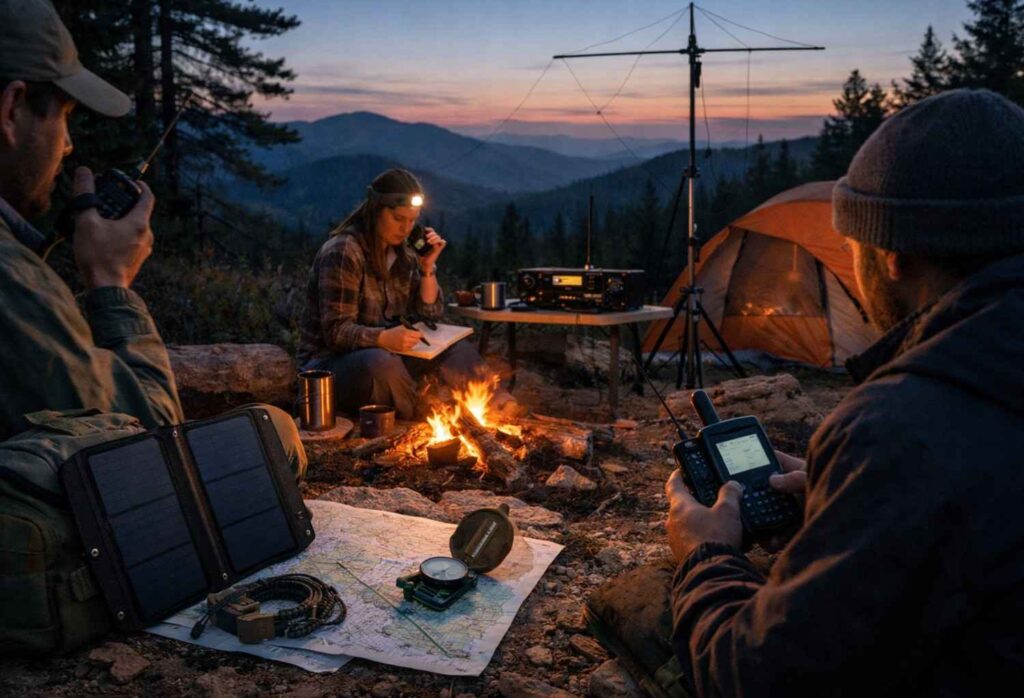
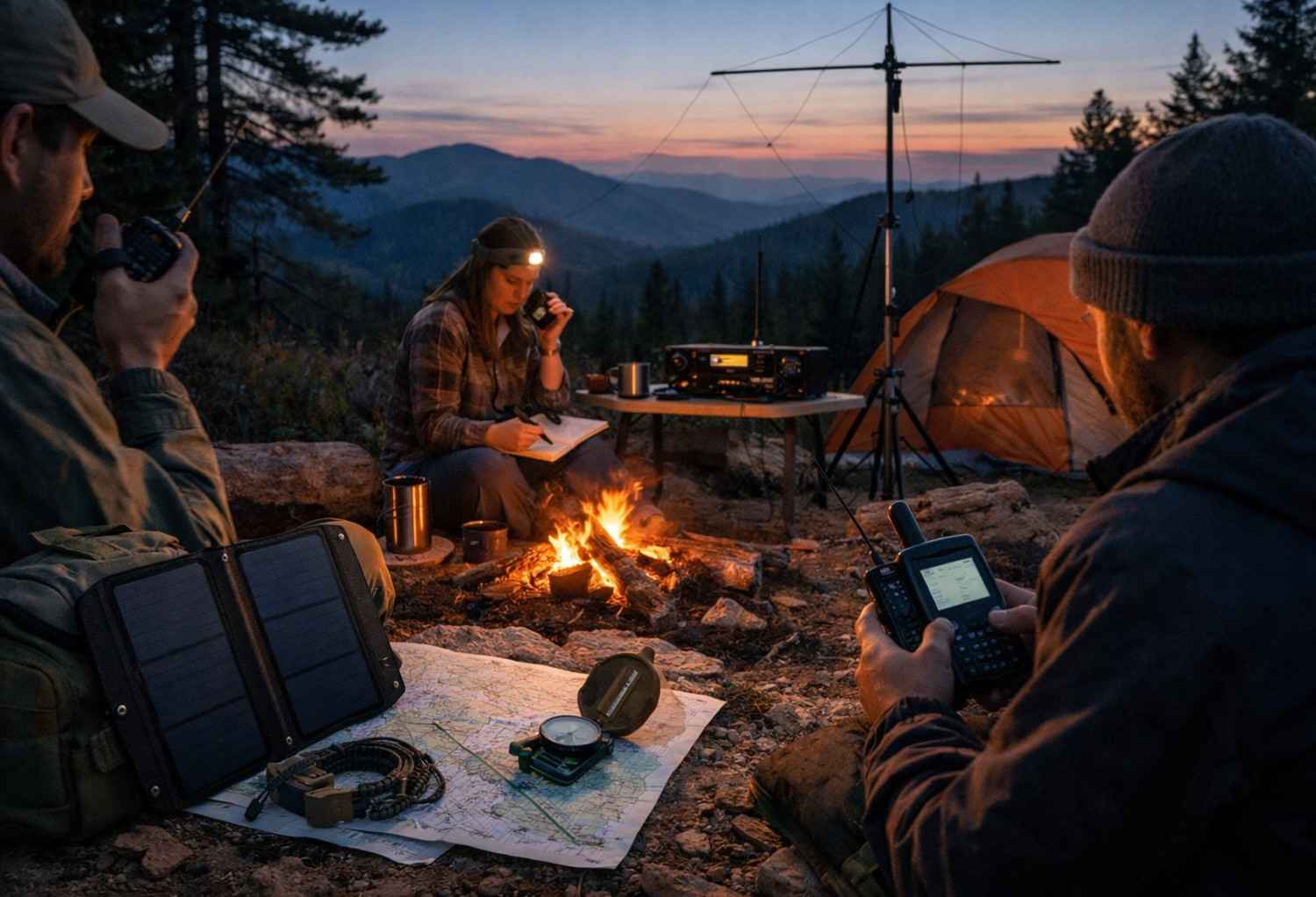
Most of us rely on cellular networks to stay connected, but what happens when there’s no signal? Remote job sites, natural disasters, and rural areas often lack reliable cell service, leaving you without a way to make calls, send messages, or access critical information. When traditional communication methods fail, having a backup plan is essential for safety, coordination, and peace of mind. This is where satellite communication tools come in.
Understanding Communication Challenges Beyond Cell Coverage
Cell tower coverage is limited, with weak or nonexistent signals common in mountains, forests, deserts, oceans, and other remote regions. Cellular infrastructure can also be damaged or overloaded during severe weather or emergencies. For those working in isolated environments—such as construction crews, emergency responders, and researchers—losing contact can create serious challenges.
The inability to request help or coordinate efforts can significantly increase risks. A backup communication system ensures that critical messages get through when conventional networks fail, supporting better decision-making in unpredictable situations.
How Satellite Communication Works
Unlike traditional mobile networks that rely on nearby towers, satellite communication uses orbiting satellites to relay signals. This enables users to communicate over vast distances, even in areas far from cellular infrastructure. While telecommunication towers in modern infrastructure play a major role in everyday connectivity, a satellite handheld radio connects directly to satellite networks, providing a connection where mobile phones cannot function.
Because the signal comes from space rather than ground-based towers, users can stay in touch across remote regions and in difficult environments. This technology is vital for people who travel or work in places where dependable communication is essential.
Benefits of Satellite-Based Communication
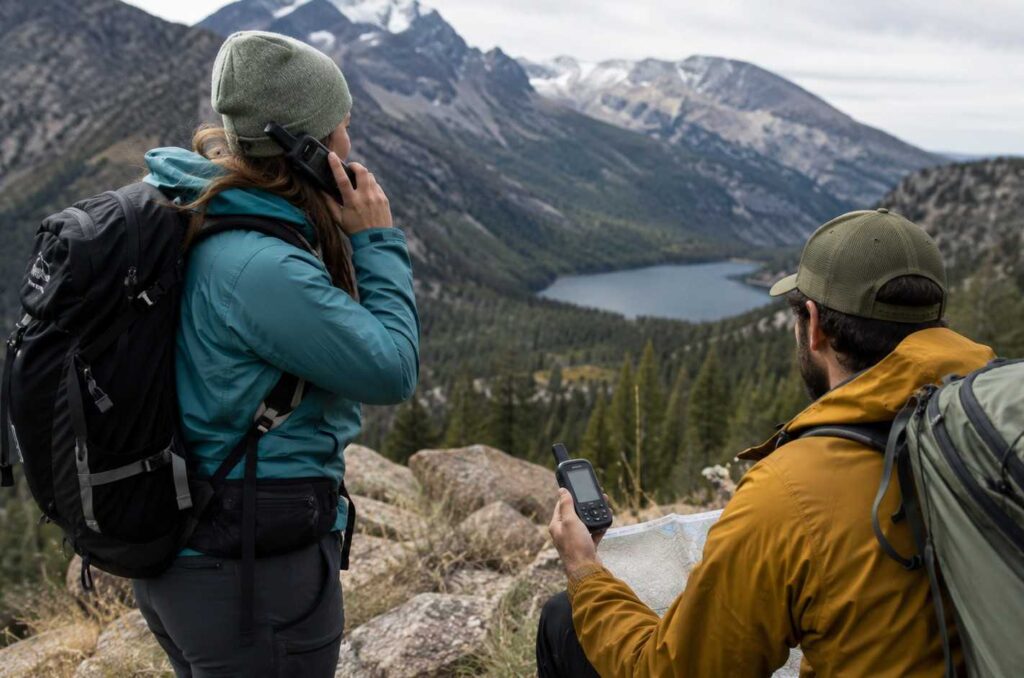
One of the biggest advantages of satellite communication is its broad coverage. Since satellites operate above the Earth’s surface, communication can often be maintained across large geographic areas.
Other benefits include:
- Improved communication reliability in remote locations
- Enhanced emergency preparedness
- Greater safety for workers and outdoor travelers
- Reduced dependence on local infrastructure
- Better coordination during disaster response situations
These advantages make satellite communication a practical solution for individuals and organizations that cannot afford communication gaps.
Situations Where Satellite Communication Can Help
There are many scenarios where satellite communication tools become extremely valuable.
Outdoor Recreation and Adventure
Hikers, campers, climbers, hunters, and explorers frequently travel into areas with limited or no cell service. Staying connected allows them to communicate with family members, coordinate with team members, and request assistance if needed. Reliable communication provides added confidence when exploring unfamiliar environments.
Emergency Response Operations
Natural disasters such as hurricanes, floods, wildfires, and earthquakes can disrupt communication infrastructure. Emergency teams often require dependable communication systems that continue operating even when traditional networks fail. Satellite-based solutions help responders coordinate efforts and share critical information during emergencies.
Remote Work Environments
Workers in remote industries often face communication challenges due to their location. Construction sites, mining operations, forestry projects, and research expeditions may operate far from cellular coverage. In these situations, communication tools that function independently of cell towers can improve productivity, safety, and operational efficiency.
Choosing the Right Communication Equipment
When choosing communication equipment, consider your specific environment and needs. Key factors in your decision should include coverage area, battery life, durability, and ease of use. It’s also wise to explore complementary technologies, like a two-way satellite radio, for expanded capabilities. Understanding the available options ensures your choice aligns with operational requirements.
Durability is especially important for devices used outdoors or in demanding work environments, as they need to withstand weather, dust, moisture, and rough handling. Selecting rugged equipment helps ensure consistent performance when it matters most.
Preparing Before You Lose Service
One of the most effective ways to stay connected is to prepare before entering areas with limited coverage.
Some useful preparation steps include:
- Testing communication equipment before departure
- Ensuring batteries are fully charged
- Carrying backup power sources
- Understanding device operation and emergency features
- Sharing travel or work plans with trusted contacts
- Establishing communication schedules when possible
Proper preparation reduces uncertainty and helps you maintain communication during unexpected situations. For users who need data access in addition to voice communication, a portable satellite internet solution can be a useful tool. Combining the right communication tools with thorough planning creates a comprehensive approach to staying connected.
The Future of Reliable Communication

As technology evolves, communication options for remote and underserved areas are becoming more advanced and accessible. Satellite networks are expanding, equipment is more portable, and capabilities continue to improve. Despite these advancements, the core need remains the same: reliable communication when traditional networks are unavailable.
Whether for safety, business, emergency preparedness, or outdoor recreation, dependable connectivity is a valuable resource. A satellite handheld radio offers an effective way to maintain communication when cell service disappears. Investing in reliable communication tools helps individuals and organizations stay connected and prepared, no matter where their activities take them.
Conclusion
Losing cell service doesn’t have to mean losing touch. With the right technology and planning, you can stay connected even in the most remote environments. Satellite communication provides reliability, safety, and peace of mind when traditional networks fail. For anyone who works, travels, or explores beyond cellular coverage, having a dependable communication backup makes all the difference.