
As we navigate the later stages of life, the desire to remain in our own homes—a concept known as “aging in place”—often becomes a primary goal. Staying in familiar surroundings allows seniors to maintain their independence, dignity, and connection to their community.
However, a home that was perfectly functional in one’s 40s may present significant challenges in one’s 70s or 80s. By implementing thoughtful modifications and proactive upgrades, homeowners can create a living environment that is safe, accessible, and supportive of changing physical needs.
Enhancing Bathroom Safety
The bathroom is frequently cited as one of the most hazardous rooms in the home due to slippery surfaces and restricted layouts. To mitigate the risk of falls, several key upgrades should be prioritized. Installing grab bars near the toilet and inside the shower provides essential stability.
These bars should be securely anchored to the wall to support a person’s full weight.
Transitioning to a walk-in shower with a low or zero-threshold entry can eliminate the danger of tripping over a high bathtub edge. Adding a built-in shower seat and a handheld showerhead further enhances comfort and control for those with limited mobility.
Additionally, replacing traditional flooring with slip-resistant materials and installing a raised toilet seat can significantly reduce physical strain and improve daily safety.
Improving Visibility and Lighting
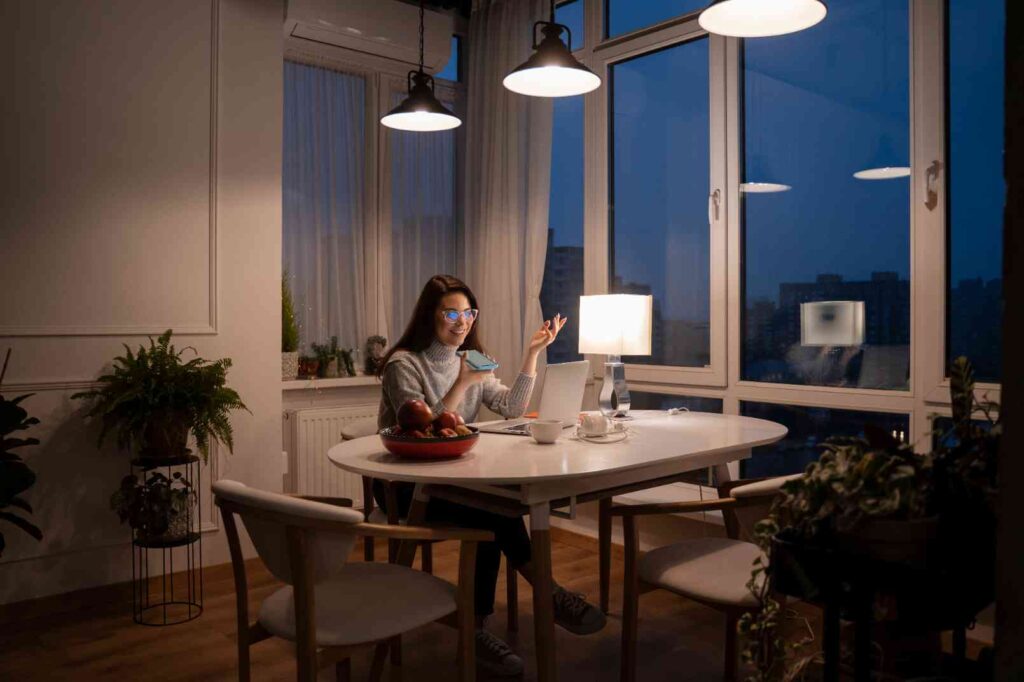
Vision naturally changes with age, making proper illumination a critical factor in fall prevention. Dimly lit hallways, staircases, and entryways are common sites for accidents. Upgrading to brighter, more consistent lighting throughout the home is a simple yet effective modification.
Task lighting is particularly useful in areas where activities like cooking, reading, or medication management occur. For nighttime safety, motion-sensor lights and strategically placed nightlights in bathrooms and bedrooms ensure that paths are illuminated without the need to fumble for switches in the dark.
Furthermore, replacing standard toggle switches with rocker-style switches can make it easier for those with arthritis or limited hand strength to operate lights comfortably.
Good lighting is one of the easiest upgrades to overlook, yet it can make a major difference in everyday safety. Homeowners planning brighter rooms, safer hallways, or better task lighting can also see premier lighting stores for ideas on choosing practical lighting solutions.
Kitchen Accessibility and Functionality

The kitchen remains the heart of the home, but it often requires adjustments to remain functional for seniors. One of the most impactful changes is reorganizing storage so that frequently used items—such as heavy pots, daily dishes, and pantry staples—are kept between waist and shoulder height.
This reduces the need for excessive bending, reaching, or climbing on step stools.
Incorporating pull-out shelves or “lazy Susans” into lower cabinets makes items more accessible. In terms of hardware, replacing traditional round knobs with lever-style handles on faucets and cabinets allows for easier operation.
For those using wheelchairs, lowering a portion of the countertops can provide a more comfortable workspace for meal preparation.
Mobility, Layout, and Vertical Access
Maintaining clear pathways is essential for safe navigation, especially if walkers or wheelchairs are utilized. Removing clutter, securing loose rugs with non-slip backing, and ensuring that furniture is arranged to allow for wide, unobstructed aisles are vital steps.
If possible, widening doorways to at least 32 inches can facilitate easier movement between rooms.
For multi-level homes, the stairs can eventually become a significant barrier to independence. While moving a bedroom to the main floor is one solution, many homeowners prefer to maintain access to all levels of their property.
Installing stair lifts or looking into affordable home elevators in Boise, ID, can provide a safe and convenient way to travel between floors without the risk of a fall.
The Role of Smart Technology
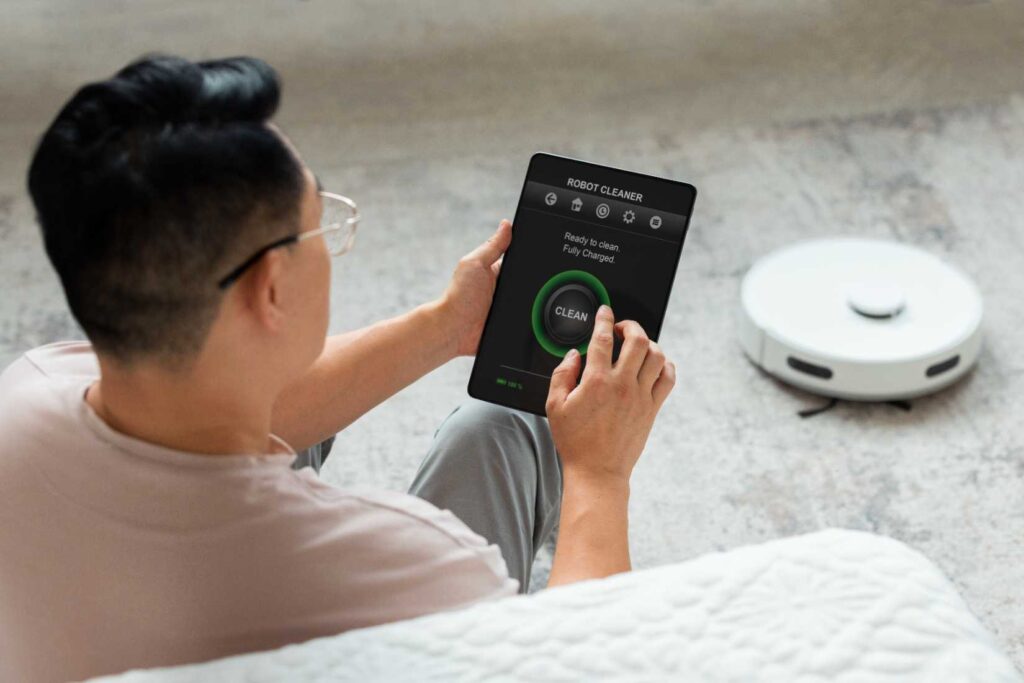
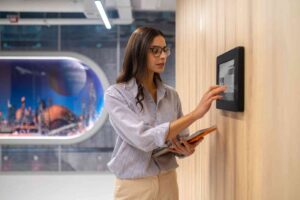
Modern technology offers innovative solutions for seniors aging in place. Smart home devices, such as voice-activated assistants, can be programmed to set medication reminders, make hands-free phone calls, or control lighting and thermostats.
Video doorbells and smart locks provide an added layer of security, allowing residents to see and communicate with visitors without having to walk to the door. Personal emergency response systems (PERS) are also invaluable, providing a direct line to assistance in the event of an accident.
Smart devices work best when they are supported by strong connectivity, especially for emergency alerts, video doorbells, voice assistants, and remote monitoring tools. the telecommunications towers can help homeowners see how reliable communication networks support safer, more connected aging-in-place solutions.
In Conclusion
Aging in place is a journey that requires foresight and planning. By conducting a thorough safety assessment and implementing these simple home upgrades, seniors can ensure their living space remains a sanctuary of comfort and independence.
Whether it is a small change like a new nightlight or a larger project like a bathroom remodel, these modifications provide peace of mind for both seniors and their families for years to come.