classaquitatui, vip touti, harem curitiba, acompanhantes tatui, classeaquitatui, acompanhantes boituva, classitatui, acompanhante tatui, classiaqui, acompanhante votorantim, touti, classiaqui tatui, acompanhante tatuí, acompanhantes em itapetininga, photo acompanhante itapetininga, harem 69, harem69, acompanhante cerquilho, photoac9mp, acompanhantes votorantim, acompanhantes tatuí, photoacompanhante americana, acompanhantes em tatui, acompanhante programa, garota de programa tatui, acompanhantes em boituva, photoacomp americana, acompanhante em boituva, acompanhantes de itapetininga, acompanhante em tatuí, sara e eloá, trepada gostosa, menina de programa, acompanhantes em tatuí, photo acompanhante tatui, acompanhantes cerquilho, classiaquitatui, acompanhante em tatui, garota de programa boituva, garota de programa de tatuí, classiaqui itapetininga, acompanhantes trans americana, acompanhantes em cerquilho, foto acompanhante itapetininga, acompanhante de luxo itapetininga, photoacompanhante tatui, akemi pelada, garota de programa tatuí, classiaqui tatuí, garota de programa em itapetininga, acompanhantes de tatui, sexo tatui, brenda porno, harem 69 sorocaba, acompanhante de tatui, photoqcompanhantes, putas tatui, garotas de programa tatui, acompanhante em cerquilho, photoacompanhantes itapetininga, acompanhantes porto feliz, foto de buceta fake, photoacompanhante boituva, acompanhante de tatuí, acompanhantes em porto feliz, putas em tatui, garota de programa de tatui, brenda campos nua, foto de buceta de mulher, massagem erotica sorocaba, classi aqui tatui, photo acompanhante boituva, photo acompanhantes itapetininga, garota de programa de porto feliz, photoacompanhantes tatui, garota de programa em cerquilho, acompanhantes de boituva, haren curitiba, acompanhante tiete, dani lopes nua, garota com local tatui, garota de programa votorantim, garota de programa em tatuí, acompanhante de luxo tatui, haren69, garota de programa em tatui, acomp tatui, transex itapetininga, garota de programa cerquilho, modelo julinha pelada, acompanhante tietê, classi aqui tatuí, garotas de programa boituva, garota com local itapetininga, putas de itapetininga, mineirinha nua, acompanhante serena, garotas de programa de tatui, acompanhanates tatui, acompanhante trans tatui, acompanhantes de primavera, fatui, acompanhantetatui, putas de tatui, acompanhantes de tatuí, acompanhantes trans tatui, classiaqui votorantim, travesti sorocaba classiaqui, tatu na bunda, sexo itapetininga, acompanhanate tatui, harem acompanhantes, photo acompanhante jp, garotacomlocal.com, mulher gato sex, garotas de programa em tatuí, garota de programa em votorantim, mulher de programa itapetininga, punheta guiasa, classiaqui boituva, putas em boituva, tagui, putas boituva, garotas com local tatui, garoto de programa tatui, garotas de programa votorantim, garotas de programa em votorantim, sexo casual em sorocaba, acompanhante de luxo em itapetininga, aconpanhantes itapetininga, putas votorantim, acompanhantes de votorantim, garota programa cerquilho, foto de buceta gostosa, acompanhantes itapetininga sp, acompanhantes laranjal paulista, acompanhantes em tiete, garota de programa de votorantim, garotas de programa em pinda, app de acompanhantes, garota de programa de cerquilho, 69 de ladinho, mulher de programa de itapetininga, putas em tatuí, acompanhante tatuada, harém 69, classeaquisorocaba, foto de bct rosa, garota com local tatuí, tati dias nua, acompanhantes de luxo tatui, classeaqui, classi aqui sorocaba, yasmin mayla, acompanhante laranjal paulista, putas em votorantim, sexo em tatui, garotas de programa de tatuí, fatalmodel itapetininga, photo acompanhantes jp, buceta rosa foto, acompanhante de luxo em tatuí, garotas c local, garotas de programa tatuí, harem acompanhante, photoacomoantes, classeaqui sorocaba, photo acompanhante votorantim, garota programa boituva, fotos fake de buceta, garota de programa videos, garota de programa em tietê, acompanhante fisting, acompanhante de luxo de tatuí, acompanhantes jp trans, bucetas casadas, acompanhantes casual, acompanhante de luxo tatuí, fazendo 69 gostoso, leticia gabriela nua, garota programa tatui, acompanhantes adulto, haren 69 sorocaba, porno taldaloira, acompanhante classiaqui, foto acompanhante tatui, aconpanhante tatui, photo acompanhantes tatui, acompanhante cesario lange, classaqui tatui, aconpanhantes tatui, mulher de programa de tatuí, acomoanhantes tatui, sexo tatuí, foto acompanhante tatuí, photo acompanhante tatuí, classi adulto tatui acompanhantes, acompanhamtes tatui, acompanhantes trans tatuí, putas de tatuí, acompanhante tatui trans, acompanhantes cesario lange, photoacompanhante cerquilho, photoacomp tatui, acompanhanates tatui, acompanhantes tatui trans, acompanhante cesário lange, tatui acompanhantes, gp em tatui, acompanhantes tatui sp, puta de luxo tatui, acompanhantes tarui, acompanhante luxo tatui, acompanhantes harem, acompanhantes trans em tatui, acompanhantes de luxo cerquilho, photo acompanhantes tatuí, acompanhante tarui, mulheres de programa de tatuí, classiaq tatui, acomoanhante tatui, acompanhamte tatui, acompanhantes cesário lange, acompanhantes de luxo tatuí, acompanhanates de tatui, acompanhantes de luxo em tatuí, mulheres de programa de tatui, acompanhanate tatuí, photoacompanhantes tatuí, mulheres de programa tatui, acompanhantes em tatui sp, sexo em tatuí, acompantes tatui, garota de progama tatui, photoacompanhantestatui, aconpanhantes de tatui, acompanhantes ta, acompnhantes tatui, acompanhante.tatui, gp em tatuí, classeaqui tatui, acompahantes tatui, transex tatui classi, garotas de luxo tatui, garota de programa tatui class aqui+18, garotas de tatuí, garotas em tatui, garotas em tatuí, garota de programa tatui classi, garota de programa tatui class aqui, tatui photoacompanhantes, acompanhante tatui agora, acoponhate garota de programa de tatuí, gp classiaqui tatuí, garotas de tatui, ruiva acompanhante tatui, aconpanhantes em tatuí, classiaqui de tatui, garotas gp tatui, astigmatismo, gerarboletimunificadoexterno, astigmatismo o que é, estigmatismo, o que é astigmatismo, miopia e astigmatismo, photoackmpa, arquidimatismo, larcrm7, sintomas de astigmatismo, o'que é astigmatismo, astigmatismo sintomas, astigmatismo visao, visão de quem tem astigmatismo, hipermetropia e astigmatismo, visão astigmatismo, aquidimatismo, astigmatismo tem cura, miopia e astigmatismo juntos, o que é astigmatismo na visão, astenopia, estigmatismo significado, o que é estigmatismo, visão com astigmatismo, como uma pessoa com astigmatismo enxerga, visão de astigmatismo, o que astigmatismo, astigmatism, miopia astigmatismo, o que e astigmatismo, astigmatismo como enxerga, astigmatismo pode cegar, tratamentos para astigmatismo, teste de astigmatismo, como enxerga uma pessoa com astigmatismo, oq e astigmatismo, miopia e astigmatismo tem cura, o que significa astigmatismo, quem nao enxerga de perto tem oq, graus de astigmatismo, astigmatismo: como enxerga, astigmatismo significado, lente astigmatismo, astigmatismo olho torto, visão astigmatismo miopia, astigmatismo luz, miopia astigmatismo e hipermetropia, estigmatismo ou astigmatismo, oq é astigmatismo, astigmatismo e miopia juntos, astigmatismo é perto ou longe, astigmatismo causas, olho com astigmatismo, teste astigmatismo, visão de quem tem miopia e astigmatismo, visão de uma pessoa com astigmatismo, astigmatismo irregular, astigmatismo o que causa, o'que e astigmatismo, astigmatismo e miopia diferença, astigmatismo visão, o que causa astigmatismo, sintomas astigmatismo, hipermetropia e astigmatismo juntos, o que é astigmatismo no olho, astigmatismo miopia e hipermetropia, como saber se tenho astigmatismo, visao astigmatismo, quem nao enxerga de longe tem oq, astigmatismo é longe ou perto, astigmatismo é miopia, o que é astigmatismo e miopia, astigmatismo lente, como pessoas com astigmatismo enxergam, astigmatismo longe ou perto, eixo do olho, oculos astigmatismo, astigmatismo tratamento, o que é hipermetropia e astigmatismo, óculos para astigmatismo, sintomas do astigmatismo, miopia e astigmatismo juntos pode cegar, astigmatismo alto, astigmatismo ou estigmatismo, astiguimatismo, astigmatismo é para perto ou longe, visão de quem tem astigmatismo e miopia, tipos de astigmatismo, estigmatismo o que significa, quem tem astigmatismo pode usar lente, visão do astigmatismo, astigmatismo perto ou longe, astigmatismo no olho, miopia ou astigmatismo, o que é astigmatismo nos olhos, como enxerga quem tem astigmatismo, astigmatismo a noite, astigmatismo e hipermetropia juntos, eixo astigmatismo, visao de astigmatismo, visao astigmatismo a noite, como enxerga uma pessoa com astigmatismo e miopia, astigmatismo olho, estigmatismo o que é, stigmatismo, visao de uma pessoa com miopia e astigmatismo, astigmatismo luz a noite, visao de quem tem astigmatismo, astigmatismo eixo 180, eixo no exame de vista, oque é astigmatismo, eixo exame de vista, problema de vista astigmatismo, o'que significa eixo no exame de vista, o'que astigmatismo, astigmatismo o'que é, visão com miopia e astigmatismo, miopia com astigmatismo, astigmatismo é grave, astigmatismo oculos, 1 grau de astigmatismo é muito, anisometropia tem cura, visao com astigmatismo, problema de visão astigmatismo, o que causa o astigmatismo, o que significa astigmatismo no olho, óculos com eixo errado sintomas, astigmatismo regular, o'que significa astigmatismo, astigmatismo é para longe ou perto, causas do astigmatismo, astigmatismo pode diminuir, pessoa com astigmatismo, sigmatismo no olho, olho astigmatismo, astigmata, o que é astigmatismo?, astigmatismo como se ve, o que é astigmatismo ocular, astigmatismo ocular, imagem astigmatismo, quem tem astigmatismo, oque e astigmatismo, o que o astigmatismo causa, o que é astigmatismo na vista, pessoas com astigmatismo, vista com astigmatismo, imagem de astigmatismo, astigmatismo miópico, problema no olho astigmatismo, o'que causa astigmatismo, problemas de visão astigmatismo, astigmatismo imagem, astigmatismo nos olhos, como tratar astigmatismo, astigmatismo é de longe ou perto, astigmatismo o que e, esquematismo no olho, o que significa estigmatismo, astigma, significado de astigmatismo, o que estigmatismo, astigmatismo é doença, o que e astigmatismo e miopia, como funciona o astigmatismo, o astigmatismo, astigmatismo olhos, que es astigmatismo, tratamento para astigmatismo, como diminuir o astigmatismo naturalmente, olho de quem tem astigmatismo, o que e estigmatismo, astigmatismo deixa vesgo, como corrigir astigmatismo, astigmatismo como é, o'que é astigmatismo no olho, astigmatismo como tratar, astigmatismo foto, astigmatismo que es, como melhorar o astigmatismo, visao do astigmatismo, astigmatismo obliquo, astigmat, olhos com astigmatismo, como se escreve astigmatismo, astigmatismo infantil tem cura, estigmatismo tem cura, como curar astigmatismo, como é astigmatismo, astigmatismo e estigmatismo, o'que é astigmatismo resumo, astigmatismo vista, o que astigmatismo causa, o que significa astigmatismo nos olhos, astigmatismos, astigmatismo hipermetrópico, google o que é astigmatismo, causa do astigmatismo, oq é estigmatismo, definição de astigmatismo, o que é estigmatismo no olho, astigmatismo imagens, estigmatismo e astigmatismo, astigmatismo é uma doença, astigmatismo é, como corrigir o astigmatismo, que é astigmatismo, astigmatismo regular assimétrico, astigmatismo oq e, esquematismo nos olhos, como diminuir o astigmatismo, astigmatismo correção, o que quer dizer astigmatismo, astigmatismo miopico, oq e estigmatismo, astigmatismo o que significa, o'que causa o astigmatismo, o'que astigmatismo ocular, doença no olho astigmatismo, o que é astigmatismo irregular, como melhorar o astigmatismo naturalmente, oque é estigmatismo, astigmatismo forte, astigmatismo assimétrico, como melhorar astigmatismo, correção de astigmatismo, definição de astigmatismo, astigmatismo como corrigir, como curar o astigmatismo, imagens de astigmatismo, visao com astigmatismo e visao normal, e astigmatismo, astigmatismo de longe, magmatismo no olho, estigmatismo visão, o que causa astigmatismo nos olhos, sintomas de astigmatismo alto, imagens astigmatismo, astigmatismo o'que causa, doença do olho astigmatismo, estimativo no olho, olhos astigmatismo, astigmatismo doi o olho, pessoa que tem astigmatismo, correção astigmatismo, astigmatismo infantil regride, colírio para astigmatismo, o.que é astigmatismo, magnetismo no olho, astigmatismo irregular assimétrico, doença astigmatismo, astigmatismo aumenta com a idade, astigmatismo tem cura natural, doença dos olhos astigmatismo, como tratar o astigmatismo, como diminuir o grau de astigmatismo, qual a causa do astigmatismo, doenças dos olhos astigmatismo, astigmatismo fotos, causas astigmatismo, astigmatismo oblíquo, astigmático, como curar astigmatismo naturalmente, astigmatismo características, astigmatismo fisica, astigmatismo alto sintomas, doenças do olho astigmatismo, astigmatismo longe, astigmatismo o que é?, astigmatismo o que é isso, o que que é estigmatismo, astigmatismo hipermetrópico composto, cura astigmatismo, astigmatismo resumo, astigmatismo hipermetropico, características do astigmatismo, astigmatismo oque e, correção do astigmatismo, o que significa astigmatismo na visão, astigmatismo o que, melhor colírio para astigmatismo, qual o tratamento para astigmatismo, como ocorre o astigmatismo, astigmatismo desenho, visao com astigmatismo e sem, tudo sobre astigmatismo, matismo significado, a correção para o astigmatismo pode ser feita por, estigmatismo ou astigmatismo significado, esquematismo ocular, sigmatismo nos olhos, causas de astigmatismo, sigmatismo olhos, visão de um astigmata, quem tem astigmatismo é, o que é artigo matismo, local de projeção da imagem do olho com astigmatismo, o que é astigmat, astigmatismo na infância tem cura, visao do astigmata, estigmatismo é grave, roda do astigmatismo, olho com astigmatismo local de projeção da imagem, astigmatismo diminui com a idade

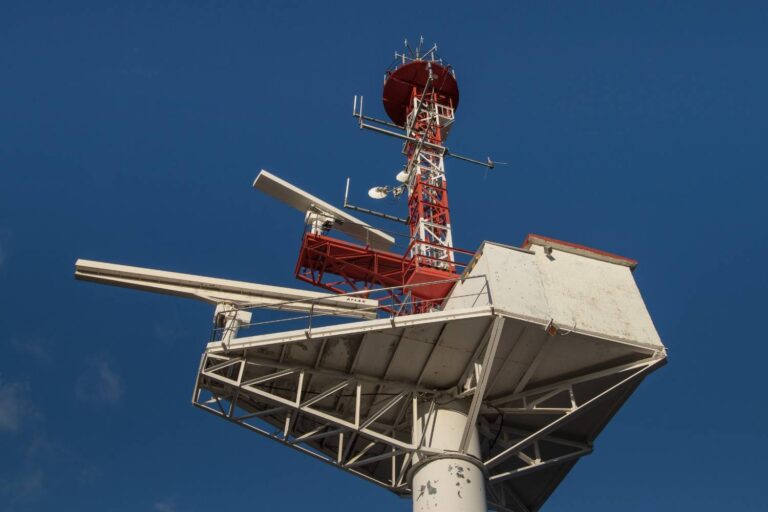
Elevating Connections: Understanding the Role of Telecommunications Towers in Modern Infrastructure

In the modern landscape, telecommunications infrastructure has become as crucial as roads and electricity. At the heart of this intricate web are telecommunications towers, which form the backbone that connects rural areas with bustling cities and links businesses with their clients, irrespective of their geographical locations.

The Advent of Telecommunications Towers

The Advent of Telecommunications Towers

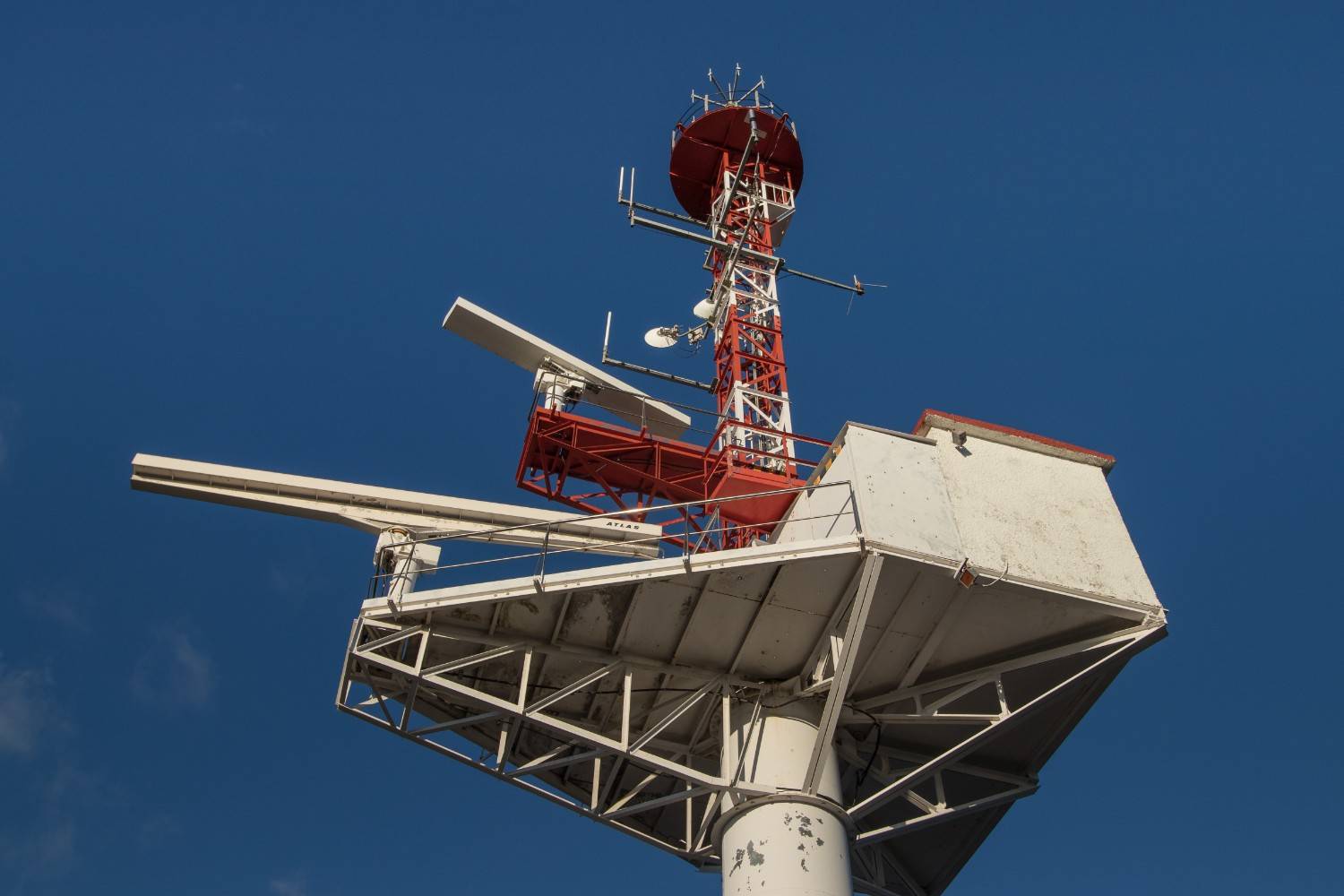
Since the advent of the telephone, there has been a continual evolution in the means by which we connect. Today, telecommunications towers, also known as masts or antennae towers, are vital structural components that support antennae and other communication equipment. They facilitate a plethora of services including mobile telephony, broadcasting, and broadband connectivity.

The Multifaceted Aspects of Telecommunications Towers

Modern infrastructure relies on a complex network of these towers to ensure the clear transmission of signals over vast distances. Multiplied across regions, the collective strength of these towers ensures a seamless flow of communication, critical for both personal and commercial engagements. Functionality, coverage, and reliability are the core aspects where these towers play a pivotal role.

Structural Design and Location

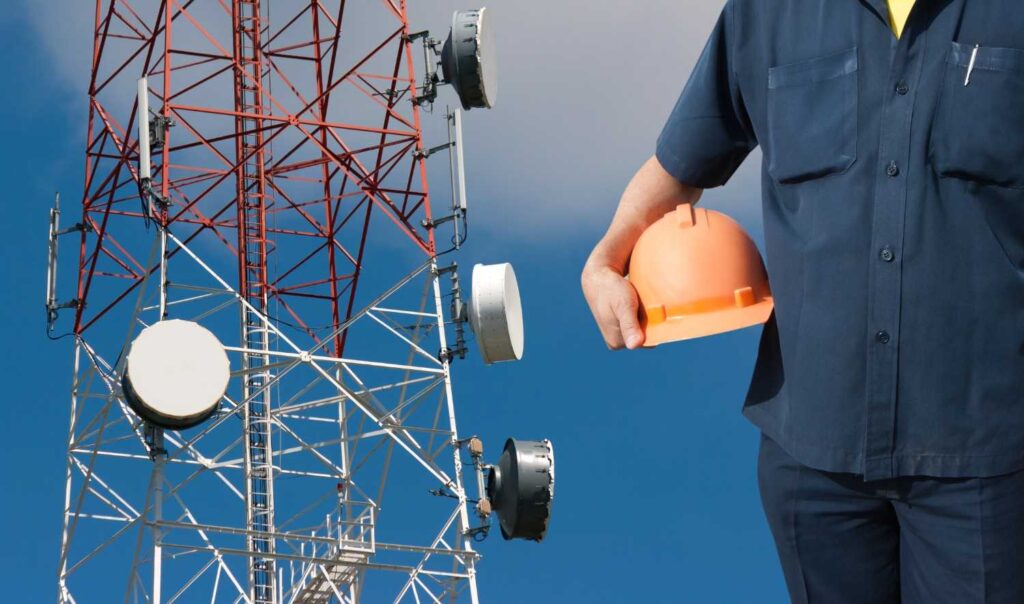
The geographical placement and structural design are integral to the functionality of the telecommunications tower. Height and strength enable it to withstand adverse weather conditions, while location ensures optimal signal distribution. These strategic sites are chosen following extensive research to cover gaps in network coverage and offer a dependable communications link.

Enhancing Network Coverage

Every telecommunications tower erected brings with it the promise of wider network coverage and reinforced signal strength. Regardless of the topography, towers are designed to extend the reach of the network, bringing individuals and enterprises closer than ever before in instantaneous communication.

The Economic Impact of Telecommunications Infrastructure

The provision of robust telecommunications infrastructure, including towers, has a significant economic impact. With enhanced connectivity, businesses can operate more efficiently, tap into new markets, and employ remote working options – all contributing to economic development and progress.

Tech Advancements and Future Prospects

As technology evolves, so too do telecommunications towers. With the advent of 5G and the Internet of Things (IoT), the demand for higher-capacity towers is on the rise. The expansion of smart cities, automation, and advanced manufacturing sectors — including growth in the robotic welding market — further increases the demand for reliable, high-speed connectivity.

Industrial robotics, AI-driven systems, and cloud-based platforms rely heavily on stable network infrastructure, making telecommunications towers central to supporting these next-generation industries.

The future of these structures is geared towards accommodating an ever-growing array of devices and increasingly data-intensive applications.

Eco-Conscious Towers
Eco-Conscious Towers

As the world becomes more environmentally conscious, so does the approach towards building and maintaining telecommunications infrastructure. Towers are now designed with the environment in mind, with solutions being innovated to minimise their ecological footprint and harmonise with their surroundings.

The Technological Pivot

The transformative role that telecommunications towers play in the technological pivot of modern infrastructure is undeniable. They are the physical representation of our societal shift towards an interconnected digital realm where staying connected is not just ideal – it’s imperative.

Safety and Regulation

The construction and operation of telecommunications towers are heavily regulated to safeguard public health and safety. Technical specifications, routine inspections, and maintenance are part of a rigorous framework ensuring these structures can perform their critical function without causing harm.

Community Integration

Despite the technical nature of telecommunications towers, their integration into communities is carefully managed. Through public consultations and planning permissions, tower developers work to ensure they are an accepted and beneficial part of the local infrastructure landscape.

Overcoming Challenges

One of the challenges in the expansion of telecommunications tower networks involves the balance between technology and aesthetics. Tower designers use camouflage and other techniques to blend these structures within their environments, thereby addressing community concerns and safeguarding visual landscapes.

Network Redundancy and Reliability

Network redundancy is another element in which telecommunications towers make a fundamental difference. By ensuring there are overlapping ranges of coverage, service providers offer reliability, maintaining connectivity even if one tower experiences issues.

Supporting Emergency Services

Telecommunications towers are integral in supporting emergency and public safety communications. They provide the robust network necessary for first responders and disaster management teams to coordinate effectively during crises.

The Way Forward with Telecommunications Towers

The Way Forward with Telecommunications Towers

Looking forward, telecommunications towers will continue to evolve and expand, supporting the wave of innovation that sweeps the digital communications landscape. With challenges like network saturation and the need for more sustainable practices, the industry is driven to find forward-thinking solutions.

A Connected Future

In conclusion, telecommunications towers are much more than metal structures; they are the pillars of our digitised society — a society in which every text, call, and byte of data is channelled along a network that emanates from these towering sentinels. Ensuring the continuation and advancement of these networks is foundational to meeting the demands of a rapidly advancing digital world and essential for maintaining the global connectivity that defines today’s society.

By scrutinising and understanding the role of the telecommunications tower in modern infrastructure, we can appreciate not only its current importance but also its potential to support future technologies and innovations that will continue to elevate connections worldwide.

Jenna Clarke

Jenna explores how technology transforms business, productivity, and modern living. With a passion for digital transformation and innovation, she covers everything from AI tools to emerging trends. Her work empowers professionals to adopt forward-thinking strategies and thrive in the digital economy.

More From Author

Meet Your Skin's New Best Friend The Dermal Clinician

Meet Your Skin’s New Best Friend: The Dermal Clinician

Guide to Sydney's Premier Lighting Stores

Brightening Your Space: A Guide to Sydney’s Premier Lighting Stores

How to Connect Hisense TV to WiFi Without Remote

Getting your Hisense smart TV connected to WiFi when you don’t have the remote can seem like a puzzle—but it doesn’t have to be. Whether the remote is lost, broken, or simply not handy, there are several reliable ways to get your TV online and streaming. With a few creative alternatives like a USB keyboard, Ethernet cable, or even your smartphone, you can still take full control of your Hisense TV’s settings. The key is knowing which method fits your situation best and how to use it effectively. Below, I’ll walk you through each option step by step, highlight the pros and cons, and answer common questions to make the process as smooth as possible.

Why this matters

Connecting your Hisense TV to WiFi unlocks the full range of smart-features: streaming apps, software updates, voice control, and remote-app support. But when you don’t have a remote, the default path (Settings → Network → Wireless) is harder. Knowing how to connect Hisense TV to WiFi without a remote ensures you’re still in control.

Method 1: Use a USB Keyboard or Mouse

Method 1 Use a USB Keyboard or Mouse

Many Hisense smart TVs include one or more USB ports and support plug-and-play keyboards or mice. This is often the quickest way to navigate menus without a remote.

  1. Power on the Hisense TV.

  2. Plug a wired USB keyboard (or a USB mouse) into the TV’s USB port.

  3. Use the keyboard arrows (or mouse) to navigate: go to Settings → Network (or Network & Internet) → Wireless.

  4. Select your WiFi network, input the password, then confirm Connect.

Why it works: The USB device acts as an input so you can control the on-screen keyboard. Support for this method is confirmed in user reports. 

Limitations: On very basic models you might still struggle with the on-screen keyboard or there may be no full navigation support.

Method 2: Use an Ethernet Cable First

If your TV has a LAN (Ethernet) port, you can bypass WiFi setup initially and still get internet access—and then switch to WiFi later via a mobile app or remote-app.

  1. Locate the Ethernet port on the back of the Hisense TV.

  2. Plug one end of a standard router-to-TV Ethernet cable into the router and the other into the TV’s LAN port.

  3. The TV should detect the wired connection and go online automatically.

  4. Once connected, install the Hisense remote app (see next method) or navigate the Settings to switch from wired to wireless.

Why it works: This method doesn’t require navigating WiFi menus immediately and gets your TV connected. One Reddit user reported success this way:

Plugged in an Ethernet cable… then used the Roku app on my phone as a remote.
Limitations: You’re wired instead of wireless (which may not be ideal if the router is far away). Also you may still need a way to access menus for switching to WiFi.

Method 3: Use a Smartphone App (After Connection)
Method 3 Use a Smartphone App (After Connection)

Once your TV is online (either via Ethernet or via USB keyboard input), you can use a mobile app to navigate menus and connect to WiFi.

  1. On your smartphone, install the official Hisense remote app (for example “RemoteNOW” or “VIDAA Smart TV” depending on model).

  2. Ensure the smartphone and TV are on the same network (wired or wireless).

  3. Open the app and follow the on-screen pairing process (you may see a PIN displayed on the TV and must enter it on the phone).

  4. Use the app’s navigation to go to Settings → Network → Wireless, select your WiFi network, enter the password, and connect.

Why it works: The remote app mimics the physical remote and allows full menu access once your TV is online. 

Limitations: The smartphone app only works if the TV is already connected to a network (wired or previously WiFi). If it’s completely offline and you can’t navigate menus, you’ll need one of the other methods first.

Method 4: Use Physical Buttons on the TV (Limited)
Method 4 Use Physical Buttons on the TV (Limited)

Some Hisense TVs include physical control buttons (on the side or back) including power, volume, input and occasionally menu-navigation. This may help you navigate to the WiFi screen—but this method is often limited.

  1. Power on the TV using the physical button.

  2. Use the “Menu” or “Settings” button (if present) to access network settings.

  3. Navigate using volume or input buttons to select Network → Wireless, then choose your WiFi network and enter password.

Why it works: It may function on older or higher-end models that include full navigation buttons.

Limitations: Many modern TVs have minimal buttons (e.g., only power) and no way to input text or navigate far. One expert advising users said: “Without a remote… not possible on models with only the power button.” 

Comparison Table: Methods at a Glance

Method Ease Requires Extra Device Best When… Drawbacks
USB Keyboard/Mouse High Wired USB keyboard/mouse You have USB-ports and can plug in quickly Requires text input; may still need some arrows
Ethernet Cable High Standard Ethernet cable You just want basic internet access Wired; may still require menu access for WiFi switch
Smartphone App Medium Smartphone + compatible app TV already has network access Doesn’t work if TV is fully offline
Physical Buttons on TV Low-Medium None TV has full menu/navigation buttons Rarely works for entering text; many TVs limited buttons

Step-by-Step: Recommended Order

Step-by-Step Recommended Order

  1. Check USB ports on your TV. If you have a keyboard/mouse you can plug in, start with Method 1.

  2. If USB input isn’t possible or practical, use an Ethernet cable (Method 2) to get the TV online.

  3. Once online, install the Hisense remote app on your phone and connect to WiFi (Method 3).

  4. If none of the above are viable and your TV has physical navigation buttons, try Method 4—but be prepared that it may not work.

  5. If all else fails, buy a replacement remote (universal or brand-specific) and use that to complete the WiFi setup.

Frequently Asked Questions

1. Will all Hisense TVs support USB keyboard or mouse input?

Most modern Hisense smart TVs do support USB input devices for navigation, but the level of support varies by model. Some entry-level models may not recognize full keyboards for menu navigation. 

2. Can I use the smartphone remote app if my TV isn’t connected to the internet at all?

Usually not. The app requires the TV to be on the same network (wired or wireless) as your smartphone. Thus you’ll first need one of the other methods to connect the TV to a network. 

3. What if my TV has no buttons except power and no USB ports?

If your model is extremely minimal (only power button, no USB, no menu buttons), then the only reliable option may be to buy a universal or Hisense-branded replacement remote and use that to access WiFi setup. 

4. Is a wired Ethernet connection just a workaround? Can I switch back to WiFi later?

Yes. Connecting via Ethernet gets your TV online immediately and lets you install the remote-app or access settings. Once connected you can switch to WiFi via Settings → Network, then disconnect the Ethernet if you prefer wireless.

5. Does the model number of my Hisense TV matter for these methods?

Yes—model number matters because input ports, navigation buttons and supported apps vary. If you run into difficulties, check the model printed on the TV’s back panel and refer to the Hisense support site or user manual. 

Final Thoughts

Even without the original remote in hand, you’re not locked out of getting your Hisense TV connected to WiFi. Among the methods described, the easiest path is often: plug in a USB keyboard/mouse to navigate → connect via Ethernet if needed → then use the smartphone app to switch to WiFi. The key is to pick the method that matches the ports and controls your particular TV model offers.

Once online, you’ll regain full access to streaming apps, updates and smart features—so you can get back to watching what you love without frustration. If you hit any roadblocks, just check for your model number and evaluate which of the four methods above works best.

Here’s to a smooth setup and uninterrupted streaming.

Feel free to let me know if you’d like a model-specific walkthrough (for example for Hisense Roku TV vs Hisense VIDAA TV) or help picking a compatible universal remote.

Jenna Clarke

Jenna explores how technology transforms business, productivity, and modern living. With a passion for digital transformation and innovation, she covers everything from AI tools to emerging trends. Her work empowers professionals to adopt forward-thinking strategies and thrive in the digital economy.

More From Author

How to Connect Vizio TV to Wi-Fi Without Remote

How to Connect Vizio TV to Wi-Fi Without Remote: Complete Expert Guide

does coffee stain your teeth

Does Coffee Stain Your Teeth?

How to Connect Vizio TV to Wi-Fi Without Remote: Complete Expert Guide

If you’ve misplaced your Vizio remote or it stopped working right when you needed to stream your favorite show—don’t panic. I’ve been there too. The good news is, you can still connect your Vizio TV to Wi-Fi without a remote. In this guide, I’ll walk you through every working method, from using the Vizio SmartCast app to plugging in a USB keyboard. I’ll also share a quick comparison table, troubleshooting tips, and common FAQs so you can get back to watching without frustration.

Why You Might Need to Connect Without a Remote

Losing or damaging a remote is surprisingly common, especially with Smart TVs that rely on Wi-Fi connections for updates and streaming. If your Vizio TV has been reset, moved to a new location, or disconnected from the network, it won’t be able to reconnect to Wi-Fi automatically. Without internet access, you can’t use most of the SmartCast features. That’s why it’s worth knowing these workarounds—no remote required.

Method 1: How to Connect Vizio TV to Wi-Fi Without Remote Using SmartCast App

How to Connect Vizio TV to Wi-Fi Without Remote Using SmartCast App

Image source: BoostVision

This is the most efficient and user-friendly method, and it works on almost all modern Vizio SmartCast TVs (models 2016 and newer).

Step 1: Connect the TV via Ethernet

Start by connecting your Vizio TV to your Wi-Fi router using an Ethernet cable. This step ensures the TV and your smartphone are on the same network, which makes pairing smoother.

Step 2: Download the Vizio SmartCast Mobile App

Go to the Google Play Store or Apple App Store and download the Vizio SmartCast Mobile app. It’s the official remote-control app developed by Vizio.

Step 3: Pair the App With Your TV

Open the app and select your TV from the list of available devices. A four-digit pairing code may appear on your TV screen—enter this into the app to connect. Once paired, your phone now acts as a fully functional remote.

Step 4: Navigate to Network Settings

Using your phone as the remote, go to Settings > Network > Wi-Fi. The app interface mirrors the TV controls, so it feels natural.

Step 5: Select Your Wi-Fi Network

Choose your home Wi-Fi network from the list and enter your password using your phone’s keyboard. This is faster and more convenient than using a physical remote.

Step 6: Disconnect the Ethernet (Optional)

Once your TV successfully connects to Wi-Fi, you can remove the Ethernet cable. Your TV will remain connected to your wireless network even after restarting.

Why this works:
The Vizio SmartCast app syncs directly over the network, allowing your smartphone to operate as a remote and complete Wi-Fi setup with ease.

Method 2: How to Connect Vizio TV to Wi-Fi Without Remote Using a USB Keyboard

How to Connect Vizio TV to Wi-Fi Without Remote Using a USB KeyboardImage source: BoostVision

If the SmartCast app doesn’t detect your TV or you can’t connect via Ethernet, a USB keyboard can get the job done.

Step 1: Plug In a USB Keyboard

Connect a wired keyboard (or a wireless one with a USB receiver) to one of the TV’s USB ports. Most modern Vizio TVs support standard HID devices like keyboards and mice.

Step 2: Use the Keyboard to Open the Menu

Once the keyboard is connected, press the Enter or Menu key to bring up the on-screen menu. Use the arrow keys to navigate.

Step 3: Go to Network Settings

Navigate to Settings > Network > Wireless or Wi-Fi.

Step 4: Select and Join Your Network

Choose your Wi-Fi network from the list and type your password using the keyboard. Hit Enter to confirm.

Pro Tip: If you’re using a wireless keyboard with a touchpad, you can move the cursor to select options just like a mouse.

Method 3: Use Physical Buttons on the TV

Some Vizio TVs (especially older or basic models) include built-in physical buttons that can help you navigate. They’re usually located underneath the TV, on the side, or at the back.

Step 1: Locate the Buttons

Look for small labeled buttons such as Power, Volume, Input, or Menu. You may need to press and hold combinations like Input + Volume Down to access the menu.

Step 2: Access the Menu

If your TV allows it, use the side buttons to scroll through the menu until you reach Network Settings.

Step 3: Connect to Wi-Fi

Use the buttons to select your network and enter your password (if supported). This process can be tedious, but it’s worth trying if no other device is available.

Quick Comparison Table

Method Tools Needed Difficulty Level Connection Speed Recommended For
SmartCast Mobile App Smartphone + Ethernet cable Easy Fast Most users with newer Smart TVs
USB Keyboard Wired/Wireless USB keyboard Moderate Fast Users without Ethernet or SmartCast app
Physical Buttons on TV None Hard Slow Backup option for older models

Troubleshooting: When Your Vizio TV Won’t Connect to Wi-Fi

Even after following the steps, you might encounter issues. Here’s how to fix the most common problems:

1. TV Not Detected in SmartCast App

Ensure both your TV and phone are connected to the same network. Try restarting both devices. If that fails, connect the TV with Ethernet first to allow detection.

2. Wi-Fi Network Not Showing Up

This may happen if your router broadcasts only a 5GHz signal. Some Vizio models connect better to 2.4GHz bands, so enable that option on your router.

3. TV Says “Connected” But No Internet

Restart your router and TV. Unplug them for 30 seconds and plug them back in. If the issue persists, check for a firmware update once you regain access to the internet.

4. Keyboard Doesn’t Work

Not all keyboards are compatible with every model. Try using a basic wired USB keyboard or mouse instead of a wireless one.

Expert Tips for a Smoother Connection

Expert Tips for a Smoother ConnectionImage source: YouTube Tricks Tips Fix ·

Keep the app updated: The SmartCast app receives frequent updates that improve pairing and control performance.

  • Enable DHCP on your router: Vizio TVs rely on automatic IP assignment for stable connectivity.

  • Label your Wi-Fi network: A unique SSID makes it easier to locate your network in the TV’s menu.

  • Invest in a universal remote: If you frequently lose your Vizio remote, universal remotes (or SmartCast-enabled remotes) can be paired easily and prevent future hassles.

Frequently Asked Questions

1. Can I connect my Vizio TV to Wi-Fi without using Ethernet?

Yes. You can plug in a USB keyboard directly and use it to navigate the network settings. This method doesn’t require a wired Ethernet connection.

2. Does the SmartCast app work on all phones?

Absolutely. The Vizio SmartCast Mobile app is available for both iOS and Android devices. Just ensure your TV and phone share the same network during setup.

3. Will this method work on older non-SmartCast Vizio TVs?

For older models without SmartCast capability, the USB keyboard or physical button methods are your best options. The SmartCast app only works with SmartCast-enabled TVs (typically 2016 or newer).

4. Can I connect Bluetooth devices instead?

Unfortunately, you can’t use Bluetooth alone to establish Wi-Fi settings. Wi-Fi must be configured first before you can pair Bluetooth accessories.

5. What if I still can’t connect after trying everything?

If none of the methods work, perform a factory reset (using the physical buttons) and repeat the process. You can also contact Vizio Support for model-specific guidance.

Wrapping It Up: The Easy Way to Get Back Online

Learning how to connect Vizio TV to Wi-Fi without remote saves time, stress, and sometimes even money. Whether you use the SmartCast Mobile app, a USB keyboard, or the TV’s own buttons, these methods give you full control again without needing a replacement remote.

If you’re using a SmartCast model, the app is your quickest route—it’s simple, reliable, and gives you long-term control right from your phone. For older TVs, the USB keyboard method is a dependable fallback. Either way, within a few minutes, you’ll have your Vizio TV reconnected to Wi-Fi and ready for streaming again.

Jenna Clarke

Jenna explores how technology transforms business, productivity, and modern living. With a passion for digital transformation and innovation, she covers everything from AI tools to emerging trends. Her work empowers professionals to adopt forward-thinking strategies and thrive in the digital economy.

More From Author

Firestick Remote Blinking Orange Causes, Fixes & Pro Tips

Firestick Remote Blinking Orange: Causes, Fixes & Pro Tips

How to Connect Hisense TV to WiFi Without Remote

How to Connect Hisense TV to WiFi Without Remote

Firestick Remote Blinking Orange: Causes, Fixes & Pro Tips

If you’ve ever settled down to watch your favorite show only to see your Firestick remote blinking orange, you’re not alone. I’ve run into this myself, add the fire stick to your device and the good news is, it’s rarely serious. That orange light usually means your remote is just trying (and failing) to reconnect with your Fire TV device.

In this guide, I’ll break down exactly what that blinking orange light means, how to fix it step-by-step, and when it’s time to contact Amazon support. By the end, you’ll know how to get your remote paired, responsive, and ready to stream again.

What Does the Firestick Remote Blinking Orange Light Mean?

When your Firestick remote blinks orange, it’s in discovery mode. This means it’s unpaired and actively trying to connect to your Fire TV device.

Here are the most common reasons this happens:

  • You replaced or removed the batteries recently.

  • The Fire TV device was unplugged or restarted.

  • The remote lost its Bluetooth connection due to distance or interference.

  • A software glitch interrupted pairing.

  • Plug in the firestick into the TV and wait till the you see a message on the screen saying that the TV is unable to detect the remote 

Essentially, your remote is saying, “Hey, where’s my Fire TV?”

How to Fix Firestick Remote Blinking Orange

How to Fix Firestick Remote Blinking Orange

Image source: YouTube

Let’s start with the simplest and most effective fix: re-pairing your remote. In many cases, this solves the problem immediately.

Step 1: Restart Both the Remote and Fire TV

  1. Unplug your Fire TV Stick or Fire TV Cube from the power source.

  2. Remove the batteries from your remote.

  3. Wait for about 60 seconds.

  4. Plug the Fire TV device back in and wait for the home screen to load.

  5. Reinsert the batteries into your remote.

Now, you’re ready to pair it again.

Step 2: Re-Pair the Remote

  1. On the Fire TV home screen, press and hold the Home button on your remote for at least 10 seconds.

  2. The LED on the remote should flash, signaling it’s trying to pair.

  3. Once paired, the blinking orange light will stop, and you’ll see an on-screen confirmation message.

If this works, your remote is good to go. If not, let’s move on to some additional fixes.

Alternative Fixes When the Remote Won’t Pair

Alternative Fixes When the Remote Won’t Pair

Image source: Guiding Tech

Sometimes, a simple re-pairing isn’t enough. Here are a few advanced options to try.

1. Use the Fire TV Mobile App to Pair Your Remote

If your physical remote remains unresponsive, your smartphone can save the day.

  1. Download the Amazon Fire TV app from the App Store or Google Play Store.

  2. Make sure your phone and Fire TV are connected to the same Wi-Fi network.

  3. Open the app, select your device, and use your phone as a temporary remote.

  4. Navigate to Settings → Controllers & Bluetooth Devices → Amazon Fire TV Remotes → Add New Remote

  5. Follow the on-screen prompts to re-pair your original remote.

This method works especially well if your physical remote’s buttons are laggy or non-responsive.

2. Perform a Factory Reset on the Remote

If your remote still won’t cooperate, a factory reset can clear any software issues.

Here’s how to do it safely:

  1. Unplug your Fire TV from its power source.

  2. Press and hold the Back, Menu (three lines), and Left navigation circle buttons simultaneously for 10–15 seconds.

  3. Release the buttons and remove the batteries.

  4. Plug your Fire TV back in and wait for the home screen to appear.

  5. Reinsert the batteries, then press and hold the Home button for 10 seconds to re-pair.

This resets the remote to its default state—like starting fresh.

3. Check for Signal Interference

Firestick remotes use Bluetooth, not infrared, which means obstacles or signals nearby can interfere with pairing.

Try these tips:

  • Move your Fire TV device away from routers, microwaves, and baby monitors.

  • Keep your remote within 10 feet (3 meters) of the Fire TV device.

  • Replace the batteries with a new pair of high-quality alkaline batteries.

A small distance or interference issue can often be the hidden cause of the blinking orange light.

Quick Comparison: Troubleshooting Options

interference issue can often be the hidden cause of the blinking orange light
Image source: AirBeamTV

Troubleshooting Method When to Use It Expected Result Difficulty
Restart and re-pair After replacing batteries or restarting Fire TV Remote reconnects; orange light stops Easy
Use Fire TV App Remote unresponsive Remote re-paired using mobile app Easy
Factory reset remote Persistent blinking or lag Remote resets to default and reconnects Moderate
Check for interference Weak signal or random disconnects Stronger connection; no blinking Easy
Contact Amazon support Hardware failure Replacement or advanced troubleshooting Moderate

This table gives you a quick overview of what to try and when. Start from the top—the simplest methods often fix the issue right away.

When to Contact Amazon Support

If you’ve tried all of the above and your Firestick remote is still blinking orange, the problem could be hardware-related. Contact Amazon Customer Service for additional support.

You may qualify for a replacement remote if yours is under warranty. When contacting support, mention the steps you’ve already tried—this speeds up the troubleshooting process.

Pro Tips to Prevent the Firestick Remote Blinking Orange Issue

Pro Tips to Prevent the Firestick Remote Blinking Orange Issue

Image source: Home Theater Review

Once your remote is working again, here are a few ways to keep it that way:

  • Use quality batteries and replace them every few months.

  • Keep your Fire TV device visible—avoid placing it behind your TV where signals weaken.

  • Update your Fire TV software regularly to fix pairing or connectivity bugs.

  • Avoid using multiple Bluetooth devices nearby that may cause interference.

These small habits can prevent future pairing headaches.

Frequently Asked Questions

1. Why is my Firestick remote blinking orange even after pairing?

If the orange light continues after pairing, the connection might still be unstable. Try moving closer to the Fire TV device or replacing the batteries. You can also restart both devices to refresh the connection.

2. Can low batteries cause the Firestick remote to blink orange?

Yes. Weak or nearly drained batteries can interrupt the Bluetooth connection. Replacing them often resolves the blinking issue immediately.

3. Does the orange light mean my remote is broken?

Not necessarily. It’s usually a pairing issue, not a hardware fault. Only after trying all troubleshooting steps without success should you suspect a defective remote.

4. Can I pair multiple remotes to one Fire TV?

Yes. Go to Settings → Controllers & Bluetooth Devices → Amazon Fire TV Remotes → Add New Remote to add additional remotes.

5. How do I reset my Fire TV without the remote?

Use the Fire TV mobile app as a virtual remote to navigate to the settings and perform a reset or to pair your physical remote again.

Final Thoughts: Getting Your Firestick Remote Back in Sync

Seeing your Firestick remote blinking orange might seem frustrating at first, but it’s almost always fixable. In most cases, re-pairing the remote or restarting your device solves the problem within minutes.

If that doesn’t work, using the mobile app or performing a factory reset nearly always gets things back on track. And when all else fails, Amazon’s support team can help with a replacement or more advanced troubleshooting.

Keeping your remote properly powered, within range, and free from interference will make those orange blinks a rare occurrence—and keep your streaming sessions smooth and stress-free.

Jenna Clarke

Jenna explores how technology transforms business, productivity, and modern living. With a passion for digital transformation and innovation, she covers everything from AI tools to emerging trends. Her work empowers professionals to adopt forward-thinking strategies and thrive in the digital economy.

More From Author

What Font Does Instagram Use The Complete 2025 Guide

What Font Does Instagram Use? The Complete 2025 Guide

How to Connect Vizio TV to Wi-Fi Without Remote

How to Connect Vizio TV to Wi-Fi Without Remote: Complete Expert Guide

How to Cancel an Apple Pay Payment

If you’re panicking and Googling how to cancel an Apple Pay payment, you’re not alone. The right move depends on what you paid for and how it was sent: Apple Cash to a person, a merchant purchase via Apple Pay, or a subscription/App Store charge. Below is a clear, step-by-step guide that reflects how the top results structure their content—scannable headings, quick steps, and accurate, source-backed instructions—so you can fix the problem quickly.

Quick answer: Can you cancel an Apple Pay payment?

  • Person-to-person (Apple Cash): You can cancel only if the status shows “Pending.” If it’s Completed, you can’t cancel—ask the recipient to send it back or contact support.

  • Merchant purchase with Apple Pay: You can’t “cancel” it in Wallet. Refunds are handled by the merchant and return to your original card once processed.

  • Subscriptions/App Store purchases: Manage or cancel in Settings → [your name] → Subscriptions (for ongoing charges) or request refunds from Apple for eligible digital purchases.

Can you cancel an Apple Pay payment

How to cancel an Apple Pay payment to a person (Apple Cash)

If you sent money in Messages/Wallet and it still shows Pending, you can cancel in a few taps:

  1. Open Wallet and tap your Apple Cash card.

  2. Under Latest Transactions, tap the payment, then tap it again.

  3. Tap Cancel Payment.

If you sent it from a Messages thread, tap the payment bubble → it opens the same transaction in Wallet → Cancel Payment. If you don’t see Cancel Payment, the recipient has accepted it and you can’t cancel.

Refund timing: If you cancel a pending payment, the money typically returns to your card/balance within a few business days (exact timing varies by bank/issuer).

How to cancel an Apple Pay payment to a person (Apple Cash)

Can you cancel a merchant purchase made with Apple Pay?

No. Apple Pay is just the payment method. Cancellations/refunds go through the merchant following their policy. When the merchant issues a refund, it’s sent back to the same card you used in Apple Pay; expect a short delay before it appears on your statement. Keep your receipt; some stores may ask for the last four digits of your Apple Pay Device Account Number (shown in Wallet on the card’s info screen). 

Tip: If you tapped the wrong amount or used the wrong card at checkout, contact the merchant immediately. Many stores can void the transaction before it batches out. 

How to stop recurring Apple Cash payments

If you set up a recurring Apple Cash payment, you can pause or cancel it:

  1. Open Wallet → Apple Cash → More (⋯).

  2. Tap Recurring Payments → select the payment → Cancel or Pause.

How to cancel subscriptions or App Store charges billed via Apple

  • Go to Settings → [your name] → Subscriptions → choose the service → Cancel Subscription. You’ll typically keep access until the current billing period ends.

  • For one-time digital purchases (apps, in-app, media), use Apple’s Report a Problem to request a refund if eligible. If a charge is still pending, wait for the email receipt before requesting.

How to cancel subscriptions or App Store charges billed via Apple

Disputes: What if it’s fraud or you can’t resolve it?

  • Apple Card users: Open Wallet → Apple Card → transaction → Report an Issue to start a dispute in Messages.

  • Other cards in Apple Pay: Contact your bank/card issuer using the number on the back of your card. Standard chargeback rules apply because the payment runs over your card network. (Merchants and processors handle Apple Pay disputes under normal card rules.)

Best practices to prevent payment mistakes

  • Verify recipient details (name/number/email) before sending Apple Cash. Once Completed, you can’t undo it.

  • Save or screenshot receipts for store purchases. It speeds up refunds with merchants.

  • Use the right card: Long-press the payment card in Wallet at the terminal to switch before tapping.

  • Avoid scams: Only send Apple Cash to people you know; scammers often ask for P2P payments. 

Frequently Asked Questions

1. Can I cancel an Apple Pay payment after it says “Completed”?

No. Completed Apple Cash payments can’t be canceled—you’ll need to ask the recipient to return the money or contact support. For merchant purchases, contact the merchant for a refund; you can’t cancel in Wallet. 

2. How do I cancel an Apple Pay payment if it’s still pending?

Open Wallet → Apple Cash → transaction → Cancel Payment (or tap the payment in the Messages thread to get there). If the Cancel option isn’t present, it’s already accepted.

3. I paid the wrong merchant with Apple Pay—what now?

Contact the merchant immediately to request a void or refund; once processed, it returns to the original card. Timing to appear on your statement can vary. 

4. How do I stop monthly charges related to Apple services?

Cancel subscriptions in Settings → [your name] → Subscriptions. For digital purchase issues, use Report a Problem to request a refund where eligible.

Conclusion: The right way to cancel an Apple Pay payment

The key to how to cancel an Apple Pay payment is knowing your payment type. Apple Cash pending payments can be canceled in Wallet; merchant purchases require contacting the merchant for a refund; subscriptions/App Store charges are managed in Settings or via Apple’s refund portal. Act fast, keep receipts, and use the built-in dispute tools when you need them. 

Jenna Clarke

Jenna explores how technology transforms business, productivity, and modern living. With a passion for digital transformation and innovation, she covers everything from AI tools to emerging trends. Her work empowers professionals to adopt forward-thinking strategies and thrive in the digital economy.

More From Author

How Do I Know If My Phone Is Linked to Another Device

How Do I Know If My Phone Is Linked to Another Device?

How to Tell If Someone Blocked You on Snapchat

How to Tell If Someone Blocked You on Snapchat

How Do I Know If My Phone Is Linked to Another Device?

If you’ve ever wondered, “how do I know if my phone is linked to another device?”, you’re really asking whether your accounts, apps, or Bluetooth connections are active somewhere else—and how to see (and stop) that. Below is a simple, fact-checked checklist for iPhone and Android that shows you where to look, what “linked” can mean, and how to unlink anything you don’t recognize.

What does “linked to another device” actually mean?

“Linked” can cover a few different situations:

  • Your account is signed in on another device (Google Account, Apple ID, etc.).
    Why it matters: Someone with that access can see backups, email, photos, or app data. Check your device lists in your Apple ID or Google Account dashboard.

  • A messaging app is linked to a web/desktop client (e.g., WhatsApp Web, Signal Desktop, Telegram on multiple devices).
    Why it matters: Linked sessions can mirror your messages elsewhere. Review and sign out unknown sessions.

  • Your phone is paired via Bluetooth (headphones, cars, speakers, trackers).
    Why it matters: Usually harmless, but it reveals recent pairings. Audit paired devices in Settings.

  • Your device has a management/profile installed (iPhone configuration profiles; Android device admin).
    Why it matters: Profiles/admin rights can push settings or control features—legit for work/school, risky if unknown.

What does “linked to another device” actually mean

iPhone: Quick checks to spot linked devices & sessions

1) See where your Apple ID is signed in
On iPhone, go to Settings > [your name] and scroll to view the list of devices signed in with your Apple ID. Tap any device to see details, and remove anything you don’t recognize.

2) Review linked devices for Apple media apps (if applicable)
On a Mac or PC (Apple Music/TV), go to Account > Account Settings > Manage Linked Devices to remove old devices that have access to purchased content. 

3) Check for configuration profiles or device management
Go to Settings > General > VPN & Device Management. If you see a profile you don’t recognize, select it and Remove Profile (you may need your passcode). If no profiles appear, none are installed.

4) Audit message/linking inside apps you use

  • WhatsApp: WhatsApp Settings > Linked Devices → review and Log out any unknown sessions.

  • Signal: Settings > Linked devices → remove unknown entries.

  • Telegram: Settings > Privacy & Security > Active Sessions → terminate unfamiliar sessions.

Android: Quick checks to spot linked devices & sessions

1) See where your Google Account is signed in
Visit myaccount.google.com → Security → Your devices → Manage all devices. You’ll see devices where your Google Account is (or was recently) signed in. Sign out of devices you don’t own. 

2) Review Bluetooth pairings
Open Settings > Bluetooth to see Paired devices. Remove anything you don’t recognize.

3) Check for apps with elevated device control (Device Admin)
Some enterprise tools (legitimate) and a few malicious apps request Device Admin privileges. In Settings > Apps > Special access > Device admin apps, review and disable anything suspicious, then uninstall it.

4) Audit message/linking inside apps

  • WhatsApp: More (⋮) > Linked devices → unlink unknown sessions.

  • Signal & Telegram: Open Settings → Linked devices / Active sessions and remove unknown entries. 

Android Quick checks to spot linked devices & sessions

How do I know if my phone is linked to another device? (Fast checklist)

  • Apple ID / Google Account device list: Remove anything you don’t recognize.

  • Messaging apps’ linked sessions: WhatsApp/Signal/Telegram → unlink extras.

  • Bluetooth paired devices: Delete unfamiliar pairings.

  • Device management/profiles (iPhone) or Device Admin (Android): Remove unknown profiles/admins.

Pro tip: If you suspect stealthy monitoring (stalkerware), look for strange behavior (battery drain, unknown apps/permissions), then secure accounts, update your OS, and consider a trusted security scan. The EFF’s Surveillance Self-Defense and WIRED’s guide to checking for stalkerware are excellent, practical resources. 

How do I know if my phone is linked to another device

Secure it right now (best-practice moves)

  • Change your Apple ID/Google password and sign out of all sessions you don’t recognize. Enable two-factor authentication (2FA) everywhere.

  • Update iOS/Android and app updates (patches close known holes).

  • Review app permissions; remove anything excessive or not needed. (Play Protect and mobile security tools can help surface risky apps.)

  • Turn off web/desktop links when not in use (e.g., WhatsApp Web). 

Frequently Asked Questions

1. How can I quickly tell if someone else logged into my Google or Apple account?

Check your Google Account > Security > Your devices or iPhone Settings > [your name] to see devices currently (or recently) signed in. Remove anything unfamiliar and change your password with 2FA on. 

2. Can iPhone configuration profiles mean my phone is monitored?

Profiles are common for work/school, but an unknown profile is a red flag. See Settings > General > VPN & Device Management; remove profiles you don’t recognize. If none appear, you don’t have any. 

3. Is WhatsApp Web or Signal Desktop safe?

Yes—if you recognize the linked device. Periodically review Linked devices/Active sessions and log out of anything you don’t recognize. Enable biometric/PIN confirmations when linking.

4. What should I do if I see an unfamiliar device but can’t remove it?

Immediately change your account password, turn on 2FA, and then remove the device from your account’s device list. If it persists, contact Apple/Google support and run a reputable security scan.

Conclusion: The simple way to answer “how do I know if my phone is linked to another device”

To confidently answer how do I know if my phone is linked to another device, check your account device lists (Apple ID/Google), your messaging apps’ linked sessions, your Bluetooth pairings, and any profiles/device-admin settings. Unlink or remove anything suspicious, change your passwords, and enable 2FA. With these checks, you can quickly spot—and stop—unwanted links. 

Jenna Clarke

Jenna explores how technology transforms business, productivity, and modern living. With a passion for digital transformation and innovation, she covers everything from AI tools to emerging trends. Her work empowers professionals to adopt forward-thinking strategies and thrive in the digital economy.

More From Author

What Does Cancelled Call Mean

What Does Cancelled Call Mean?

How to Cancel an Apple Pay Payment

How to Cancel an Apple Pay Payment

How to Cancel AppleCare (Without Losing Your Refund)

If you’re searching for how to cancel AppleCare, you probably want the fastest path to stop charges and—if eligible—get money back. This guide walks you through every scenario (monthly/annual subscriptions vs. plans paid in full), highlights refund rules, and shares pro tips that top-ranking blogs use to satisfy search intent: clear steps, decision trees, and credible sources.

What’s the fastest way to cancel AppleCare?

It depends on how you paid.

  • Monthly/Annual (subscription billed by Apple): Cancel it like any other Apple subscription—on your device or at account.apple.com.

  • Paid in full (fixed term): Start a cancellation request with Apple Support; refunds are prorated after 30 days. 

Pro tip: If your AppleCare was purchased through a carrier or reseller, you must contact them to cancel or request a refund.

Step-by-step: How to cancel AppleCare (subscription plans)

Use this if you pay monthly or annually.

Step-by-step How to cancel AppleCare (subscription plans)

On your iPhone/iPad/Mac:

  1. Open Settings → your Apple ID → Subscriptions.

  2. Select your AppleCare plan.

  3. Tap Cancel Subscription and confirm.
    Or cancel from account.apple.com under Subscriptions.

Refund rules for subscriptions:

  • Cancel within 30 days → generally full refund.

  • Cancel after 30 days → pro-rated refund of the unused period (or, in some regions, it stays active through the paid month/year with no refund). Always check your local terms.

If you can’t see your AppleCare in Subscriptions, link the plan to your Apple Account first (Apple explains how) and try again. 

Step-by-step: How to cancel AppleCare (paid-in-full plans)

Use this if you paid upfront for a 2–3 year term.

  1. Go to Apple’s Get Support flow to start the cancellation.

  2. Have your AppleCare agreement number, device serial number, and original receipt ready.

  3. Submit the request; Apple will confirm your refund amount. 

Refund rules for paid-in-full:

  • Within 30 days: generally full refund (minus value of any services already used).

  • After 30 days: pro-rated refund minus any service value already provided.

Can I cancel AppleCare I bought from a carrier or reseller?

Yes, but you’ll need to work with that seller. Apple directs customers to contact the billing company when the plan wasn’t purchased from Apple. Check your bank statement to confirm who’s billing you and contact them to cancel.

Can I cancel AppleCare I bought from a carrier or reseller

What about Apple’s latest plan changes?

Apple has shifted AppleCare+ toward subscription-style billing and has limited some upfront payment options, which affects how you cancel (more plans now appear under Subscriptions). This makes the “cancel like a subscription” path increasingly common.

Should I cancel or transfer AppleCare?

If you’re selling or gifting the device, you can transfer AppleCare to the new owner (often a better value than cancelling). Apple provides a transfer option right in the cancellation article.

Frequently Asked Questions

1. How do I cancel AppleCare on my iPhone right now?

Go to Settings → Apple ID → Subscriptions → AppleCare → Cancel. If it doesn’t appear, link your plan to your Apple Account, then try again or use account.apple.com.

2. Will I get a refund when I cancel AppleCare?

Usually yes.

  • Subscriptions: full refund within 30 days; otherwise pro-rated—though some regions keep coverage active through the paid period without a refund.

  • Paid-in-full: full refund within 30 days (minus used service value), pro-rated after 30 days.

Legal terms also note that monthly plans cancel at the end of the paid month and typically don’t generate a refund for that month. 

3. I can’t find AppleCare under Subscriptions—what now?

If AppleCare doesn’t show, it may not be linked to your Apple Account. Finish setup/link the plan via Apple’s instructions, or contact Apple Support with your agreement number, device serial, and receipt.

4. I bought AppleCare from a carrier. How do I cancel?

You’ll need to contact the carrier/reseller directly because they bill the plan. Apple’s support page points you to the company shown on your statement to process cancellation or refunds.

A quick checklist before you cancel

  • Confirm how you paid (Subscription vs. Paid-in-full).

  • Gather documents (agreement number, serial, receipt) if using Support.

  • Check refund eligibility (30-day window vs. pro-rated terms).

  • Consider transferring if you’re selling the device.

Conclusion: How to cancel AppleCare the right way

To wrap up, how to cancel AppleCare boils down to identifying your payment type and using the correct channel: cancel subscriptions in Settings or account.apple.com, and cancel paid-in-full plans through Apple Support. Verify your refund window, keep documents handy, and consider a transfer if you’re handing off the device.

Jenna Clarke

Jenna explores how technology transforms business, productivity, and modern living. With a passion for digital transformation and innovation, she covers everything from AI tools to emerging trends. Her work empowers professionals to adopt forward-thinking strategies and thrive in the digital economy.

More From Author

Hisense TV Red Light Blinking Step-by-Step Fixes That Actually Work

Hisense TV Red Light Blinking: Step-by-Step Fixes That Actually Work

What Does Cancelled Call Mean

What Does Cancelled Call Mean?

Hisense TV Red Light Blinking: Step-by-Step Fixes That Actually Work

Seeing your Hisense TV red light blinking can be alarming, especially when it refuses to power on. This indicator light often points to a power supply fault, mainboard problem, or firmware error. In some cases, though, it’s just a simple glitch that can be fixed in minutes. Let’s go through a clear sequence of troubleshooting steps — from easy resets to advanced checks — so you can pinpoint what’s wrong and get your screen glowing again.

Why Your Hisense TV Red Light Might Be Blinking

Most of the time, the blinking light means your TV has detected an internal fault and entered protection mode. The causes can range from unstable power and damaged cables to software or firmware issues. Less commonly, a connected HDMI device might be interfering with the TV’s normal startup sequence.

Before assuming the worst, try the simplest solutions first — many users have restored their TVs just by performing a proper power cycle or checking loose cables.

Start with These Simple Troubleshooting Steps

Why Your Hisense TV Red Light Might Be Blinking

Perform a Complete Power Cycle

A soft reset is often enough to clear out temporary errors and restore functionality.

Unplug your TV’s power cord from the wall outlet (or power strip) and wait at least 60 seconds — some technicians recommend up to 10–15 minutes for a full discharge. While the TV is unplugged, press and hold the power button on the TV itself for about 15–20 seconds to drain any residual energy.

Afterward, plug the TV back directly into a working wall socket instead of a surge protector, then power it on using the physical button on the TV, not the remote.

Check All Cable Connections

Loose or damaged cables are a surprisingly common culprit. Make sure the power cord, HDMI cables, and other connectors are firmly seated on both ends. Disconnect all external devices such as game consoles, streaming sticks, or USB drives, leaving only the power cord connected. Then, power the TV on again.

If the blinking stops, reconnect your devices one at a time to identify which one may have been causing the issue.

Inspect the Power Source and Cables

Faulty outlets and worn cables can also lead to blinking red lights. Test the wall outlet by plugging in another appliance to see if it works normally. Examine the TV’s power cord for visible damage, fraying, or bent connectors. If the cord looks suspicious, replace it or contact Hisense for a compatible replacement.

Observe the Blink Pattern for Clues

Sometimes, the TV blinks in a specific sequence — for example, two blinks followed by a pause, or five blinks in a row. These blink codes can point toward certain component failures. For instance, five blinks often suggest a mainboard malfunction, while nineteen blinks may signal a faulty power board.

Write down the blink pattern before contacting Hisense support; it will help technicians diagnose the issue faster.

Advanced Fixes When the Basics Don’t Work

If your Hisense TV still refuses to power up after the initial steps, you may need to try deeper resets or visual inspections.

Advanced Fixes When the Basics Don’t Work

Do a Factory Reset Using the Physical Button

A factory reset can resolve firmware or software corruption. Locate the small recessed Reset button (usually near the input ports or headphone jack). Use a paperclip or a similar tool to press and hold the button for about 20 seconds until the TV shuts off and restarts.

Once it reboots, follow the on-screen setup prompts to reconfigure your TV. This process will erase saved settings and apps, but it often restores proper operation.

Test for Backlight Failure

If your TV’s red light keeps blinking but you can faintly see shapes or images on the screen when shining a flashlight against it, the backlight may have failed. Unfortunately, this isn’t something most people can fix at home. A professional repair or replacement of the LED backlight strips is typically required.

When It’s Time to Call for Professional Help

If all these steps fail, the problem likely lies in one of the internal boards — typically the power supply board or the mainboard. These components can fail due to voltage fluctuations, age, or manufacturing defects.

At this point, contact Hisense Customer Support or an authorized repair technician. Provide them with the blink pattern and the troubleshooting steps you’ve already tried. If your TV is still under warranty, Hisense may repair or replace it at no cost.

If the repair estimate is high and your TV is several years old, you might want to consider upgrading to a new model instead of investing heavily in repairs.

Frequently Asked Questions

1. Why is my Hisense TV blinking red and not turning on?

It usually means the TV has detected a power or firmware fault. Start by unplugging the TV for a minute, holding the power button for 20 seconds, and plugging it directly into a wall outlet.

2. Can HDMI devices cause the red light to blink?

Yes. Faulty HDMI connections or malfunctioning external devices can trigger protection mode. Disconnect all accessories and power the TV alone to test this.

3. How do I reset my Hisense TV if the screen stays black?

Find the small Reset button on the back or side panel and hold it for about 20 seconds using a paperclip. The TV will shut down and restart to factory settings.

4. Is a blinking red light ever normal?

A single steady red light means the TV is in standby mode, which is normal. However, repeated blinking indicates a system or hardware fault that needs attention.

Final Thoughts

When you see your Hisense TV red light blinking, it’s your TV’s way of alerting you to an issue — but not necessarily a fatal one. Start with a full power cycle, verify your connections, and reset the software before assuming the worst. If nothing helps, document the blink pattern and reach out to Hisense or a certified technician. With the right sequence of checks, you’ll often find the fix is simpler (and cheaper) than you think.

Jenna Clarke

Jenna explores how technology transforms business, productivity, and modern living. With a passion for digital transformation and innovation, she covers everything from AI tools to emerging trends. Her work empowers professionals to adopt forward-thinking strategies and thrive in the digital economy.

More From Author

What Happens to Old Credit Card After Balance Transfer

What Happens to Old Credit Card After Balance Transfer?

How to Cancel AppleCare (Without Losing Your Refund)

How to Cancel AppleCare (Without Losing Your Refund)

Does Instagram Notify When You Screenshot a Story?

If you’ve ever wondered “does Instagram notify you when you screenshot a story?” — you’re not alone. It’s a common question among users who want to know if someone will get an alert when they capture a story. In this article we’ll walk through what happens, what doesn’t, and how you can take control of your privacy on Instagram.

What Happens When You Screenshot an Instagram Story?

The short answer: No, Instagram does not notify someone if you screenshot their Story (whether it’s a regular story or a Close Friends story). 

Here are a few important details:

  • If you view someone’s Story – photo or video – and take a screenshot, the story poster will not get a notification. 
  • This applies even if the Story is set to “Close Friends” or has restricted viewership. The policy is the same. 
  • Instagram experimented with notifying users in early 2018 (showing an icon next to the viewer list) but that feature was subsequently removed.  
  • That said – there are exceptions on Instagram where screenshot notifications do happen (but not with Stories). We’ll get to those later. 

So if you’re thinking of capturing someone’s Story for inspiration, memory, or just because you liked it — you’re safe in the sense that Instagram won’t inform the person. But that doesn’t mean you should disregard etiquette or the subject’s privacy.

Why Doesn’t Instagram Notify For Story Screenshots?

Why Doesn’t Instagram Notify For Story Screenshots

There are a few reasons Instagram has chosen this path:

  • The platform wants to keep user engagement smooth and simple; adding screenshot notifications for Stories would add friction and possibly deter normal usage. 
  • Stories are designed to be ephemeral (they disappear after 24 hours) so screenshot-alerts may not align with the intended “momentary” sharing model. 
  • The user backlash to the early 2018 test indicated that many users didn’t want alerts for Stories. 

What Doesn’t Change: Posts, Reels, Profiles & More

What Doesn’t Change: Posts, Reels, Profiles & More

Here’s a quick breakdown of how Instagram handles screenshots of other content:

Content Type Does Instagram Notify If You Screenshot? Notes
Stories No Applies to regular & Close Friends Stories.
Feed Posts / Photos / Videos No You can screenshot these freely.
Reels No Similar treatment to posts. 
Profiles / Bio Pages No Screenshot of someone’s profile does not trigger notification.
Regular Direct Messages (text, images sent normally) No If it’s a standard chat, no alert is sent.
Disappearing photos/videos in DMs (View Once, or vanishing content) Yes These trigger notifications or are blocked from screenshotting altogether. 

This comparison helps clarify: when it comes to Stories, yes you can screenshot without notification—but you’ll want to be more careful when dealing with disappearing or vanishing content.

Best Practices: Protecting Your Stories and Privacy

Best Practices: Protecting Your Stories and Privacy

Although your followers won’t receive notifications when you screenshot their Stories, you may still want to safeguard your own content. Here are some expert-recommended steps:

  1. Switch your account to Private – this ensures only approved followers can view your Stories. 
  2. Use the “Hide Story From” feature – you can exclude specific users from seeing your Stories. 
  3. Use the “Close Friends” list – share more sensitive or personal Stories only with a trusted subset. 
  4. Be mindful about content – assume anything you post can be screenshot or saved; design appropriately (watermarks, limited text, etc.). 
  5. Avoid relying on third-party apps that promise screenshot alerts: Instagram does not permit true detection of screenshots from external apps, and some of these may compromise your account.

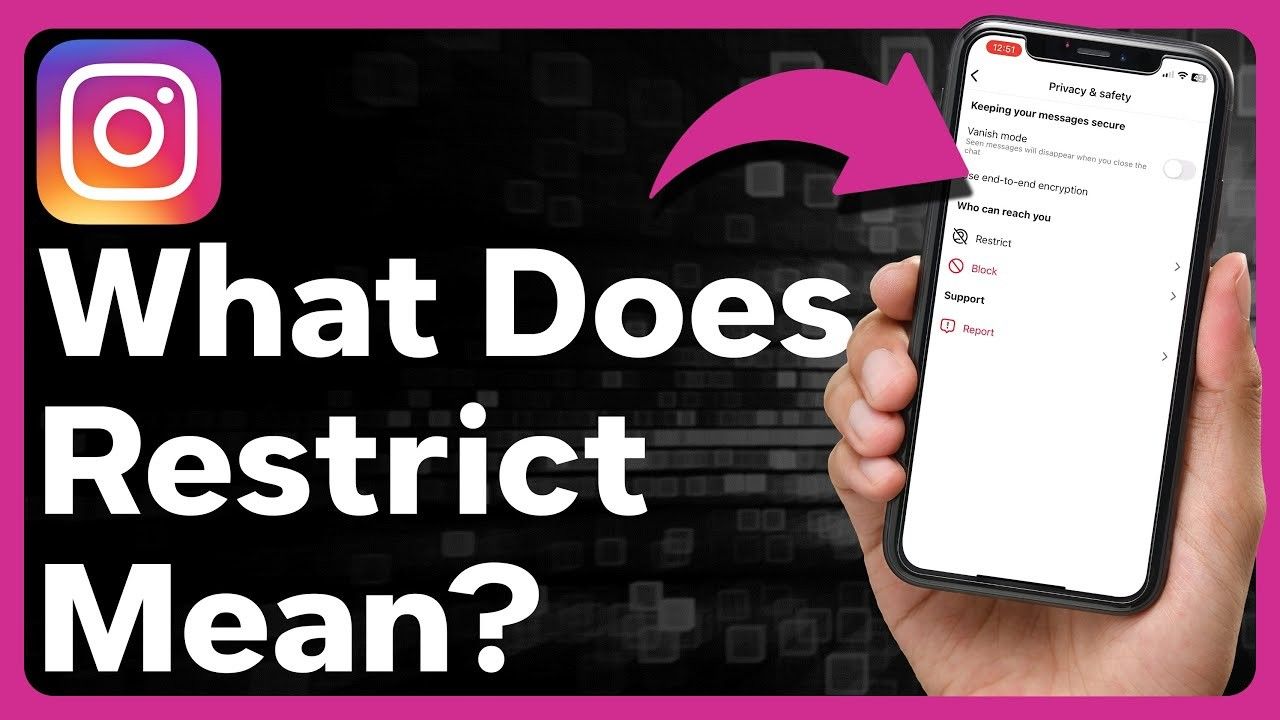
Also Read: restrict someone on instagram

Frequently Asked Questions 

Q1. If I screenshot a Story from someone’s “Close Friends” list, will they know?
No. Instagram treats Close Friends Stories the same as standard Stories for screenshot notifications — no alert is sent. 

Q2. Can I find out who screenshot my Story?
As of now, no. Instagram does not provide a feature for Story owners to see who took a screenshot. 

Q3. If someone screenshots my disappearing photo in a DM, what happens?
If the image was sent using View Once or vanishing mode, Instagram will send a notification to the sender that a screenshot was taken (or block the screenshot). 

Q4. Will Instagram ever add screenshot notifications for Stories again?
Instagram has not officially committed to doing so. Given the previous rollback and current policy, it remains uncertain.

Q5. Are there any apps that can tell me when someone screenshots my Story?
No reliable ones. Instagram’s terms and architecture currently prevent external apps from accessing screenshot events. Using such apps may pose security risks.

In Summary: What You Need to Know Right Now

  • Does Instagram notify you when you screenshot a Story? → No, for standard or Close Friends Stories. 
  • Did Instagram ever test notifications for Story screenshots? → Yes, briefly in 2018. 
  • Are there scenarios where a screenshot will notify someone? → Yes — disappearing photos or videos in DMs (View Once or Vanish Mode) will alert the sender. 
  • Does this mean content is fully private? → Not necessarily. Screenshots can still be taken; you just won’t get a notification. It’s wise to act as if anything posted can be saved. 
  • Curious about third-party monitoring apps? → Be cautious: they’re unreliable and may put your account at risk.

Jenna Clarke

Jenna explores how technology transforms business, productivity, and modern living. With a passion for digital transformation and innovation, she covers everything from AI tools to emerging trends. Her work empowers professionals to adopt forward-thinking strategies and thrive in the digital economy.

More From Author

Is Decaf Coffee a Diuretic

Is Decaf Coffee a Diuretic? The Truth About Staying Hydrated While Sipping Your “Calm Brew”

how to make coffee creamer

How to Make Coffee Creamer: My Favorite Morning Hack That Beats Store-Bought

What Does It Mean to Restrict Someone on Instagram?

I remember the first time I discovered Instagram’s Restrict feature—I had a friend who wouldn’t stop leaving slightly passive-aggressive comments on my posts. I didn’t want the drama of blocking them or the awkwardness of unfollowing. That’s when I learned what it truly means to restrict someone on Instagram—a subtle yet powerful privacy tool that lets you control interactions quietly.

If you’ve ever found yourself in a similar situation, this guide will help you understand exactly how Restrict works, when to use it, and how it differs from blocking or muting someone.

What Does It Mean to Restrict Someone on Instagram?

When you restrict someone on Instagram, you limit how much they can interact with you—without them ever realizing it. Their comments are hidden from everyone except themselves, their direct messages move to a Message Requests folder, and they can no longer see when you’re online or if you’ve read their messages.

Essentially, it’s a middle ground between muting and blocking—a digital boundary that keeps unwanted attention out of your feed without starting conflict.

Instagram introduced this feature to help users protect themselves from bullying, harassment, or uncomfortable interactions while maintaining peace on the surface.

What Happens When You Restrict Someone?

What Happens When You Restrict Someone?

Image source: Reader’s Digest

When you hit the Restrict option on someone’s profile, Instagram quietly adjusts several interaction rules in the background. Here’s what actually changes:

1. Comments

Once restricted, their comments on your posts become invisible to everyone but them. You’ll still see the comment with the option to “Approve,” “Delete,” or simply ignore it. This means your followers won’t see those awkward or negative messages unless you choose to make them public.

2. Direct Messages

Their DMs move to your Message Requests folder, and you won’t receive a notification. You can read their messages there, and they’ll never know you’ve seen them. It’s a discreet way to monitor communication without engaging.

3. Activity Status

A restricted user can no longer see your online status or whether you’ve read their messages. This restores privacy and prevents them from tracking your activity.

4. Mentions and Tags

Once restricted, they cannot tag or mention you in posts or stories. This stops them from pulling you into unwanted attention or conversations.

Restrict vs Block vs Mute: What’s the Difference?

To make sense of it all, here’s a simple comparison of the three most commonly confused Instagram privacy options:

Feature Restrict Block Mute
Profile Visibility They can still see your profile and posts They cannot see your profile, posts, or stories They can see your profile and interact normally
Comments on Your Posts Only visible to them unless you approve They can’t comment or view anything Comments stay visible
Direct Messages Go to Message Requests (no read receipts) Can’t message you at all Messages remain normal
Mentions/Tags Disabled Disabled Still possible
Notifications You won’t get DM notifications None (fully blocked) Notifications depend on your settings
Best For Quietly limiting someone Cutting off all contact Avoiding seeing their content

This table highlights the subtle balance that Restrict offers—it’s discreet but protective.

How to Restrict Someone on Instagram

How to Restrict Someone on Instagram
Image source: Reader’s Digest

Restricting someone only takes a few taps. Here’s how to do it on different devices:

On Mobile (iPhone or Android)

  1. Open the Instagram app.
  2. Go to the profile of the person you want to restrict.
  3. Tap the three dots (⋮) in the top-right corner.
  4. Select Restrict.
  5. Confirm your choice.

You can also restrict someone directly from the Comments section by swiping left on their comment and tapping the “Restrict” option.

On Desktop

  1. Go to instagram.com and log in.
  2. Open the person’s profile.
  3. Click the three dots beside their username.
  4. Choose Restrict and confirm.

If you change your mind later, simply repeat the same steps and select Unrestrict.

When Should You Use the Restrict Feature?

Knowing what it means to restrict someone on Instagram is only half the story, understanding when to use it is what truly empowers you.

Here are some common scenarios:

  • You want to avoid confrontation.
    Restricting lets you manage boundaries without making it obvious.
  • You suspect someone is monitoring your activity.
    It hides your online status and message reads.
  • You’re dealing with subtle harassment or negativity.
    Restriction prevents toxic comments from appearing publicly.
  • You want to take a break from someone without blocking them.
    It keeps peace while you decide whether to reconnect or disengage fully.

This feature is especially helpful for influencers, professionals, or anyone managing a public profile who wants to maintain civility while filtering unwanted engagement.

What Are the Benefits of Restricting Someone?

What Are the Benefits of Restricting Someone?
Image source:
Flick

Restricting someone provides several practical benefits:

  • Privacy: You control what they see and what becomes public.
  • Peace of Mind: No notifications, no confrontation, no drama.
  • Safety: It helps curb harassment or digital stalking quietly.
  • Control: You choose whether their comments get visibility or stay hidden.

In short, it’s digital diplomacy—a quiet, conflict-free way to protect your space online.

Can Restricted People Tell They’ve Been Restricted?

No, and that’s the beauty of it.
Instagram designed Restrict to be subtle. The restricted person won’t receive any notification, and the platform keeps all the interactions appearing “normal” from their side.

They’ll still be able to see your posts, comment, and send DMs—but all their efforts are essentially invisible unless you choose to engage. This makes the feature perfect for avoiding awkward confrontations.

Common Myths About Restricting on Instagram

Common Myths About Restricting on Instagram

Image source: Online Tech Tips

Let’s clear up a few misconceptions:

  • Myth: “Restricting someone blocks them.”
    Fact: It doesn’t block or remove them. They can still see your posts.
  • Myth: “They’ll know if I restricted them.”
    Fact: They won’t get any notification or alert.
  • Myth: “Restrict hides my posts from them.”
    Fact: They can still view your content—restriction only affects interaction, not visibility.

Understanding these nuances helps you use the feature strategically.

FAQs About Restricting on Instagram

Q1. Can a restricted person still message me on Instagram?

Yes, but their messages go to your Message Requests folder. You won’t receive a notification, and you can read the messages without marking them as “seen.”

Q2. Can I restrict someone who doesn’t follow me?

Yes. You can restrict any account, whether or not they follow you.

Q3. What happens if I restrict and then later block them?

If you block them, all previous restrictions are overridden. They won’t be able to see or interact with your profile at all.

Q4. Will restricting someone remove their old comments?

No. Their old comments remain visible, but new ones will be hidden unless you approve them.

Q5. Can I restrict multiple people at once?

Not directly through Instagram’s interface—you’ll need to restrict users individually.

Setting Boundaries Without Drama

Learning what it means to restrict someone on Instagram is really about reclaiming control of your online space. In an era where social media can blur the lines between public and personal life, this feature gives you the ability to manage engagement gracefully.

Whether you’re dealing with a nosy acquaintance, an ex, or just someone who overshares, Restrict offers balance—quiet distance without escalation. It’s proof that sometimes, the best way to protect your peace isn’t confrontation, but quiet control.

Feature Image source: Trevor Nace

Jenna Clarke

Jenna explores how technology transforms business, productivity, and modern living. With a passion for digital transformation and innovation, she covers everything from AI tools to emerging trends. Her work empowers professionals to adopt forward-thinking strategies and thrive in the digital economy.

More From Author

What Is Credit Card Refinancing

What Is Credit Card Refinancing?

Is Decaf Coffee a Diuretic

Is Decaf Coffee a Diuretic? The Truth About Staying Hydrated While Sipping Your “Calm Brew”