classaquitatui, vip touti, harem curitiba, acompanhantes tatui, classeaquitatui, acompanhantes boituva, classitatui, acompanhante tatui, classiaqui, acompanhante votorantim, touti, classiaqui tatui, acompanhante tatuí, acompanhantes em itapetininga, photo acompanhante itapetininga, harem 69, harem69, acompanhante cerquilho, photoac9mp, acompanhantes votorantim, acompanhantes tatuí, photoacompanhante americana, acompanhantes em tatui, acompanhante programa, garota de programa tatui, acompanhantes em boituva, photoacomp americana, acompanhante em boituva, acompanhantes de itapetininga, acompanhante em tatuí, sara e eloá, trepada gostosa, menina de programa, acompanhantes em tatuí, photo acompanhante tatui, acompanhantes cerquilho, classiaquitatui, acompanhante em tatui, garota de programa boituva, garota de programa de tatuí, classiaqui itapetininga, acompanhantes trans americana, acompanhantes em cerquilho, foto acompanhante itapetininga, acompanhante de luxo itapetininga, photoacompanhante tatui, akemi pelada, garota de programa tatuí, classiaqui tatuí, garota de programa em itapetininga, acompanhantes de tatui, sexo tatui, brenda porno, harem 69 sorocaba, acompanhante de tatui, photoqcompanhantes, putas tatui, garotas de programa tatui, acompanhante em cerquilho, photoacompanhantes itapetininga, acompanhantes porto feliz, foto de buceta fake, photoacompanhante boituva, acompanhante de tatuí, acompanhantes em porto feliz, putas em tatui, garota de programa de tatui, brenda campos nua, foto de buceta de mulher, massagem erotica sorocaba, classi aqui tatui, photo acompanhante boituva, photo acompanhantes itapetininga, garota de programa de porto feliz, photoacompanhantes tatui, garota de programa em cerquilho, acompanhantes de boituva, haren curitiba, acompanhante tiete, dani lopes nua, garota com local tatui, garota de programa votorantim, garota de programa em tatuí, acompanhante de luxo tatui, haren69, garota de programa em tatui, acomp tatui, transex itapetininga, garota de programa cerquilho, modelo julinha pelada, acompanhante tietê, classi aqui tatuí, garotas de programa boituva, garota com local itapetininga, putas de itapetininga, mineirinha nua, acompanhante serena, garotas de programa de tatui, acompanhanates tatui, acompanhante trans tatui, acompanhantes de primavera, fatui, acompanhantetatui, putas de tatui, acompanhantes de tatuí, acompanhantes trans tatui, classiaqui votorantim, travesti sorocaba classiaqui, tatu na bunda, sexo itapetininga, acompanhanate tatui, harem acompanhantes, photo acompanhante jp, garotacomlocal.com, mulher gato sex, garotas de programa em tatuí, garota de programa em votorantim, mulher de programa itapetininga, punheta guiasa, classiaqui boituva, putas em boituva, tagui, putas boituva, garotas com local tatui, garoto de programa tatui, garotas de programa votorantim, garotas de programa em votorantim, sexo casual em sorocaba, acompanhante de luxo em itapetininga, aconpanhantes itapetininga, putas votorantim, acompanhantes de votorantim, garota programa cerquilho, foto de buceta gostosa, acompanhantes itapetininga sp, acompanhantes laranjal paulista, acompanhantes em tiete, garota de programa de votorantim, garotas de programa em pinda, app de acompanhantes, garota de programa de cerquilho, 69 de ladinho, mulher de programa de itapetininga, putas em tatuí, acompanhante tatuada, harém 69, classeaquisorocaba, foto de bct rosa, garota com local tatuí, tati dias nua, acompanhantes de luxo tatui, classeaqui, classi aqui sorocaba, yasmin mayla, acompanhante laranjal paulista, putas em votorantim, sexo em tatui, garotas de programa de tatuí, fatalmodel itapetininga, photo acompanhantes jp, buceta rosa foto, acompanhante de luxo em tatuí, garotas c local, garotas de programa tatuí, harem acompanhante, photoacomoantes, classeaqui sorocaba, photo acompanhante votorantim, garota programa boituva, fotos fake de buceta, garota de programa videos, garota de programa em tietê, acompanhante fisting, acompanhante de luxo de tatuí, acompanhantes jp trans, bucetas casadas, acompanhantes casual, acompanhante de luxo tatuí, fazendo 69 gostoso, leticia gabriela nua, garota programa tatui, acompanhantes adulto, haren 69 sorocaba, porno taldaloira, acompanhante classiaqui, foto acompanhante tatui, aconpanhante tatui, photo acompanhantes tatui, acompanhante cesario lange, classaqui tatui, aconpanhantes tatui, mulher de programa de tatuí, acomoanhantes tatui, sexo tatuí, foto acompanhante tatuí, photo acompanhante tatuí, classi adulto tatui acompanhantes, acompanhamtes tatui, acompanhantes trans tatuí, putas de tatuí, acompanhante tatui trans, acompanhantes cesario lange, photoacompanhante cerquilho, photoacomp tatui, acompanhanates tatui, acompanhantes tatui trans, acompanhante cesário lange, tatui acompanhantes, gp em tatui, acompanhantes tatui sp, puta de luxo tatui, acompanhantes tarui, acompanhante luxo tatui, acompanhantes harem, acompanhantes trans em tatui, acompanhantes de luxo cerquilho, photo acompanhantes tatuí, acompanhante tarui, mulheres de programa de tatuí, classiaq tatui, acomoanhante tatui, acompanhamte tatui, acompanhantes cesário lange, acompanhantes de luxo tatuí, acompanhanates de tatui, acompanhantes de luxo em tatuí, mulheres de programa de tatui, acompanhanate tatuí, photoacompanhantes tatuí, mulheres de programa tatui, acompanhantes em tatui sp, sexo em tatuí, acompantes tatui, garota de progama tatui, photoacompanhantestatui, aconpanhantes de tatui, acompanhantes ta, acompnhantes tatui, acompanhante.tatui, gp em tatuí, classeaqui tatui, acompahantes tatui, transex tatui classi, garotas de luxo tatui, garota de programa tatui class aqui+18, garotas de tatuí, garotas em tatui, garotas em tatuí, garota de programa tatui classi, garota de programa tatui class aqui, tatui photoacompanhantes, acompanhante tatui agora, acoponhate garota de programa de tatuí, gp classiaqui tatuí, garotas de tatui, ruiva acompanhante tatui, aconpanhantes em tatuí, classiaqui de tatui, garotas gp tatui, astigmatismo, gerarboletimunificadoexterno, astigmatismo o que é, estigmatismo, o que é astigmatismo, miopia e astigmatismo, photoackmpa, arquidimatismo, larcrm7, sintomas de astigmatismo, o'que é astigmatismo, astigmatismo sintomas, astigmatismo visao, visão de quem tem astigmatismo, hipermetropia e astigmatismo, visão astigmatismo, aquidimatismo, astigmatismo tem cura, miopia e astigmatismo juntos, o que é astigmatismo na visão, astenopia, estigmatismo significado, o que é estigmatismo, visão com astigmatismo, como uma pessoa com astigmatismo enxerga, visão de astigmatismo, o que astigmatismo, astigmatism, miopia astigmatismo, o que e astigmatismo, astigmatismo como enxerga, astigmatismo pode cegar, tratamentos para astigmatismo, teste de astigmatismo, como enxerga uma pessoa com astigmatismo, oq e astigmatismo, miopia e astigmatismo tem cura, o que significa astigmatismo, quem nao enxerga de perto tem oq, graus de astigmatismo, astigmatismo: como enxerga, astigmatismo significado, lente astigmatismo, astigmatismo olho torto, visão astigmatismo miopia, astigmatismo luz, miopia astigmatismo e hipermetropia, estigmatismo ou astigmatismo, oq é astigmatismo, astigmatismo e miopia juntos, astigmatismo é perto ou longe, astigmatismo causas, olho com astigmatismo, teste astigmatismo, visão de quem tem miopia e astigmatismo, visão de uma pessoa com astigmatismo, astigmatismo irregular, astigmatismo o que causa, o'que e astigmatismo, astigmatismo e miopia diferença, astigmatismo visão, o que causa astigmatismo, sintomas astigmatismo, hipermetropia e astigmatismo juntos, o que é astigmatismo no olho, astigmatismo miopia e hipermetropia, como saber se tenho astigmatismo, visao astigmatismo, quem nao enxerga de longe tem oq, astigmatismo é longe ou perto, astigmatismo é miopia, o que é astigmatismo e miopia, astigmatismo lente, como pessoas com astigmatismo enxergam, astigmatismo longe ou perto, eixo do olho, oculos astigmatismo, astigmatismo tratamento, o que é hipermetropia e astigmatismo, óculos para astigmatismo, sintomas do astigmatismo, miopia e astigmatismo juntos pode cegar, astigmatismo alto, astigmatismo ou estigmatismo, astiguimatismo, astigmatismo é para perto ou longe, visão de quem tem astigmatismo e miopia, tipos de astigmatismo, estigmatismo o que significa, quem tem astigmatismo pode usar lente, visão do astigmatismo, astigmatismo perto ou longe, astigmatismo no olho, miopia ou astigmatismo, o que é astigmatismo nos olhos, como enxerga quem tem astigmatismo, astigmatismo a noite, astigmatismo e hipermetropia juntos, eixo astigmatismo, visao de astigmatismo, visao astigmatismo a noite, como enxerga uma pessoa com astigmatismo e miopia, astigmatismo olho, estigmatismo o que é, stigmatismo, visao de uma pessoa com miopia e astigmatismo, astigmatismo luz a noite, visao de quem tem astigmatismo, astigmatismo eixo 180, eixo no exame de vista, oque é astigmatismo, eixo exame de vista, problema de vista astigmatismo, o'que significa eixo no exame de vista, o'que astigmatismo, astigmatismo o'que é, visão com miopia e astigmatismo, miopia com astigmatismo, astigmatismo é grave, astigmatismo oculos, 1 grau de astigmatismo é muito, anisometropia tem cura, visao com astigmatismo, problema de visão astigmatismo, o que causa o astigmatismo, o que significa astigmatismo no olho, óculos com eixo errado sintomas, astigmatismo regular, o'que significa astigmatismo, astigmatismo é para longe ou perto, causas do astigmatismo, astigmatismo pode diminuir, pessoa com astigmatismo, sigmatismo no olho, olho astigmatismo, astigmata, o que é astigmatismo?, astigmatismo como se ve, o que é astigmatismo ocular, astigmatismo ocular, imagem astigmatismo, quem tem astigmatismo, oque e astigmatismo, o que o astigmatismo causa, o que é astigmatismo na vista, pessoas com astigmatismo, vista com astigmatismo, imagem de astigmatismo, astigmatismo miópico, problema no olho astigmatismo, o'que causa astigmatismo, problemas de visão astigmatismo, astigmatismo imagem, astigmatismo nos olhos, como tratar astigmatismo, astigmatismo é de longe ou perto, astigmatismo o que e, esquematismo no olho, o que significa estigmatismo, astigma, significado de astigmatismo, o que estigmatismo, astigmatismo é doença, o que e astigmatismo e miopia, como funciona o astigmatismo, o astigmatismo, astigmatismo olhos, que es astigmatismo, tratamento para astigmatismo, como diminuir o astigmatismo naturalmente, olho de quem tem astigmatismo, o que e estigmatismo, astigmatismo deixa vesgo, como corrigir astigmatismo, astigmatismo como é, o'que é astigmatismo no olho, astigmatismo como tratar, astigmatismo foto, astigmatismo que es, como melhorar o astigmatismo, visao do astigmatismo, astigmatismo obliquo, astigmat, olhos com astigmatismo, como se escreve astigmatismo, astigmatismo infantil tem cura, estigmatismo tem cura, como curar astigmatismo, como é astigmatismo, astigmatismo e estigmatismo, o'que é astigmatismo resumo, astigmatismo vista, o que astigmatismo causa, o que significa astigmatismo nos olhos, astigmatismos, astigmatismo hipermetrópico, google o que é astigmatismo, causa do astigmatismo, oq é estigmatismo, definição de astigmatismo, o que é estigmatismo no olho, astigmatismo imagens, estigmatismo e astigmatismo, astigmatismo é uma doença, astigmatismo é, como corrigir o astigmatismo, que é astigmatismo, astigmatismo regular assimétrico, astigmatismo oq e, esquematismo nos olhos, como diminuir o astigmatismo, astigmatismo correção, o que quer dizer astigmatismo, astigmatismo miopico, oq e estigmatismo, astigmatismo o que significa, o'que causa o astigmatismo, o'que astigmatismo ocular, doença no olho astigmatismo, o que é astigmatismo irregular, como melhorar o astigmatismo naturalmente, oque é estigmatismo, astigmatismo forte, astigmatismo assimétrico, como melhorar astigmatismo, correção de astigmatismo, definição de astigmatismo, astigmatismo como corrigir, como curar o astigmatismo, imagens de astigmatismo, visao com astigmatismo e visao normal, e astigmatismo, astigmatismo de longe, magmatismo no olho, estigmatismo visão, o que causa astigmatismo nos olhos, sintomas de astigmatismo alto, imagens astigmatismo, astigmatismo o'que causa, doença do olho astigmatismo, estimativo no olho, olhos astigmatismo, astigmatismo doi o olho, pessoa que tem astigmatismo, correção astigmatismo, astigmatismo infantil regride, colírio para astigmatismo, o.que é astigmatismo, magnetismo no olho, astigmatismo irregular assimétrico, doença astigmatismo, astigmatismo aumenta com a idade, astigmatismo tem cura natural, doença dos olhos astigmatismo, como tratar o astigmatismo, como diminuir o grau de astigmatismo, qual a causa do astigmatismo, doenças dos olhos astigmatismo, astigmatismo fotos, causas astigmatismo, astigmatismo oblíquo, astigmático, como curar astigmatismo naturalmente, astigmatismo características, astigmatismo fisica, astigmatismo alto sintomas, doenças do olho astigmatismo, astigmatismo longe, astigmatismo o que é?, astigmatismo o que é isso, o que que é estigmatismo, astigmatismo hipermetrópico composto, cura astigmatismo, astigmatismo resumo, astigmatismo hipermetropico, características do astigmatismo, astigmatismo oque e, correção do astigmatismo, o que significa astigmatismo na visão, astigmatismo o que, melhor colírio para astigmatismo, qual o tratamento para astigmatismo, como ocorre o astigmatismo, astigmatismo desenho, visao com astigmatismo e sem, tudo sobre astigmatismo, matismo significado, a correção para o astigmatismo pode ser feita por, estigmatismo ou astigmatismo significado, esquematismo ocular, sigmatismo nos olhos, causas de astigmatismo, sigmatismo olhos, visão de um astigmata, quem tem astigmatismo é, o que é artigo matismo, local de projeção da imagem do olho com astigmatismo, o que é astigmat, astigmatismo na infância tem cura, visao do astigmata, estigmatismo é grave, roda do astigmatismo, olho com astigmatismo local de projeção da imagem, astigmatismo diminui com a idade

Tankless Water Heater Installation: What I Learned From Doing It the Smart Way

The day I decided to replace my old tank water heater, I thought it would be a simple “plug and play” job. Spoiler alert—it wasn’t. My first encounter with tankless water heater installation taught me that these modern units pack a lot more complexity than the old tanks ever did.

Between gas lines, venting, and wiring, it’s not exactly a beginner’s DIY task. But being the stubborn fixer I am, I researched, watched countless videos, and called in professional help at just the right time. Here’s everything I learned that can help you handle your own installation—smartly and safely.

What Should You Know Before Starting a Tankless Water Heater Installation?

What Should You Know Before Starting a Tankless Water Heater Installation?

Before you even think about unboxing the new unit, preparation matters more than the tools. I learned that a successful tankless water heater installation begins with the right setup and a clear understanding of your home’s systems.

First, know whether your home runs on gas or electricity—because each type requires a different approach. Gas models need venting for combustion gases, while electric ones need a dedicated power circuit. I also checked my water pressure and flow rate since tankless units rely on a steady supply to function efficiently.

And here’s the kicker: location matters. Mounting the unit on an exterior wall saved me money by keeping the vent pipe short. It also helped reduce the amount of noise inside the house. If you’re unsure where to place it, stick to a dry, well-ventilated area away from flammable materials.

Should You Go DIY or Hire a Professional?

Should You Go DIY or Hire a Professional?

I’m a big fan of do-it-yourself projects, but some things are better left to experts—tankless water heater installation tops that list. Between high-voltage wiring, gas connections, and building codes, a small mistake can lead to serious safety issues.

A licensed plumber or contractor not only installs it safely but also ensures your system meets local regulations. They can also help you size the unit properly, so you never run out of hot water mid-shower again.

I initially thought I could do it all myself after watching a few YouTube tutorials. But when it came to connecting the gas and venting system, I called in a professional—and I’m glad I did.

On average, professional installation costs anywhere between $2,400 and $5,400, depending on your home setup. That includes the unit, labor, permits, materials, and the removal of your old water heater. Honestly, peace of mind alone is worth that price tag.

What Happens During a Tankless Water Heater Installation?

What Happens During a Tankless Water Heater Installation?

The process unfolds in four main phases—preparation, mounting, connecting, and testing. Here’s how mine went step by step:

1. Preparation and Safety

I started by shutting off all utilities—gas, water, and power—to make sure everything was safe to handle. Then I drained and disconnected the old tank heater. That part was messy but oddly satisfying.
Once the area was clear, I chose a location that could support the new unit’s weight (about 88 pounds for a 22 lb water heater body). Mounting it on a solid wall ensured it stayed secure for years to come.

2. Mounting the Unit

Using the mounting bracket that came with the unit, I measured and drilled the holes using a level to keep it straight. Then I slid the new heater onto the bracket. For gas models, it’s crucial to install a proper vent system that directs exhaust safely outdoors. Watching Benjamin Sahlstrom’s video helped me visualize this step perfectly.

3. Connections and Wiring

Here’s where precision meets patience. I connected the cold water inlet and hot water outlet using Teflon tape to seal the joints. For my gas model, I made sure the gas line was the right size (larger than the old tank model’s). For electric models, you’ll need a dedicated breaker and the right wire gauge for safety.

4. Testing the System

Finally, I turned the water back on slowly, letting the air escape through open hot water taps. Then I restored the power and tested the system. The hum of the unit and the steady stream of hot water confirmed success. Seeing it work flawlessly made all the effort worthwhile.

How Much Does a Tankless Water Heater Installation Cost?

I’ll be honest—sticker shock is real. The price tag depends on several factors:

Installation Element Average Cost (USD)
Tankless Water Heater Unit $1,200–$2,500
Labor & Permits $1,000–$2,500
Additional Materials (pipes, wiring, vent) $200–$400
Total Estimated Cost $2,400–$5,400

If your home’s electrical or gas lines need an upgrade, costs can rise further. But in the long run, the energy efficiency and endless hot water make the investment worth it.

Where Can You Find a Qualified Installer?

If you don’t already have a trusted plumber, there are several ways to find professionals certified for tankless water heater installation. Many brands, like Navien, offer installer locators on their websites. 

You can also book installation through major retailers such as The Home Depot, which ensures licensed, vetted technicians handle your system safely.

A little research goes a long way here. Reading reviews and comparing quotes helped me choose a reliable pro who didn’t overcharge for basic upgrades.

FAQs About Tankless Water Heater Installation

1. Can I install a tankless water heater myself?

You can, but it’s not recommended unless you’re experienced with plumbing, gas, and electrical work. The process involves high-pressure water lines and sometimes high-voltage connections. A professional ensures safety, code compliance, and optimal performance.

2. How long does it take to install a tankless water heater?

Most professional installations take around 4 to 8 hours, depending on whether they need to reroute pipes or upgrade your gas or power lines. DIY attempts can take much longer and may require multiple trips to the hardware store.

3. Do tankless water heaters need maintenance after installation?

Yes! Regular maintenance ensures efficiency and longevity. I flush my system once a year to prevent mineral buildup, especially since I live in an area with hard water.

4. What are the signs my tankless water heater isn’t installed correctly?

If you notice irregular water temperature, low flow, gas smells, or leaking around connections, contact a plumber immediately. These issues can point to poor installation or venting problems.

The Final Pour of Hot Water Wisdom

If I learned anything from my tankless water heater installation, it’s that preparation and professional help go hand in hand. I love tackling projects, but sometimes knowing when to step back is the smartest move. Watching a professional handle the tough parts taught me more than any online tutorial ever could.

So if you’re planning to upgrade your water system, take your time to plan, budget wisely, and call in the pros when needed. There’s nothing better than turning on the tap and knowing you’ve done it right—the safe, efficient, and smart way.


Jenna Clarke

Jenna explores how technology transforms business, productivity, and modern living. With a passion for digital transformation and innovation, she covers everything from AI tools to emerging trends. Her work empowers professionals to adopt forward-thinking strategies and thrive in the digital economy.

More From Author

How Old Do You Have to Be to Get a Credit Card

How Old Do You Have to Be to Get a Credit Card? A No-Stress Guide for First-Timers

How to Get a Credit Card Lawsuit Dismissed

How to Get a Credit Card Lawsuit Dismissed (Without Shooting Yourself in the Foot)

Why I’m Obsessed with the Accounts Payable or Accounts Receivable Software Market

I still remember when I managed invoices manually in my early business days—printing, stapling, chasing signatures, and constantly asking, “Did this payment go through?” It was chaos. Once I discovered how the accounts payable or accounts receivable software market worked, my entire financial process changed. What once took hours of frustration turned into smooth automation and real-time cash flow clarity.

Today, businesses like mine—and probably yours too—depend on digital financial systems more than ever. And trust me, the demand for AP and AR software isn’t slowing down anytime soon.

Why Is the Accounts Payable or Accounts Receivable Software Market Booming?

Why Is the Accounts Payable or Accounts Receivable Software Market Booming?

The simplest answer? Businesses want speed, accuracy, and control over their money. Automation now plays the hero in finance departments across industries. Instead of manually entering invoices or chasing payments, companies use intelligent systems that do it all—error-free.

AI and cloud technology have taken this market to new heights. With more companies embracing digital transformation, AP and AR software has become the backbone of efficient cash flow management. Plus, after the pandemic accelerated remote operations, cloud-based accounting became less of a luxury and more of a necessity.

Every business—from startups to enterprises—now demands faster invoicing, fewer delays, and zero compliance headaches.

How Does This Software Actually Help Businesses Work Smarter?

How Does This Software Actually Help Businesses Work Smarter?

Think of accounts payable automation as your financial autopilot. It pays bills on time, avoids duplicate entries, and eliminates late fees. Accounts receivable automation, on the other hand, ensures clients pay promptly—without you lifting a finger.

Here’s the real magic: integration. The top players in the accounts payable or accounts receivable software market now offer seamless connections with ERP and CRM systems. This means you can view real-time balances, analyze cash flow trends, and make smarter business decisions in seconds.

And let’s not forget about fraud prevention. Modern systems use AI-driven anomaly detection and three-way matching to flag anything suspicious before it becomes a problem. That alone can save companies thousands every year.

What’s Driving Demand in the Accounts Payable or Accounts Receivable Software Market?

If you look at why this market is growing so fast, it all comes down to five major trends:

  1. Efficiency and Productivity: Automation eliminates repetitive tasks like data entry, filing, and invoice verification—giving teams more time for strategy and growth.
  2. Enhanced Cash Flow: Real-time tracking ensures timely collections and payments, improving liquidity.
  3. Digital Transformation: Businesses are ditching paper trails for secure, scalable cloud solutions.
  4. Faster Invoicing and Payment Cycles: E-invoicing and online payments mean cash arrives sooner.
  5. Compliance and Security: Built-in tools keep companies aligned with tax laws and GDPR standards.

I’ve seen firsthand how these features reduce financial stress and build better relationships with vendors and clients.

What Strategies Are Companies Using to Dominate This Market?

What Strategies Are Companies Using to Dominate This Market?

Let’s be honest—every vendor in the accounts payable or accounts receivable software market wants the biggest slice of the pie. The ones succeeding follow a few clear strategies:

  • Cloud-First Approach: Companies are rolling out SaaS models that small businesses can afford while offering scalability for larger enterprises.
  • Tech Innovation: Investment in AI, machine learning, and data analytics has become non-negotiable. From OCR invoice scanning to predictive payment forecasting, innovation drives growth.
  • Strategic Partnerships: Acquisitions like Bill.com’s Invoice2go deal or Sage buying Brightpearl help vendors expand reach and improve integration.
  • Customization and Support: Tailored solutions for industries like healthcare, BFSI, and manufacturing ensure every client feels seen and supported.
  • Global Expansion: The Asia-Pacific region, in particular, is booming with opportunities as companies embrace digital finance solutions.

These strategies not only keep software vendors competitive but also create richer, more reliable financial ecosystems for users like us.

How to Choose the Right Accounts Payable or Accounts Receivable Software

If you’re ready to join the automation wave, picking the right tool matters. Here’s my simple approach:

Feature Why It Matters What to Look For
Cloud-Based Access Lets you manage finances remotely and securely. Real-time dashboards, mobile apps
AI Integration Speeds up data extraction and fraud detection. OCR, ML-based anomaly alerts
Customization Fits your industry needs. Modules for billing, compliance, or currency handling
Security Protects sensitive financial data. PCI and GDPR compliance
Integration Works with your ERP or CRM. QuickBooks, SAP, or Oracle compatibility

Once you evaluate these aspects, test the software with a short free trial. It’s the best way to see if it fits your workflow.

What’s Next for the Accounts Payable or Accounts Receivable Software Market by 2027?

By 2027, automation will no longer be an optional upgrade—it’ll be the standard. AI-driven decision-making, predictive analytics, and end-to-end integration will define the new era of financial software.

I’m most excited about how AI will evolve in this space. Imagine a system that predicts when a client might pay late or automatically negotiates vendor discounts based on your payment patterns. That’s not sci-fi—it’s already being tested by market leaders.

Companies that invest early in modern AP/AR systems will not only survive but thrive as financial efficiency becomes a competitive advantage.

FAQs About the Accounts Payable or Accounts Receivable Software Market

1. What’s the difference between accounts payable and accounts receivable software?

Accounts payable software manages the money you owe—automating invoice approvals and payments. Accounts receivable software handles the money you’re owed—tracking invoices, collections, and client payments. Together, they create a complete financial ecosystem that keeps cash flow smooth and predictable.

2. How does automation reduce financial errors?

Automation eliminates manual data entry and matching errors by using AI-based tools like OCR. It validates data across multiple systems instantly, ensuring accuracy while preventing duplicate payments or missed invoices.

3. Are cloud-based AP/AR solutions safe?

Yes. Top vendors use encryption, two-factor authentication, and compliance certifications (like PCI and GDPR) to protect sensitive data. Plus, you can access systems securely from anywhere without worrying about local hardware failures.

4. Can small businesses benefit from these tools?

Absolutely! Many platforms offer affordable, scalable solutions designed for small businesses. They help save time, improve cash flow, and provide visibility that used to be available only to big corporations.

Wrapping It Up with a Dash of Digital Wisdom

If there’s one thing I’ve learned, it’s this—never underestimate the power of automation. The accounts payable or accounts receivable software market isn’t just about faster billing or easier payments; it’s about giving businesses back their time and financial peace of mind.

I still smile thinking about how far I’ve come from chasing paper invoices to watching real-time payment dashboards glow on my laptop. Efficiency isn’t just a goal anymore—it’s the new financial lifestyle.

So, if you haven’t already, explore your options and make your money management as smart as your business strategy. You’ll thank yourself later.

Jenna Clarke

Jenna explores how technology transforms business, productivity, and modern living. With a passion for digital transformation and innovation, she covers everything from AI tools to emerging trends. Her work empowers professionals to adopt forward-thinking strategies and thrive in the digital economy.

More From Author

galvanized steel wire consumption

Why I’ve Been Fascinated by Galvanized Steel Wire Consumption Lately

Which Item Is Important to Consider When Selecting a Credit Card

Which Item Is Important to Consider When Selecting a Credit Card?

Massive Growth of EEA Prepaid Card Market by 2027

I still remember the first time I used a prepaid card while traveling through Europe. I had no idea it would become my favorite travel companion—safe, flexible, and surprisingly convenient. Years later, when I started reading about the growth of EEA prepaid card market, it all made sense. What began as a backup payment option for travelers like me has transformed into a mainstream financial trend across the European Economic Area.

The market’s value is expected to soar to $500.2 billion by 2027, growing at a staggering CAGR of 14.7%. That’s not just a statistic—it’s proof of how fast Europe is embracing digital and cashless payments. So, what’s fueling this impressive growth, and why should you care? Let’s break it down from someone who’s seen the shift firsthand.

Why Is the Growth of EEA Prepaid Card Market So Massive?

Why Is the Growth of EEA Prepaid Card Market So Massive?


The first thing that struck me was how these cards solved real-world problems. For instance, you don’t need a traditional bank account to use one. That’s huge, especially in areas with a growing unbanked and underbanked population. These people can now store, spend, and manage money securely without stepping into a bank.

Then there’s the digital shopping revolution. Online shopping, streaming subscriptions, and even paying bills have become second nature. Prepaid cards bridge the gap between cash-based users and digital platforms. 

Their reloadable nature—through bank transfers, direct deposits, or even cash—makes them accessible to anyone.

Major financial players like American Express, JPMorgan Chase & Co., Kaiku Finance LLC, and IDT Financial Services Limited have also jumped on board. When global giants start investing in prepaid card innovation, it’s clear that the trend isn’t just temporary—it’s transformative.

What’s Fueling the Growth of EEA Prepaid Card Market?

What’s Fueling the Growth of EEA Prepaid Card Market?


I often think of prepaid cards as the “freedom cards.” They don’t tie you down to long-term contracts, they let you control your budget, and they work across multiple spending categories—whether you’re shopping online, paying utility bills, or booking a last-minute flight.

A few factors are clearly driving this surge:

  1. Financial Inclusion – Prepaid cards empower people who might not qualify for traditional banking. They’re a bridge to the digital economy.
  2. Cashless Preference – As Europe moves toward a cashless society, prepaid cards make digital spending simple and safe.
  3. Convenience and Control – You can top up your card, track expenses, and avoid overspending—all without risking credit debt.
  4. E-commerce Explosion – With more consumers shopping online, prepaid cards have become the go-to payment method for flexibility and fraud protection.

This combination of accessibility and digital ease explains why the growth of EEA prepaid card market has outpaced many other financial products.

How Do Major Players Drive the Growth of EEA Prepaid Card Market?

How Do Major Players Drive the Growth of EEA Prepaid Card Market?

When you see names like American Express and JPMorgan Chase entering the prepaid space, it’s no longer a niche product—it’s a financial evolution. 

These companies bring technology, security, and global reach that make prepaid systems more reliable and attractive to businesses and consumers alike.

Here’s a quick comparison of how some major players contribute to the market:

Company Key Focus Notable Impact
American Express Premium prepaid solutions Expanding card usability and brand trust
JPMorgan Chase & Co. Financial inclusion products Driving digital payments among new users
Kaiku Finance LLC User-friendly reloadable cards Popularizing online and mobile-friendly payment systems
IDT Financial Services Ltd. Prepaid card partnerships Powering fintech and retailer card programs

Each brand is playing a role in making prepaid cards not just an alternative—but the preferred choice for millions.

How Can You Benefit From the Growth of EEA Prepaid Card Market?

If you’re wondering how this affects you, the answer is simple: freedom and control. Whether you’re a student managing expenses, a frequent traveler, or someone wary of linking credit cards to every app, prepaid cards offer a practical solution.

Want to make the most of it? Here’s how:

  1. Choose a trusted provider – Stick with well-established names for better security and customer support.
  2. Opt for reloadable cards – These give you more flexibility to add funds anytime.
  3. Use for online purchases – Keep your main bank accounts safe while shopping or subscribing online.

As I started using prepaid cards regularly, I noticed how much easier it became to budget and limit impulse spending. It’s empowering to know you control the exact amount you’re spending.

How-To: Make the Most of the Growth of EEA Prepaid Card Market

Here’s how you can jump on the prepaid trend smartly:

Step 1: Pick Your Card Type

Start with a prepaid card that suits your lifestyle—travel, online shopping, or day-to-day expenses.

Step 2: Register and Load Funds

Choose easy reload options like direct deposit or bank transfer. I prefer linking mine to a secure app for quick top-ups.

Step 3: Track Spending Like a Pro

Use the provider’s dashboard or app to monitor transactions. This keeps you financially aware and helps you spot unusual activity.

Step 4: Enjoy the Flexibility

Once you experience how easy it feels to pay bills, book tickets, or shop online without worrying about overdrafts, you’ll see why prepaid cards are here to stay.

FAQs About the Growth of EEA Prepaid Card Market

1. Why is the growth of EEA prepaid card market accelerating so quickly?

Because consumers are shifting toward cashless payments and digital lifestyles. Prepaid cards meet that need with convenience, flexibility, and security—especially for people without traditional bank accounts.

2. Are prepaid cards safer than credit or debit cards?

Yes, in many cases. Since prepaid cards are not directly linked to your bank account, your exposure to fraud is reduced. Plus, leading brands like American Express and JPMorgan Chase offer strong protection measures.

3. Can I use prepaid cards for online shopping and travel?

Absolutely. Most prepaid cards are accepted internationally and online. You can book hotels, flights, or shop on your favorite e-commerce sites without linking your main bank account.

4. Will prepaid cards replace traditional banking in the EEA?

Not entirely, but they’re definitely transforming financial habits. Instead of replacing banks, prepaid cards complement them—offering flexibility and inclusion that traditional models sometimes can’t.

Final Thoughts: Big Growth, Bigger Opportunity

The growth of EEA prepaid card market isn’t just a financial headline—it’s a lifestyle shift. It’s about freedom, inclusion, and control in a digital world. I’ve seen how prepaid cards can make life simpler, especially when traveling or managing daily expenses.

If there’s one tip I can give, it’s this: don’t underestimate small financial tools that offer big flexibility. The future of money in Europe looks bright, digital, and card-shaped—and I’m all for it.

Jenna Clarke

Jenna explores how technology transforms business, productivity, and modern living. With a passion for digital transformation and innovation, she covers everything from AI tools to emerging trends. Her work empowers professionals to adopt forward-thinking strategies and thrive in the digital economy.

More From Author

mini ITX desktop computer motherboard market

Mini ITX Desktop Computer Motherboard Market: Why Small PCs Are Taking Over

galvanized steel wire consumption

Why I’ve Been Fascinated by Galvanized Steel Wire Consumption Lately

Mini ITX Desktop Computer Motherboard Market: Why Small PCs Are Taking Over

When I built my first PC, I swore I’d never care about case size. Bigger meant better—more airflow, more ports, more power, right? Then I stumbled upon a sleek, cube-sized setup glowing under a friend’s monitor. That was my first introduction to the mini ITX desktop computer motherboard market, and honestly, it flipped my view on PC builds forever.

I realized compact PCs weren’t just cute—they were capable. They ran quietly, fit anywhere, and could handle everything from gaming to 3D rendering. Fast forward to today, and the numbers prove it: this market is booming with a projected CAGR of around 5.20% from 2024 to 2028.

So, what’s fueling this rise? And more importantly, should you care if you’re not a hardcore gamer or tech tinkerer? Stick around—I’ll break it down from experience.

Why Is the Mini ITX Desktop Computer Motherboard Market Growing So Fast?

Why Is the Mini ITX Desktop Computer Motherboard Market Growing So Fast?

The first time I compared a full tower build to a mini ITX setup, the difference shocked me. These little boards pack serious performance into a compact footprint. With small form factor (SFF) PCs becoming trendy, the demand for mini ITX motherboards keeps accelerating.

Gamers love them because they can now build powerful rigs without dedicating an entire desk. Content creators appreciate how quietly these systems run during long editing sessions. Even industries like healthcare, retail, and manufacturing use mini ITX boards in kiosks and embedded systems.

And let’s be honest—DIY culture plays a big part too. More people want to customize their builds, and assembling a clean, compact setup feels like digital art. With brands like ASUS, MSI, Gigabyte, and ASRock leading innovation, builders have endless design possibilities.

What Makes Mini ITX Motherboards So Popular Among Gamers and Creators?

What Makes Mini ITX Motherboards So Popular Among Gamers and Creators?

I once lugged a 20-pound gaming tower to a LAN party. Never again. When I switched to a mini ITX rig, I could toss my setup into a backpack and still crush 1440p gaming. That’s when I understood the charm behind this trend.

Mini ITX motherboards balance performance and portability beautifully. They typically feature one PCIe slot for a GPU, up to two RAM slots, and enough USB ports for all essentials. Sure, they’re smaller—but they don’t skimp on performance.

Gamers can run RTX or Radeon GPUs, and creators can edit 4K videos or render complex scenes without their rigs sounding like jet engines. Plus, case manufacturers are creating stunning designs—transparent panels, RGB integration, and optimized cooling systems that prove small builds can still look premium.

Feature Mini ITX ATX Micro ATX
Size 6.7 x 6.7 inches 12 x 9.6 inches 9.6 x 9.6 inches
Expansion Slots 1 PCIe x16 3-4 PCIe 2 PCIe
RAM Slots 2 4 2-4
Ideal Use Compact builds, gaming, HTPC High-end workstations Balanced builds

Compact doesn’t mean compromise—it means control. You build what you need, not what space forces you to fill.

How Does Technology Influence the Mini ITX Desktop Computer Motherboard Market?

How Does Technology Influence the Mini ITX Desktop Computer Motherboard Market?

If you told me five years ago that small boards could support overclocked CPUs and DDR5 memory, I’d laugh. But technology moves fast. Today, mini ITX desktop computer motherboards integrate the same chipsets and connectivity options as their larger siblings.

Manufacturers optimize VRMs, thermal designs, and power delivery to handle modern CPUs. Wi-Fi 7, PCIe 5.0, and M.2 slots for lightning-fast SSDs have all found their way onto these tiny boards. It’s like watching minimalism meet muscle.

Industrial users also jumped on board. Think of digital kiosks, medical imaging equipment, or even point-of-sale systems—all powered by small yet efficient mini ITX platforms. These setups run 24/7 while saving space and energy, which explains why the industrial segment keeps expanding alongside consumer builds.

What Are the Main Challenges in the Mini ITX Desktop Computer Motherboard Market?

Here’s where reality checks in. Mini ITX builds test your patience. I learned that after trying to plug in a 24-pin power connector inside a case barely larger than a shoebox.

The biggest challenge? Limited expandability. You get fewer slots for upgrades, less room for cooling systems, and occasionally, cable management nightmares. Overheating can become an issue if airflow isn’t designed properly.

Then there’s the competitive landscape. Brands battle fiercely for innovation and pricing. ASUS dominates premium gaming boards, while ASRock and Gigabyte aim for the budget-friendly DIY crowd. Despite competition, that battle drives innovation—and we get smaller boards with better specs every year.

How to Choose the Right Mini ITX Motherboard for Your Setup?

I like to think of picking a mini ITX motherboard like choosing a travel companion—it needs to match your pace and style.

Start by defining your purpose. If you’re gaming, prioritize PCIe 5.0 support and strong VRMs for stable performance. Content creators should look for boards with ample USB ports, Wi-Fi 6/7, and support for high-speed storage. Industrial users might prioritize longevity and thermal reliability.

You also want to match the motherboard with your CPU socket type—Intel LGA1700 or AMD AM5—and consider power delivery. Even though space is tight, cooling remains crucial. Compact cases from NZXT, Cooler Master, or Lian Li are perfect fits for mini ITX builds.

In short: think ahead. Mini ITX is about efficiency, but the right choices make it perform like a powerhouse.

FAQs About the Mini ITX Desktop Computer Motherboard Market

1. Are mini ITX motherboards good for gaming?

Absolutely. Modern mini ITX motherboards handle powerful CPUs and GPUs with ease. You can run high-end games at 1440p or even 4K, provided you use proper cooling and power management. It’s gaming muscle packed into a portable frame.

2. What’s the biggest drawback of mini ITX boards?

The main limitation is expandability. You get only one PCIe slot and two RAM slots, which restricts heavy customization. But for most users—gamers, streamers, or creators—it’s more than enough power.

3. Which brands lead the mini ITX desktop computer motherboard market?

ASUS, MSI, Gigabyte, and ASRock dominate this space. Each brand offers models for different needs—from budget-friendly setups to high-end gaming boards with RGB lighting and overclocking support.

4. Is the mini ITX trend sustainable long-term?

Yes. With the rise of small form factor computing, efficient chipsets, and portable design preferences, the mini ITX market shows no signs of slowing down. The projected CAGR of 5.20% through 2031 says it all.

Small Board, Big Dreams: Why I’m Betting on Mini ITX

I’ll admit it—I once doubted the tiny form factor. But now, I wouldn’t trade my mini ITX build for anything. It’s sleek, silent, and strong. The mini ITX desktop computer motherboard market proves that power doesn’t need a giant footprint.

Technology always trends toward efficiency—faster, smaller, smarter—and mini ITX represents that perfectly. Whether you’re a gamer, designer, or tech enthusiast, don’t underestimate the beauty of compact design.

My final tip? Build something that fits your space and your spirit. Sometimes, the smallest systems make the biggest statements.

Jenna Clarke

Jenna explores how technology transforms business, productivity, and modern living. With a passion for digital transformation and innovation, she covers everything from AI tools to emerging trends. Her work empowers professionals to adopt forward-thinking strategies and thrive in the digital economy.

More From Author

surgical robotics sales market

Surgical Robotics Sales Market: How Technology Is Changing the Way We Heal

growth of EEA prepaid card market

Massive Growth of EEA Prepaid Card Market by 2027

The Growing Demand of Self Driving Bus: A Personal Ride Into the Future

A few years ago, I found myself waiting for a bus that never came—again. Standing under a flickering streetlight, I thought, “There has to be a smarter way to travel.” Fast-forward to today, and that wish feels closer than ever thanks to the demand of self driving bus systems growing across the world. 

Watching technology evolve from a distant dream to a full-blown reality makes me genuinely excited every time I see an article about autonomous public transport.

So what’s fueling this momentum? Why are cities and companies racing to put self-driving buses on the streets? Let’s hit the road and unpack it together.

Why Is the Demand of Self Driving Bus Increasing So Rapidly?

Why Is the Demand of Self Driving Bus Increasing So Rapidly?

I think the surge in demand comes down to three major shifts—smart cities, advanced AI, and a global focus on sustainability. Governments and private companies are pouring billions into autonomous mobility. Many nations are creating dedicated “autonomous vehicle corridors” where driverless buses can safely operate.

This isn’t science fiction anymore. AI and real-time data processing allow these buses to “see” their environment using sensors like LiDAR, radar, and cameras. Combine that with electric powertrains, and you get vehicles that are efficient, eco-friendly, and capable of reducing both congestion and emissions.

And the numbers don’t lie—industry forecasts show a compound annual growth rate (CAGR) of over 22% between 2024 and 2029, with the global market possibly surpassing $74 billion by 2026. That’s not just growth—it’s an industry revolution.

What Are the Major Drivers Behind the Demand of Self Driving Bus Technology?

What Are the Major Drivers Behind the Demand of Self Driving Bus Technology?

Every time I research this topic, I notice one consistent theme: collaboration. Governments, startups, and automotive giants are working hand-in-hand to make autonomous mobility mainstream.

  • Smart City Development: Urban planners are integrating self-driving buses into smart infrastructure networks. Imagine traffic lights that “talk” to buses and optimize routes in real time.
  • Government Support: Several pilot programs are underway globally, with public funding and legal frameworks easing adoption.
  • Tech Integration: AI algorithms, advanced sensors, and faster connectivity (thanks to 5G) make self-driving buses safer and smarter with every software update.

These factors together are rewriting how we think about public transportation—focusing on safety, efficiency, and inclusivity.

Which Companies Are Leading the Demand of Self Driving Bus Revolution?

I’ve followed the progress of several companies in this field, and three names constantly stand out: Navya, Hyundai Motor Company, and Proterra.

Company Focus Area Highlight Project
Navya Fully autonomous electric shuttles Deployment partnership in Lyon, France
Hyundai Motor Company AI-driven R&D and urban mobility alliances “Next Urban Mobility” initiative
Proterra Electric vehicle platforms for autonomous integration Combining EV and AI tech for smart transit

Each player approaches autonomy differently. Navya’s niche is small, fully autonomous shuttles in controlled environments. Hyundai takes a broader, global stance—investing heavily in R&D to mass-produce next-gen vehicles. Proterra, meanwhile, is bridging electric mobility and AI, creating platforms that merge sustainability with innovation.

Together, these companies aren’t just chasing trends—they’re steering the future of urban movement.

How Can Cities Benefit From the Growing Demand of Self Driving Bus Systems?

How Can Cities Benefit From the Growing Demand of Self Driving Bus Systems?

From my perspective, the real winners of this transformation are the cities themselves. Autonomous buses can operate 24/7 without fatigue, reduce human error, and optimize routes using live data.

That means fewer delays, safer commutes, and better accessibility for elderly or disabled passengers. They can also reduce operational costs by minimizing fuel consumption and maintenance needs—especially as electric and autonomous technologies blend.

Moreover, as cities adopt more connected infrastructure, self-driving buses can seamlessly integrate into multimodal systems, syncing with trains, bikes, and even ride-sharing apps. It’s the ultimate “mobility as a service” ecosystem in action.

How to Prepare for the Self-Driving Bus Revolution

If you’re a commuter like me, the best thing you can do is stay informed and open-minded. When autonomous buses hit your city, try them out. Provide feedback. Support the transition.

For local governments and transport authorities, it’s about infrastructure readiness—dedicated lanes, updated safety laws, and smart traffic systems. Businesses, too, can get involved by investing in partnerships or tech development.

Change feels daunting at first, but once you experience the precision and efficiency of an AI-driven ride, you’ll wonder how we ever lived without it.

FAQs About the Demand of Self Driving Bus

1. Are self-driving buses already operating anywhere?

Yes! Cities like Lyon (France), Singapore, and Las Vegas have already tested or deployed autonomous shuttle services. These early programs help collect real-world data and improve safety protocols for wider adoption.

2. How safe are self-driving buses compared to traditional ones?

Current models use multi-sensor fusion (LiDAR, radar, and cameras) to monitor surroundings in real time. They follow strict safety protocols and can react faster than human drivers. While not perfect yet, continuous AI learning makes them safer with every mile driven.

3. Will self-driving buses replace human drivers?

Not entirely. Many systems still require remote supervision or an onboard safety operator. The goal isn’t replacement—it’s enhancement. Automation can reduce fatigue-related accidents while creating new tech and maintenance jobs.

4. What are the environmental benefits of autonomous buses?

Most self-driving buses are electric, cutting down on CO₂ emissions and fuel consumption. Plus, AI-driven route optimization means fewer empty runs and reduced traffic congestion—both major wins for sustainability.

Rolling Into the Future With Confidence

Here’s the thing—I used to dread public transport delays. Now, I see them as a sign that innovation has room to grow. The demand of self driving bus industry isn’t just about machines taking the wheel; it’s about redefining how we move, connect, and think about urban life.

If there’s one takeaway, it’s this: technology doesn’t replace convenience—it redefines it. The next time I’m stuck at a bus stop, I’ll probably be dreaming of that sleek, silent, driverless ride pulling up on schedule—no honking, no waiting, just progress.

Jenna Clarke

Jenna explores how technology transforms business, productivity, and modern living. With a passion for digital transformation and innovation, she covers everything from AI tools to emerging trends. Her work empowers professionals to adopt forward-thinking strategies and thrive in the digital economy.

More From Author

SIP trunk providers

SIP Trunk Providers: How They’re Powering the Future of Business Communication

covid 19 pandemic affected sales of dredging equipment

How the COVID 19 Pandemic Affected Sales of Dredging Equipment: My Take on a Shaken Industry

The Global E-Bike Motors Market and Why I Can’t Stop Talking About It

A few summers ago, I rented an electric bike for a quick city ride. Within minutes, I was zipping past traffic, feeling like I’d discovered the future of commuting. That single experience turned me into a bit of an e-bike evangelist—and since then, I’ve been following the global e-bike motors market closely. What started as a niche hobby has now become one of the fastest-growing segments in the mobility world.

Today, e-bikes aren’t just eco-friendly toys for tech enthusiasts; they’re powerful machines transforming how we move, explore, and even work. And at the heart of it all? The motor—an unsung hero of this two-wheeled revolution.

What’s Driving Growth in the Global E-Bike Motors Market?

What’s Driving Growth in the Global E-Bike Motors Market?

The numbers are pretty wild. The global e-bike motors market is on track to hit roughly $8.27 billion by 2028, with an impressive CAGR of 14.8%. It’s not just about people wanting to go green—it’s also about practicality.

Rising fuel prices and growing environmental awareness have made electric mobility an attractive solution for everyday riders. Plus, governments are getting serious about sustainable transport.

Across Europe and North America, you’ll find subsidies for e-bike purchases, better cycling infrastructure, and campaigns encouraging eco-commuting.

But what really stands out to me is how technology is keeping up with this growth. From smarter control systems to improved torque sensors, e-bike motors are evolving fast. The ride feels smoother, quieter, and a lot more powerful than it did even five years ago.

Why Are Mid-Drive Motors Winning the Race?

If you’ve ridden both a hub motor and a mid-drive motor, you’ll know the difference instantly. The mid-drive design feels balanced and powerful, especially on hilly terrain. And apparently, the rest of the world agrees—mid-drive motors are stealing the spotlight in the global e-bike motors market.

These motors sit at the center of the bike, distributing weight evenly and improving traction. They also make maintenance easier and enhance energy efficiency, which means longer rides without running out of juice halfway home.

Traditional hub motors still have their place, especially for budget-friendly models, but the market’s shifting. Mid-drive motors are fast becoming the standard for both performance and comfort-focused e-bikes.

Here’s a quick comparison to show why they’re gaining so much ground:

Feature Hub Motor Mid-Drive Motor
Power Efficiency Moderate High
Weight Distribution Rear/Front-heavy Perfectly Balanced
Hill Climbing Average Excellent
Maintenance Simple Moderate
Cost Lower Higher

I’ve tried both, and trust me—once you ride a mid-drive, it’s hard to go back.

How Are Technology and Comfort Fueling Market Momentum?

How Are Technology and Comfort Fueling Market Momentum?

One of the coolest trends in the global e-bike motors market is the rise of “connected bikes.” These aren’t your grandpa’s bicycles—they come with built-in GPS, smartphone pairing, and even real-time diagnostics. You can literally check your bike’s performance from your phone like a Tesla dashboard.

Manufacturers are also obsessed with battery efficiency. Modern e-bikes can go 70–100 miles on a single charge, and charging times are shrinking every year. Motor controllers are smarter, optimizing torque and speed without draining the battery too fast.

And then there’s comfort—something people underestimate. Suspension systems are improving, frames are becoming lighter yet sturdier, and user ergonomics are a big deal now. Even if you’re not an athlete, you can ride long distances comfortably without feeling sore or drained.

Which Regions Are Leading the Charge?

Asia-Pacific remains the beating heart of the global e-bike motors market. Countries like China, Japan, and India dominate both production and consumption. It’s easy to see why—massive urban populations, high fuel costs, and a growing middle class looking for affordable mobility solutions.

Europe, especially Germany, has also carved out a large slice of the e-bike pie. The continent’s commitment to reducing emissions and promoting cycling infrastructure makes it the perfect market. In fact, cities like Amsterdam and Berlin are practically powered by pedals.

Meanwhile, North America is catching up fast. The pandemic nudged many commuters to ditch crowded public transport, and now e-bike sales in the U.S. are booming. As more states offer tax credits for electric mobility, the demand is expected to soar.

Who Are the Big Players Dominating the Market?

Who Are the Big Players Dominating the Market?

While the global e-bike motors market is fragmented, a few heavyweights keep showing up in every industry report. I’m talking about names like Bosch, Panasonic, Shimano, Yamaha, and Bafang.

Bosch stands out for its innovation and reliability. Their drive units are practically the gold standard in Europe. Shimano, known for its cycling heritage, brings that same precision to its e-bike systems. Yamaha continues to impress with powerful yet lightweight motors that make steep climbs effortless.

Then there are fast-rising brands like Dapu Motors, Xin Da Yang, and Ananda, especially strong in the Asian market. Together, these players are pushing innovation and keeping competition fierce—a win for riders like you and me.

How Is the E-Bike Revolution Changing Daily Life?

What I love most about this industry isn’t just the technology—it’s the lifestyle shift. More people are swapping their cars for e-bikes, rediscovering their cities, and embracing fitness again. It’s sustainable mobility that actually feels good.

Plus, e-MTBs (electric mountain bikes) are exploding in popularity. Whether you’re tackling rugged trails or weekend adventures, these bikes give you the boost to climb higher and ride longer.

In many ways, e-bikes are rewriting what “transportation” means. They’re not just a trend—they’re a movement.

FAQ: What People Are Asking About the Global E-Bike Motors Market

1. What’s the projected size of the global e-bike motors market by 2028?

The market is estimated to reach $8.27 billion by 2028, growing at a 14.8% CAGR. That’s massive growth driven by sustainability goals, fuel prices, and evolving tech.

2. Why are mid-drive motors becoming more popular than hub motors?

Mid-drive motors provide better balance, torque, and climbing ability. They also deliver smoother power transfer, making rides more natural and efficient—especially on steep or uneven terrain.

3. Which countries lead the e-bike motor market?

China, Germany, and Japan lead in production and usage, while the U.S. is rapidly growing thanks to government incentives and an increased focus on green commuting.

4. Who are the top companies in the global e-bike motors market?

Bosch, Panasonic, Shimano, Yamaha, and Bafang are the biggest players, known for quality, reliability, and constant innovation in motor performance and connectivity.

So, Where Do We Go From Here?

If you ask me, the global e-bike motors market isn’t just about business—it’s about transformation. Every ride, every motor upgrade, and every policy shift takes us closer to a world where clean mobility is the norm, not the exception.

I’ll admit—I still get a thrill every time I hop on an e-bike and feel that silent surge of power. It’s like getting a glimpse of a smarter, cleaner future—one pedal at a time.

So, if you’ve been thinking about joining the e-bike revolution, there’s never been a better time. Your wallet, your health, and the planet will thank you.

Jenna Clarke

Jenna explores how technology transforms business, productivity, and modern living. With a passion for digital transformation and innovation, she covers everything from AI tools to emerging trends. Her work empowers professionals to adopt forward-thinking strategies and thrive in the digital economy.

More From Author

China Solid State Drive (SSD) Market

China Solid State Drive (SSD) Market: Size, Share & Growth Outlook 2021–2027

SIP trunk providers

SIP Trunk Providers: How They’re Powering the Future of Business Communication

China Solid State Drive (SSD) Market: Size, Share & Growth Outlook 2021–2027

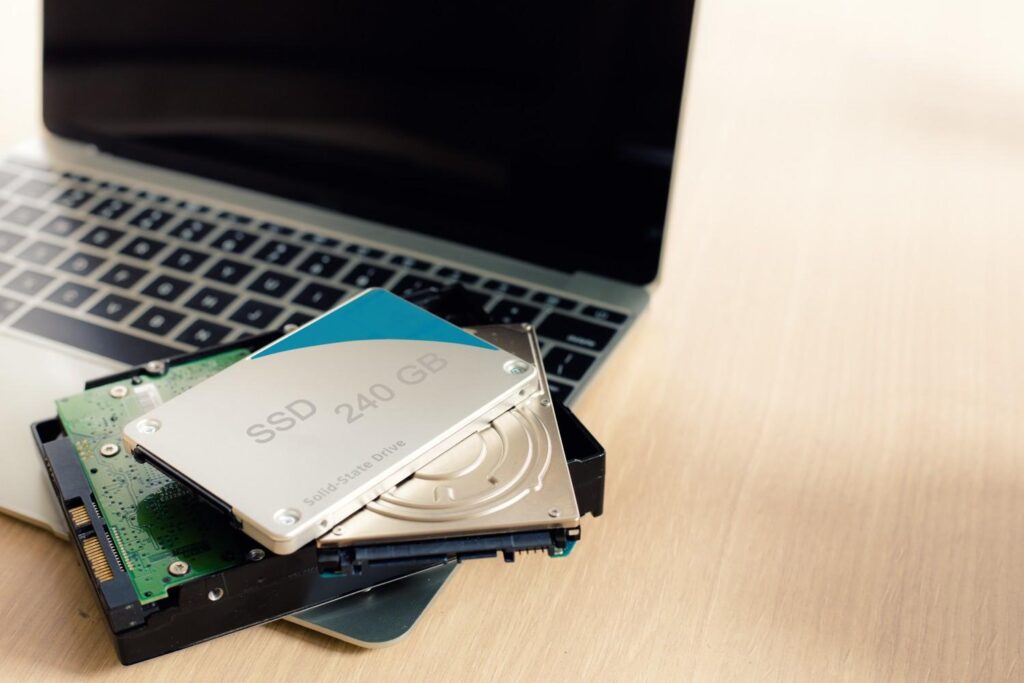
I still remember the first time I swapped out an old hard drive for an SSD — the difference in speed felt magical. In China, that same transformation is happening on a massive scale. The China solid state drive (SSD) market has become one of the most dynamic sectors in the tech industry, powering everything from personal laptops to hyperscale data centers.

Between 2021 and 2027, the market has experienced remarkable growth, reflecting not just rising demand for faster storage, but also China’s broader digital expansion.

What Is the China SSD Market and Why Does It Matter?

The SSD market in China includes the design, production, and sale of solid-state drives used in computers, data centers, and mobile devices. Unlike hard disk drives (HDDs), SSDs rely on NAND flash memory, which delivers faster read/write speeds, greater durability, and reduced energy consumption.

China’s interest in SSDs isn’t just about performance; it’s tied to the country’s massive digital infrastructure push. With initiatives around 5G, artificial intelligence (AI), and smart manufacturing, China needs high-speed, high-reliability storage solutions. According to Mordor Intelligence, the China data center SSD market alone is projected to grow from USD 3.04 billion in 2025 to USD 11.08 billion by 2031 — a staggering trajectory fueled by cloud adoption and AI workloads.

What Is the China SSD Market and Why Does It Matter

Market Size and Forecast Through 2027

Recent analyses paint a clear picture of strong and steady growth. Verified Market Research estimates the China SSD market size at USD 3.9 billion in 2024, likely reaching USD 9.2 billion by 2032 — a CAGR of about 11.3%. Other sources, such as AllPCB, predict the overall SSD industry could reach CNY 311 billion (around USD 43–45 billion) by 2027.

These figures highlight one undeniable fact: SSDs are replacing traditional drives faster than ever, driven by a combination of falling NAND prices, consumer expectations for speed, and enterprise-level demand for reliability.

What’s Driving China’s SSD Market Growth?

What’s Driving China’s SSD Market Growth

Expanding Cloud and Data Center Infrastructure

China’s cloud computing boom is a major catalyst. National projects like the “East Data, West Compute” initiative promote the development of massive data centers, many of which are switching to all-flash storage for efficiency and performance. By 2024, hyperscale providers accounted for more than 70% of China’s data-center SSD demand.

Rising Demand in Consumer Electronics

The consumer side of the market is equally vibrant. As laptops, gaming PCs, and mobile devices increasingly adopt SSDs as standard, Chinese brands such as Lenovo, Huawei, and Xiaomi are integrating high-performance NVMe drives across product lines.

Advancements in NAND and Interface Technologies

Breakthroughs in PCIe Gen 4 and Gen 5, along with higher-layer 3D NAND and QLC (quad-level cell) technology, are bringing down costs and increasing capacity. PCIe Gen 4 already dominates China’s data-center segment, while Gen 5 is set to define the next wave of upgrades.

Support for Local Manufacturing and Innovation

Government policies promoting semiconductor self-reliance are accelerating local SSD production. Domestic brands are scaling up to reduce dependency on imports, which will reshape competition over the next decade.

Market Challenges and Restraints

Despite its momentum, the market faces a few headwinds. The volatility of NAND flash prices can strain profit margins for SSD manufacturers. Additionally, geopolitical tensions and export restrictions impact the flow of semiconductor technology into China.

At the same time, enterprise SSDs must meet strict endurance and reliability standards, which requires significant R&D investment. Finally, HDDs continue to dominate ultra-high-capacity archival storage, though their share is shrinking.

Competitive Landscape: Who Leads the Market?

The market remains dominated by established giants such as Samsung, SanDisk (Western Digital), Intel, Toshiba (Kioxia), and Micron. These global brands bring decades of expertise and advanced R&D capabilities.

However, domestic players are catching up fast. Reports show Chinese SSD manufacturers have climbed into the top five global rankings by volume. The combined market share of the top five SSD producers increased from roughly 59% in 2022 to 72% in 2023, according to Tom’s Hardware.

This surge of local innovation is reshaping the global competitive balance, making China not just a major consumer but also a powerful producer in the SSD ecosystem.

Future Trends to Watch in the China SSD Market

Future Trends to Watch in the China SSD Market

Rapid Adoption of QLC and Higher-Layer NAND

As NAND manufacturers push toward 200-plus layers, QLC SSDs are becoming more affordable and efficient. Mordor Intelligence projects QLC to grow at a CAGR of 24.7% in China’s data-center segment, further reducing storage costs.

PCIe Gen 5 and Emerging Interfaces

The rollout of PCIe Gen 5 will redefine speed benchmarks for enterprise and gaming applications, while form factors like EDSFF (Enterprise and Data Center SSD Form Factor) will improve thermal performance and density.

Strengthening Domestic Supply Chains

China’s semiconductor policy emphasizes reducing dependency on imported components. Domestic firms are investing in NAND fabrication and controller design, which will create a more resilient local ecosystem.

Integration with AI, Edge Computing, and 5G

As AI, 5G, and edge computing converge, SSDs will become essential in smaller, faster systems closer to data sources — from autonomous vehicles to industrial IoT nodes.

Frequently Asked Questions

1. What is the projected size of China’s SSD market by 2027?

Industry estimates place the total value around CNY 311 billion (approximately USD 44 billion) by 2027, reflecting a double-digit CAGR as SSDs continue to replace HDDs in nearly every segment.

2. Which companies dominate the SSD market in China?

Major international players — Samsung, SanDisk/WDC, Intel, Micron, and Toshiba (Kioxia) — lead in technology and production scale. However, Chinese SSD brands are rapidly growing, particularly in consumer and OEM markets.

3. What’s the main factor driving SSD growth in China?

The biggest driver is data demand. The expansion of cloud computing, AI, gaming, and mobile applications has skyrocketed the need for high-speed, reliable, energy-efficient storage.

4. What is the expected CAGR for the China SSD market?

Growth rates vary by segment, but analysts forecast a CAGR between 11% and 26% depending on whether consumer or enterprise SSDs are measured.

Final Thoughts: A Market Poised for Leadership

The China solid state drive (SSD) market is more than just a hardware story — it’s a reflection of how rapidly China’s digital economy is advancing. From government-backed semiconductor initiatives to record-breaking data-center construction, every element points to sustained expansion.

Global brands like Samsung and Micron will continue to set benchmarks for innovation, but China’s emerging SSD manufacturers are no longer far behind. Their growing expertise and cost advantages are reshaping the global landscape, making China not only the largest SSD market in Asia but also a major hub for future storage technology.

For investors, manufacturers, and tech professionals, the message is clear: China’s SSD market will define much of the world’s next phase of digital storage evolution — fast, competitive, and relentlessly innovative.

Jenna Clarke

Jenna explores how technology transforms business, productivity, and modern living. With a passion for digital transformation and innovation, she covers everything from AI tools to emerging trends. Her work empowers professionals to adopt forward-thinking strategies and thrive in the digital economy.

More From Author

robotic welding market

Robotic Welding Market: Growth, Trends, and Future Outlook

global e-bike motors market

The Global E-Bike Motors Market and Why I Can’t Stop Talking About It

My Take on the Electric Bike Market: The 2021 Boom That Changed Everything

I still remember the first time I rode an electric bike—it felt like cheating the system. The rush of speed, no sweat, no gas, and a quiet hum of power beneath me. That moment made me realize why the electric bike market exploded the way it did in 2021. People like me were craving independence from crowded buses and cars, and e-bikes gave us exactly that.

The world had just started recovering from lockdowns, and cities were buzzing again. But this time, commuters wanted smarter, greener, and cleaner ways to move. And just like that, the e-bike revolution wasn’t just a trend—it was a movement.

What Made the Electric Bike Market Take Off in 2021?

What Made the Electric Bike Market Take Off in 2021?

If I had to sum it up in one word: necessity. The 2021 electric bike market thrived because people were rethinking how they travel. Gas prices were climbing, traffic was soul-crushing, and public transport felt risky.

Governments across the globe sweetened the deal with incentives—rebates, tax benefits, and city-level grants encouraging people to go electric. On top of that, e-bike tech got smarter.

Lithium-ion batteries became cheaper, lighter, and more efficient. Many bikes integrated IoT systems, GPS tracking, and app connectivity—features that made even the skeptics pay attention.

Riding an e-bike no longer felt like a compromise. It felt like a lifestyle upgrade.

Which Regions Dominated the Electric Bike Market?

Which Regions Dominated the Electric Bike Market?

Asia-Pacific didn’t just lead the race—it owned the track. Countries like China and Taiwan became e-bike powerhouses, producing and exporting millions of bikes each year.

In 2021, China alone held the largest market share globally, thanks to its massive domestic demand and manufacturing capability. It wasn’t just about affordability; it was about innovation. Brands like Yadea and AIMA weren’t waiting for Western approval—they were setting global trends.

Meanwhile, Europe and North America started catching up, driven by eco-conscious commuters and city-friendly infrastructure. In countries like Germany and the Netherlands, e-bikes turned into the default choice for urban mobility.

Here’s a quick comparison of regional dominance in 2021:

Region Market Highlights (2021) Key Notes
Asia-Pacific Largest global share Dominated by China & Taiwan
Europe Strong growth, eco policies Popular in Germany, Netherlands
North America Rapid adoption in cities Driven by personal mobility demand

Who Were the Key Players in the Electric Bike Market?

Who Were the Key Players in the Electric Bike Market?

When I started following the electric bike market, I noticed a clear pattern—Asian manufacturers were everywhere. Companies like Yadea and AIMA were the big dogs, holding significant market shares thanks to their vast product range and production power.

Then there were the challengers—Sunra, Incalcu, Lima, BYVIN, and Lvyuan—each carving out their own identity in Asia-Pacific’s fiercely competitive landscape. These companies didn’t just manufacture; they innovated for scale, affordability, and style.

It’s also worth noting that established international brands like Yamaha and Giant kept their premium audience hooked. But volume-wise? The Chinese brands ruled.

Their business strategy revolved around:

  • Expanding export markets beyond Asia
  • Adopting IoT for performance tracking and user engagement
  • Offering a broad range—from budget commuters to high-end urban cruisers

What Challenges Did the Electric Bike Market Face?

No booming industry comes without hurdles. For all the excitement around e-bikes, 2021 brought its fair share of bumps in the road.

The biggest? Lithium dependency. Most e-bike makers relied heavily on imported lithium cells and motors, leaving them exposed to global price swings. Whenever supply tightened, production costs spiked—and smaller brands struggled to keep prices steady.

Another issue was regulation—or the lack of it. Different regions had different rules on speed limits, classifications, and battery safety. A model that sold easily in China might not meet European compliance. That slowed global expansion for some players.

Yet despite these challenges, demand didn’t slow down. In fact, it made the market more resilient and innovation-driven.

How Did Technology Shape the Electric Bike Market?

If 2020 was the year of survival, 2021 was the year of smart innovation. The electric bike market became a showcase for battery breakthroughs, app integration, and lightweight design.

Manufacturers invested heavily in lithium-ion technology, allowing bikes to travel longer distances on a single charge. IoT-enabled models let users track routes, monitor battery health, and even lock their bikes remotely.

I still geek out over how far we’ve come—from clunky lead-acid batteries to sleek, removable lithium packs that charge faster than most phones. Add regenerative braking and power-assist customization, and you’ve got machines built for the modern city explorer.

How Can You Choose the Right Electric Bike?

This is where things get personal. Picking an e-bike isn’t just about specs—it’s about your lifestyle. When I bought mine, I had to balance range, comfort, and cost.

Here’s a simple framework that helped me:

Need What to Look For
Daily commutes Lightweight frames, 50–70 km range
Adventure rides Fat tires, powerful motor (500W+)
Eco commuting Compact design, swappable battery
Smart tech App integration, GPS, anti-theft lock

Think about your daily routine. If you’re zipping through city streets, a lightweight foldable model may be perfect. If you crave weekend rides, go for power and suspension. Always check local e-bike regulations before buying—especially for speed limits.

FAQs About the Electric Bike Market

1. Why did the electric bike market grow so fast in 2021?

It grew because people needed safe, affordable, and eco-friendly transportation after the pandemic. With governments supporting electric mobility and battery prices dropping, e-bikes became both practical and trendy.

2. Which company leads the electric bike market globally?

As of 2021, Yadea and AIMA topped the charts. Both are Chinese giants with massive production capacity and a strong international presence.

3. Are electric bikes expensive to maintain?

Not at all. Compared to cars or motorbikes, maintenance is minimal—just keep the battery healthy, check tires, and service the motor periodically. Most costs revolve around charging, which is very affordable.

4. What’s the future of the electric bike market?

It looks bright. With sustainability becoming a priority and cities adapting to e-mobility, we can expect more innovation, longer battery lives, and smarter tech integration in the years ahead.

Final Pedal Stroke: Why the Electric Bike Market Inspires Me

Every time I see someone zoom by on an e-bike, I smile a little. The electric bike market isn’t just about machines—it’s about momentum. It represents our collective shift toward smarter living, greener choices, and freedom of movement.

If you’ve ever felt stuck in traffic or frustrated by gas bills, maybe it’s your turn to join the ride. Take it from someone who’s been there—the electric bike doesn’t just move you forward; it changes how you move through life.

Jenna Clarke

Jenna explores how technology transforms business, productivity, and modern living. With a passion for digital transformation and innovation, she covers everything from AI tools to emerging trends. Her work empowers professionals to adopt forward-thinking strategies and thrive in the digital economy.

More From Author

Solar Electric Power Generation Market

Solar Electric Power Generation Market: Trends, Size, Share, and Outlook to 2028

Manufactured Housing Market Size, Growth Opportunities, and Forecast

Manufactured Housing Market: Size, Growth Opportunities, and Forecast