In the modern business landscape, the safety of a commercial building is no longer just a matter of basic locks and manual alarms. As technologies evolve, commercial spaces are transforming into high-performing, future-ready environments that prioritize the well-being of occupants and the protection of physical and digital assets.
Implementing smart safety systems is a proactive strategy that not only prevents accidents but also enhances operational efficiency and preserves long-term property value.
Integrated Security and Access Control
The foundation of a secure modern building is a robust, integrated security system that goes beyond simple surveillance. Modern installations utilize smart technology to create a seamless security web.
- Advanced Surveillance: Today’s systems incorporate 24/7 surveillance cameras with remote monitoring capabilities, allowing property managers to view high-definition footage from any location in real-time. Motion sensors can be integrated to trigger instant alerts, ensuring immediate awareness of any unusual activity.
- Smart Access Control: Traditional keys are being replaced by high-security options such as biometric scanners, PIN codes, or keycard access systems. One of the most significant innovations is the adoption of Bluetooth door locks, which allow employees to access secure areas using their smartphones, providing a contactless and highly trackable entry method.
- Perimeter Protection: Strategic fencing and barriers, combined with motion-activated lighting, serve as the first line of defense. Well-lit parking lots and entrances significantly deter criminal activity by eliminating hiding spots.
Durable materials also matter in physical security planning, and the galvanized steel wire consumption market can give property owners more insight into fencing, barriers, and long-term infrastructure demand.
Intelligent Fire Prevention and Response
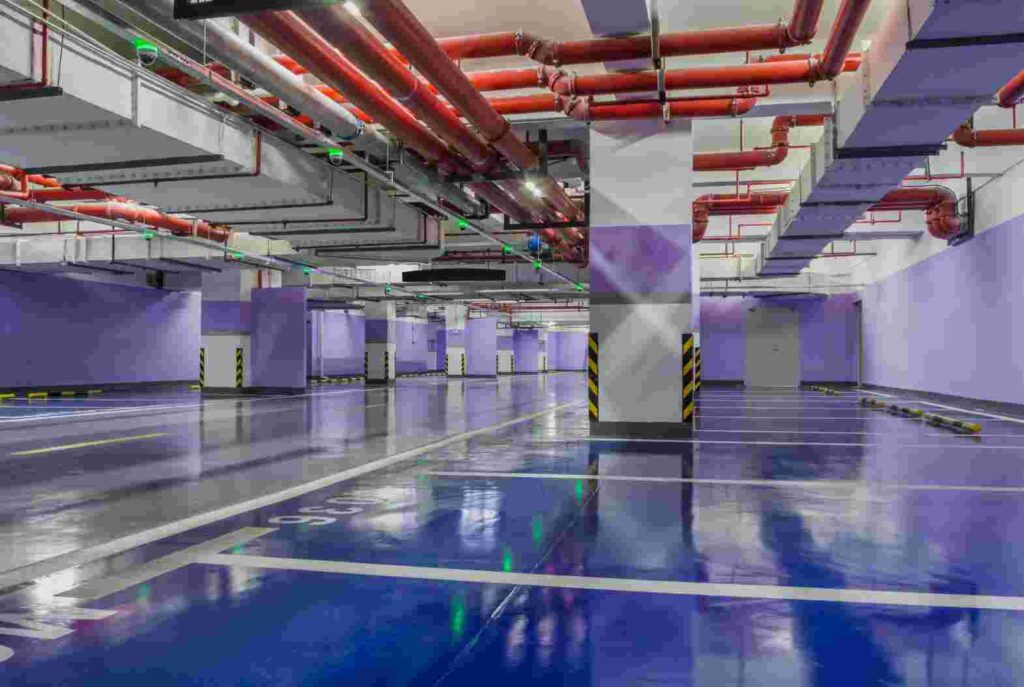
Fire safety is a critical concern, and smart systems offer a much higher level of protection than traditional methods. Automated fire alarms and sprinkler systems are now standard, but smart sensors can detect subtle changes in heat or smoke before a fire fully erupts.
A fully equipped modern building ensures that all safety equipment, from smoke detectors to fire extinguishers, is regularly inspected and tested to meet local codes.
Furthermore, emergency lighting systems have become essential. In the event of a power outage or emergency, backup lighting guides occupants safely to clearly marked exits, preventing injury and reducing panic during evacuations.
Environmental Health and Smart HVAC
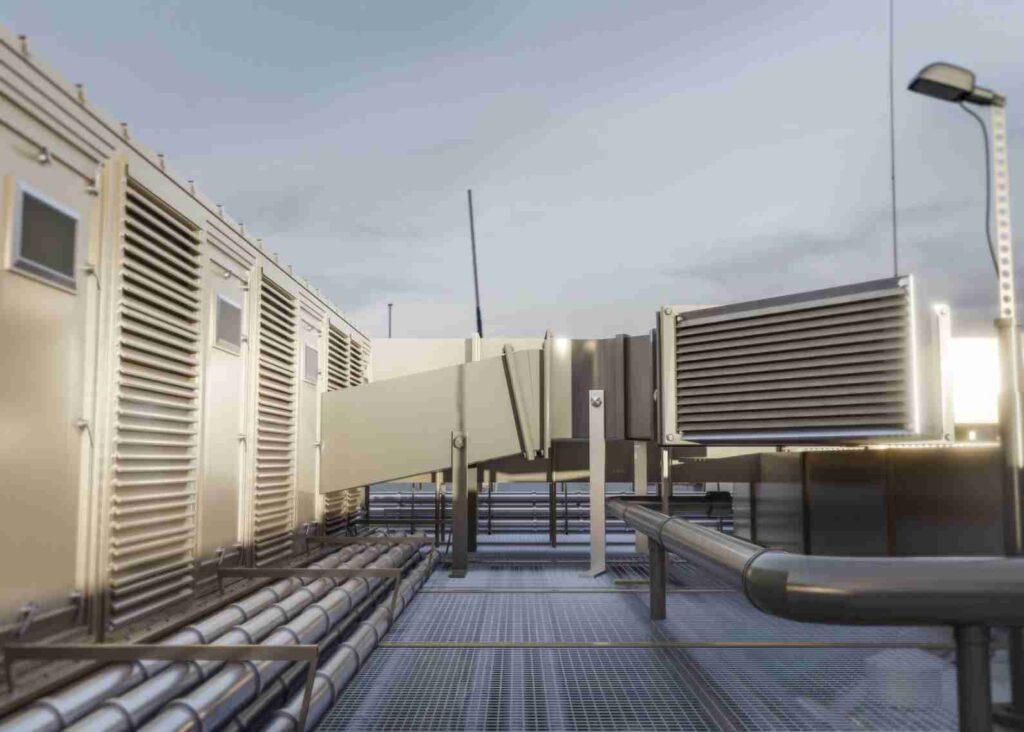
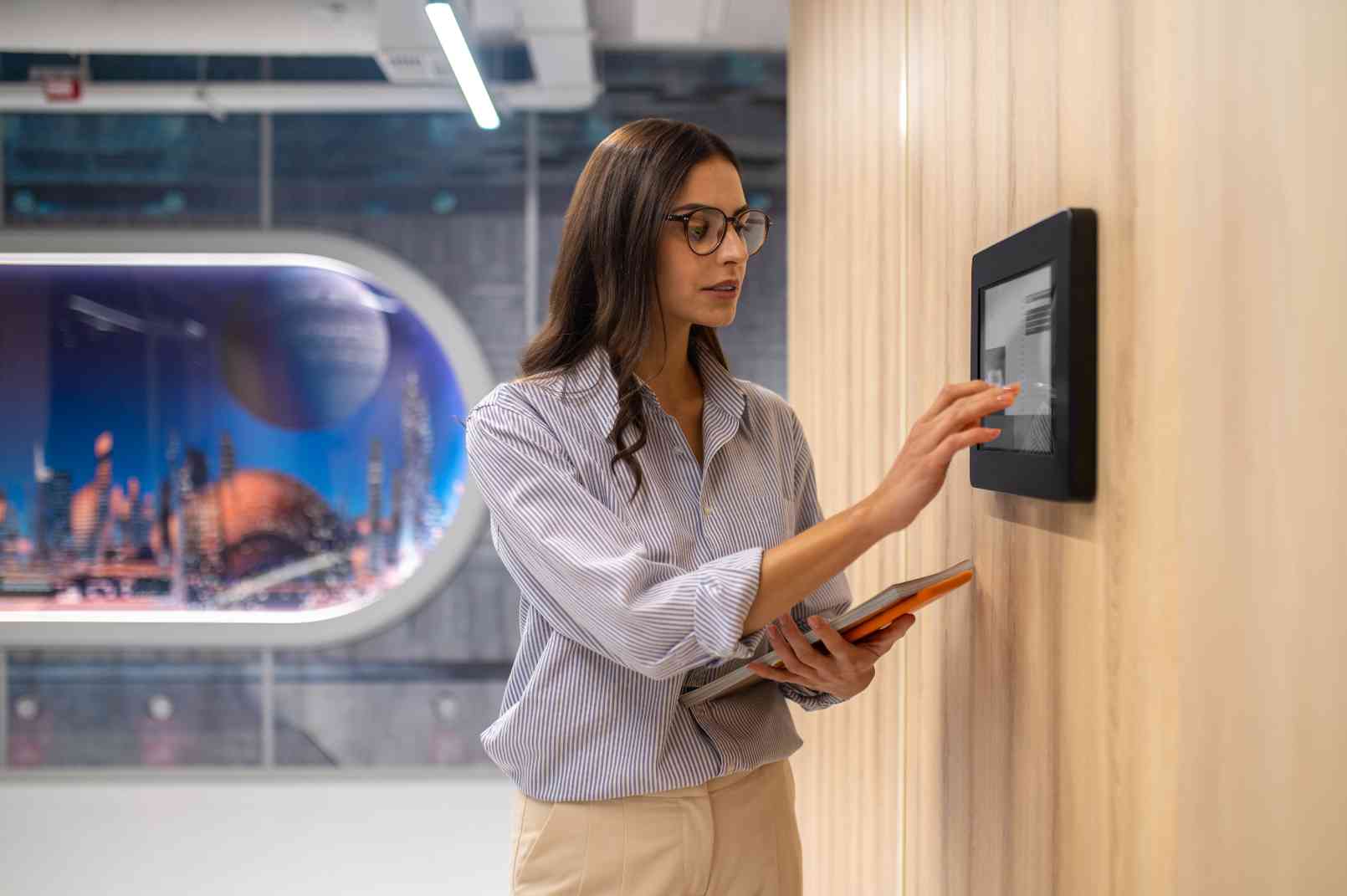
The definition of “safety” in modern commercial spaces has expanded to include the health of the indoor environment. Advanced HVAC systems are now equipped with IoT-enabled sensors that monitor indoor air quality and eliminate harmful particles.
Smart thermostats and building management software allow for precise climate control, which prevents the growth of mold by managing humidity.
These systems can also automatically adjust lighting and temperature based on occupancy, reducing energy waste while ensuring employee comfort and health. By focusing on indoor environmental quality, businesses create a clean and safe environment that fosters productivity.
Guest-focused commercial properties can also learn from the five-star hotel market, where safety, air quality, comfort, and smart building systems directly influence customer trust and long-term property value.
Proactive Maintenance and Strategic Management
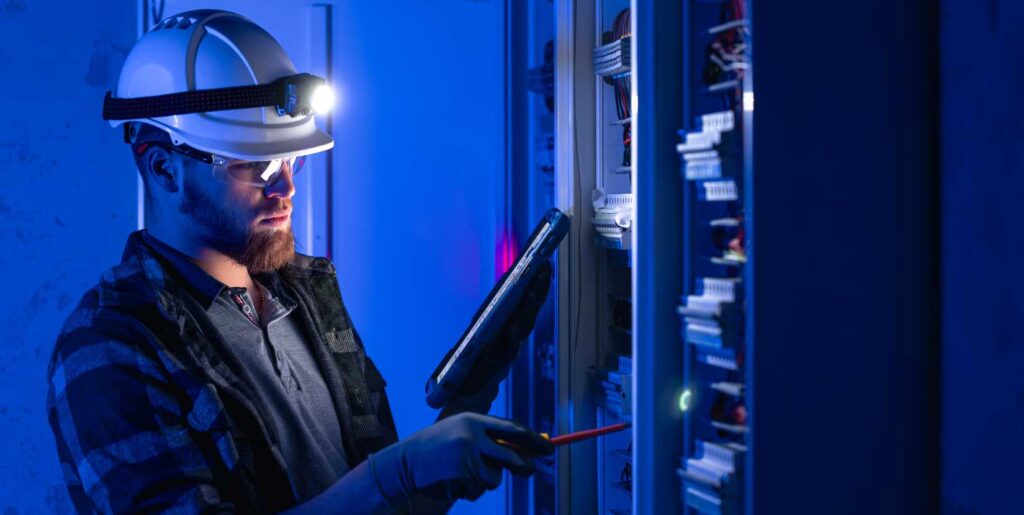
Smart safety is as much about maintenance as it is about technology. Neglecting routine upkeep can lead to structural failures, electrical hazards, or slip-and-fall accidents.
Modern building managers utilize digital maintenance logs and building management software to track the performance of critical systems, such as elevators and electrical panels, identifying minor issues before they become expensive emergencies.
For property owners, partnering with professional office building management services in Salt Lake City provides access to specialized teams that understand local safety regulations and the specific operational demands of the region.
These professional services ensure that all inspections—from fire suppression to structural integrity—are conducted on time, protecting owners from liability and ensuring a secure environment for all occupants.
In Conclusion
Future-proofing a commercial building requires a comprehensive approach that integrates physical security, fire safety, and environmental health.
By embracing innovations like touchless technology, smart surveillance, and automated HVAC systems, property owners can create resilient spaces that attract high-quality tenants and protect their long-term investment.
Investing in these proactive safety measures today ensures a secure, efficient, and welcoming environment for years to come.