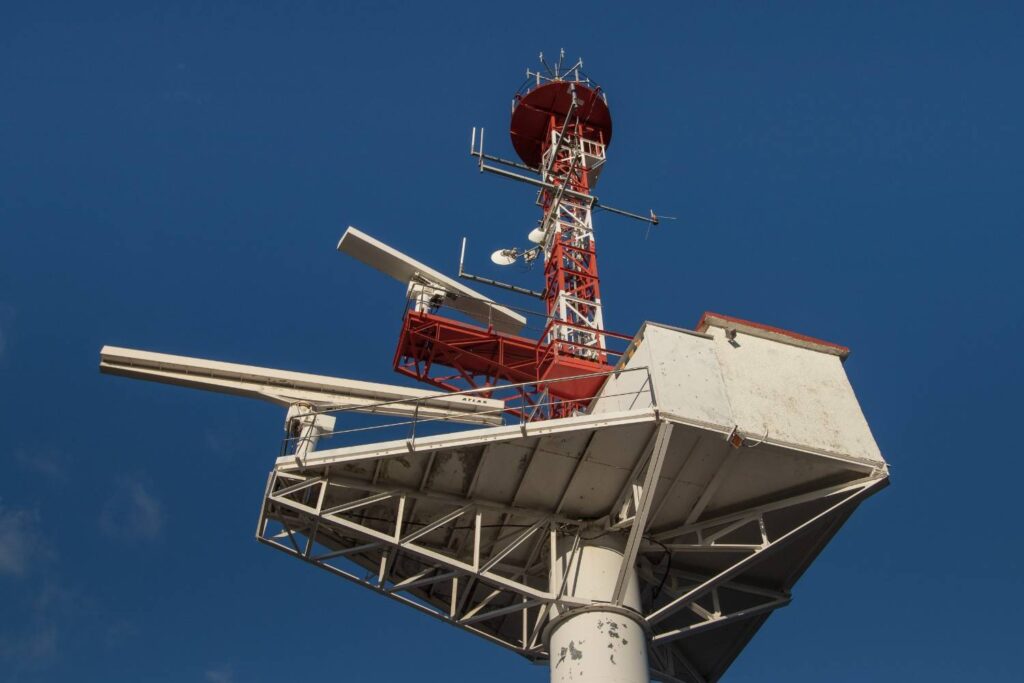
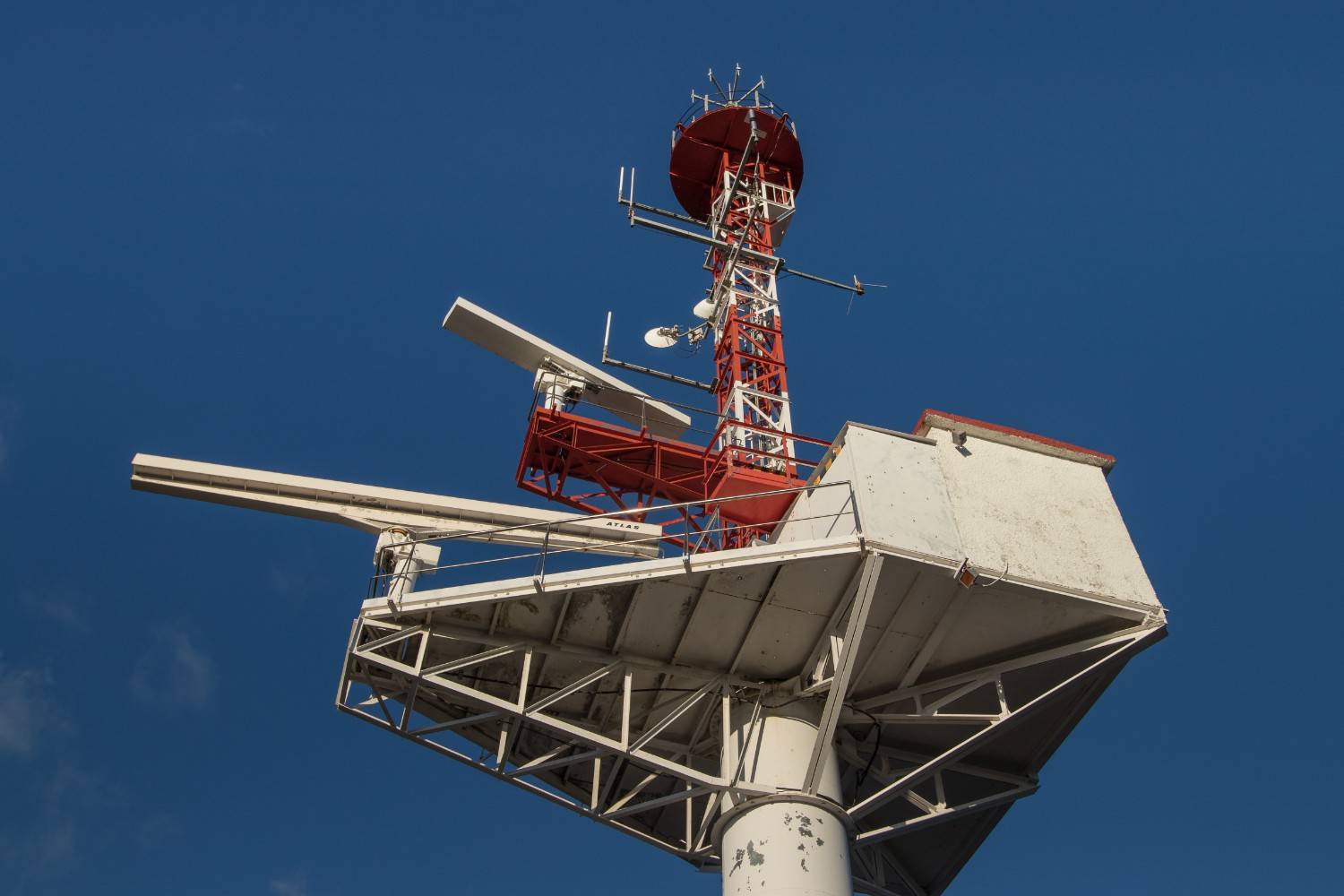
In the modern landscape, telecommunications infrastructure has become as crucial as roads and electricity. At the heart of this intricate web are telecommunications towers, which form the backbone that connects rural areas with bustling cities and links businesses with their clients, irrespective of their geographical locations.
The Advent of Telecommunications Towers
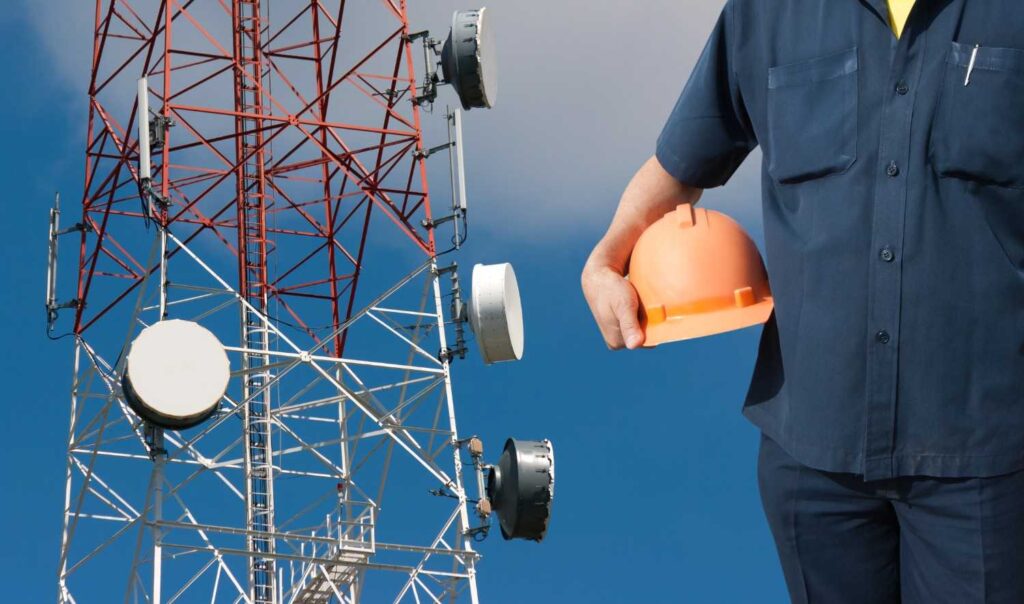
Since the advent of the telephone, there has been a continual evolution in the means by which we connect. Today, telecommunications towers, also known as masts or antennae towers, are vital structural components that support antennae and other communication equipment. They facilitate a plethora of services including mobile telephony, broadcasting, and broadband connectivity.
The Multifaceted Aspects of Telecommunications Towers
Modern infrastructure relies on a complex network of these towers to ensure the clear transmission of signals over vast distances. Multiplied across regions, the collective strength of these towers ensures a seamless flow of communication, critical for both personal and commercial engagements. Functionality, coverage, and reliability are the core aspects where these towers play a pivotal role.
Structural Design and Location
The geographical placement and structural design are integral to the functionality of the telecommunications tower. Height and strength enable it to withstand adverse weather conditions, while location ensures optimal signal distribution. These strategic sites are chosen following extensive research to cover gaps in network coverage and offer a dependable communications link.
Enhancing Network Coverage
Every telecommunications tower erected brings with it the promise of wider network coverage and reinforced signal strength. Regardless of the topography, towers are designed to extend the reach of the network, bringing individuals and enterprises closer than ever before in instantaneous communication.
The Economic Impact of Telecommunications Infrastructure
The provision of robust telecommunications infrastructure, including towers, has a significant economic impact. With enhanced connectivity, businesses can operate more efficiently, tap into new markets, and employ remote working options – all contributing to economic development and progress.
Tech Advancements and Future Prospects
As technology evolves, so too do telecommunications towers. With the advent of 5G and the Internet of Things (IoT), the demand for higher-capacity towers is on the rise. The expansion of smart cities, automation, and advanced manufacturing sectors — including growth in the robotic welding market — further increases the demand for reliable, high-speed connectivity.
Industrial robotics, AI-driven systems, and cloud-based platforms rely heavily on stable network infrastructure, making telecommunications towers central to supporting these next-generation industries.
The future of these structures is geared towards accommodating an ever-growing array of devices and increasingly data-intensive applications.
Eco-Conscious Towers
As the world becomes more environmentally conscious, so does the approach towards building and maintaining telecommunications infrastructure. Towers are now designed with the environment in mind, with solutions being innovated to minimise their ecological footprint and harmonise with their surroundings.
The Technological Pivot
The transformative role that telecommunications towers play in the technological pivot of modern infrastructure is undeniable. They are the physical representation of our societal shift towards an interconnected digital realm where staying connected is not just ideal – it’s imperative.
Safety and Regulation
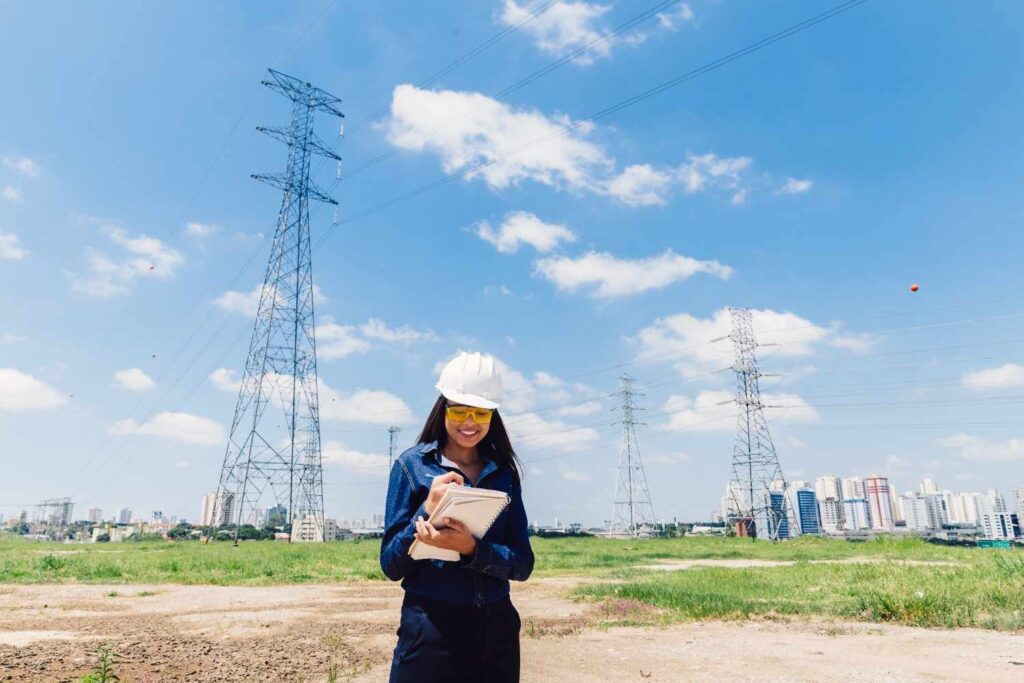
The construction and operation of telecommunications towers are heavily regulated to safeguard public health and safety. Technical specifications, routine inspections, and maintenance are part of a rigorous framework ensuring these structures can perform their critical function without causing harm.
Community Integration
Despite the technical nature of telecommunications towers, their integration into communities is carefully managed. Through public consultations and planning permissions, tower developers work to ensure they are an accepted and beneficial part of the local infrastructure landscape.
Overcoming Challenges
One of the challenges in the expansion of telecommunications tower networks involves the balance between technology and aesthetics. Tower designers use camouflage and other techniques to blend these structures within their environments, thereby addressing community concerns and safeguarding visual landscapes.
Network Redundancy and Reliability
Network redundancy is another element in which telecommunications towers make a fundamental difference. By ensuring there are overlapping ranges of coverage, service providers offer reliability, maintaining connectivity even if one tower experiences issues.
Supporting Emergency Services
Telecommunications towers are integral in supporting emergency and public safety communications. They provide the robust network necessary for first responders and disaster management teams to coordinate effectively during crises.
The Way Forward with Telecommunications Towers
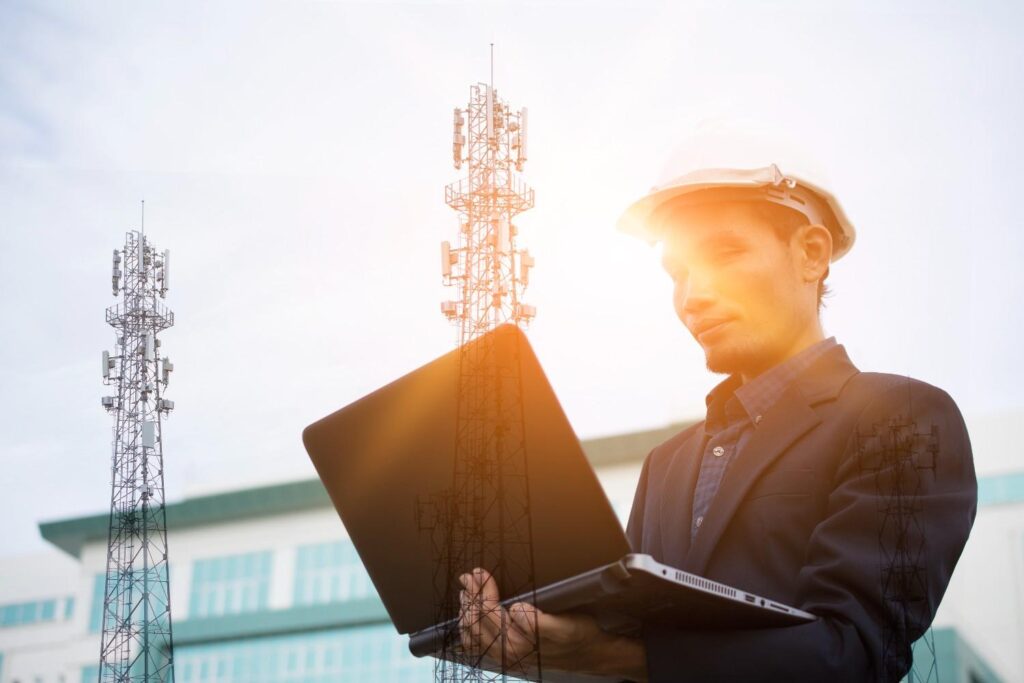
Looking forward, telecommunications towers will continue to evolve and expand, supporting the wave of innovation that sweeps the digital communications landscape. With challenges like network saturation and the need for more sustainable practices, the industry is driven to find forward-thinking solutions.
A Connected Future
In conclusion, telecommunications towers are much more than metal structures; they are the pillars of our digitised society — a society in which every text, call, and byte of data is channelled along a network that emanates from these towering sentinels. Ensuring the continuation and advancement of these networks is foundational to meeting the demands of a rapidly advancing digital world and essential for maintaining the global connectivity that defines today’s society.
By scrutinising and understanding the role of the telecommunications tower in modern infrastructure, we can appreciate not only its current importance but also its potential to support future technologies and innovations that will continue to elevate connections worldwide.