The global athletic landscape is experiencing a massive shift. A sport that once occupied the fringes of recreational calendars has rapidly ascended to become a mainstream cultural phenomenon.
Courts are replacing empty parking lots, tennis facilities are adapting to accommodate new lines, and communities are investing heavily in dedicated infrastructure.
The meteoric rise of pickleball is not an accidental trend or a passing fad. It is the result of a unique combination of design, accessibility, and community dynamics. Here are ten distinct reasons why this sport is officially taking over the athletic world.
1. Minimal Learning Curve for Beginners
Unlike sports like golf or tennis, which require months of dedicated lessons just to achieve basic consistency, pickleball offers immediate gratification.
The mechanics of the underhand serve and the solid paddle face mean that raw beginners can enjoy competitive rallies during their very first hour on the court. The entry barrier is exceptionally low, allowing newcomers to focus on strategic fun rather than mechanical frustration.
2. Extreme Spatial Accessibility
A standard court occupies less than a third of the footprint of a traditional tennis court. This compact size allows municipalities, fitness clubs, and private homeowners to maximize their available real estate. Four distinct pickleball matches can easily take place within the space traditionally allocated to a single tennis match.
This spatial efficiency has accelerated court construction worldwide, placing playing surfaces within walking distance for millions of urban and suburban residents.
3. Reduced Physical Strain on the Body
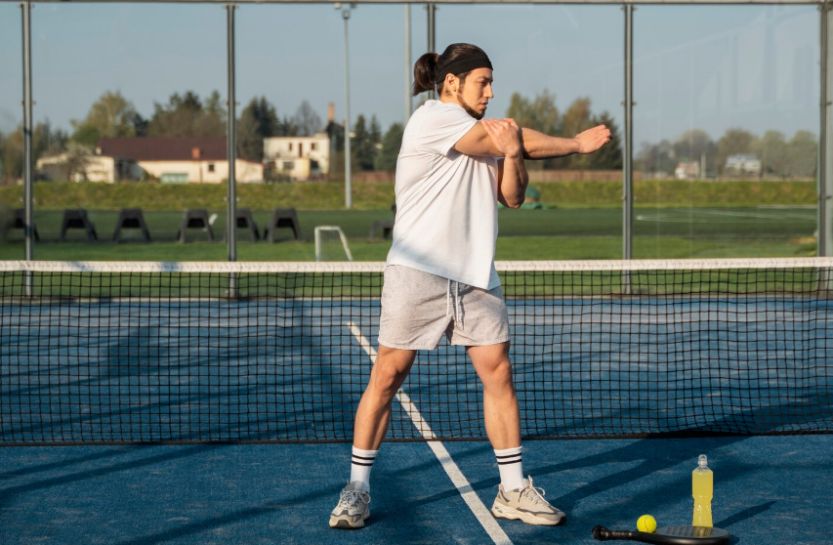
The smaller court dimensions significantly decrease the amount of running required to cover the playing area. Additionally, the underhand serve eliminates the high-impact overhead motions that frequently cause shoulder injuries in other racket sports.
The lightweight plastic ball and composite paddles also minimize vibration, making the game far gentler on the elbows, wrists, and knees. This low-impact nature ensures that players can sustain multi-hour sessions without experiencing debilitating physical fatigue the following day.
4. Multigenerational Appeal and Inclusivity
It is rare to find an athletic activity where grandparents, parents, and grandchildren can compete together on an equal playing field. Because success relies heavily on touch, positioning, and patience rather than raw athletic power, age differences matter very little.
Young children can utilize their quick reflexes, while older participants can leverage tactical placement. This unique dynamic has created a rare environment where diverse generations naturally bond through physical activity.
5. High-Density Social Interaction
The physical proximity of the participants fosters constant communication during a match. Players stand only fourteen feet apart across the net, allowing for casual banter, encouragement, and strategic discussions between points.
The traditional drop-in format used at most public parks encourages rotating partners, ensuring that individuals meet dozens of new people during a single afternoon of play. This inherent socialization makes the sport an effective remedy for modern community isolation.
6. Affordable Equipment Requirements
Entering a new sport often requires a substantial financial commitment for specialized attire, club memberships, and high-tech gear. Pickleball requires very little upfront capital. A beginner can acquire a durable composite paddle and a set of outdoor balls for a very modest fee.
This affordability is one reason pickleball appeals to people who want rewarding hobbies without major spending. Just as some people carefully choose beauty investments that can last for years, new players can make smart, simple gear choices that support long-term enjoyment without overspending.
Because public courts are widely available and often completely free to use, the ongoing operational costs of participating remain negligible for the average household.
7. Strategic Depth and Tactical Nuance
While the game is incredibly simple to learn, it possesses an immense amount of strategic complexity at higher levels of play. The existence of the non-volley zone, commonly called the kitchen, prevents players from simply smashing the ball at their opponents.
Instead, matches frequently transform into chess-like battles of patience, involving soft drop shots known as dinks.
This contrast between explosive volleys and delicate soft play provides endless intellectual engagement for competitive minds.
8. Rapid Growth of Organized Competitions
The transition from casual park play to structured tournament formats has occurred with astonishing speed. Local clubs and regional organizations now host weekly events to satisfy the growing demand for structured competition.
Amateur enthusiasts frequently travel across state lines to test their skills against new opponents, with massive turnout numbers recorded at events ranging from local charity matches to a large-scale Boise pickleball tournament.
These gatherings provide a clear pathway for progression, motivating players to refine their skills and climb local ranking systems.
9. Excellent Cardiovascular Health Benefits
Do not let the smaller court size fool you; a typical match provides an exceptional physical workout. The continuous, rapid rallies require constant lateral movement, core stabilization, and quick bursts of acceleration.
Players regularly track thousands of steps during a single session, maintaining an elevated heart rate that burns significant calories. The engaging nature of the game means that participants achieve their weekly fitness goals without the monotony associated with traditional gym workouts.
10. Seamless Adaptability to Commercial Spaces
The flexibility of the sport has caught the attention of commercial real estate developers and entrepreneurs.
Vacant department stores, old warehouses, and underutilized industrial parks are being converted into indoor facilities featuring climate-controlled courts, restaurants, and viewing lounges.
Facility care also plays a major role in keeping these spaces reliable for players. like the proactive maintenance saves summer vacation by preventing avoidable disruptions, regular court upkeep helps pickleball venues stay safe, clean, and ready for year-round play.
This corporate integration ensures that the sport is no longer dependent on cooperative weather conditions, providing a reliable, year-round environment for enthusiasts to gather and play.